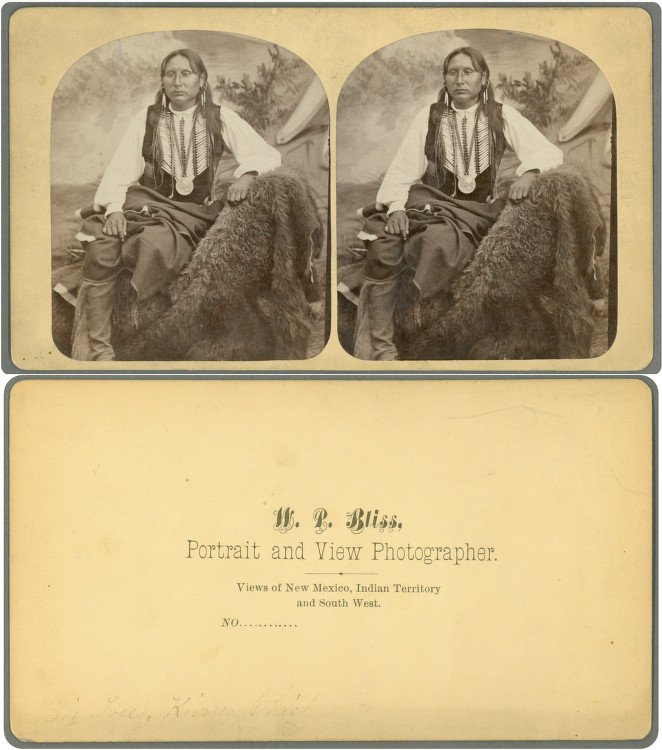
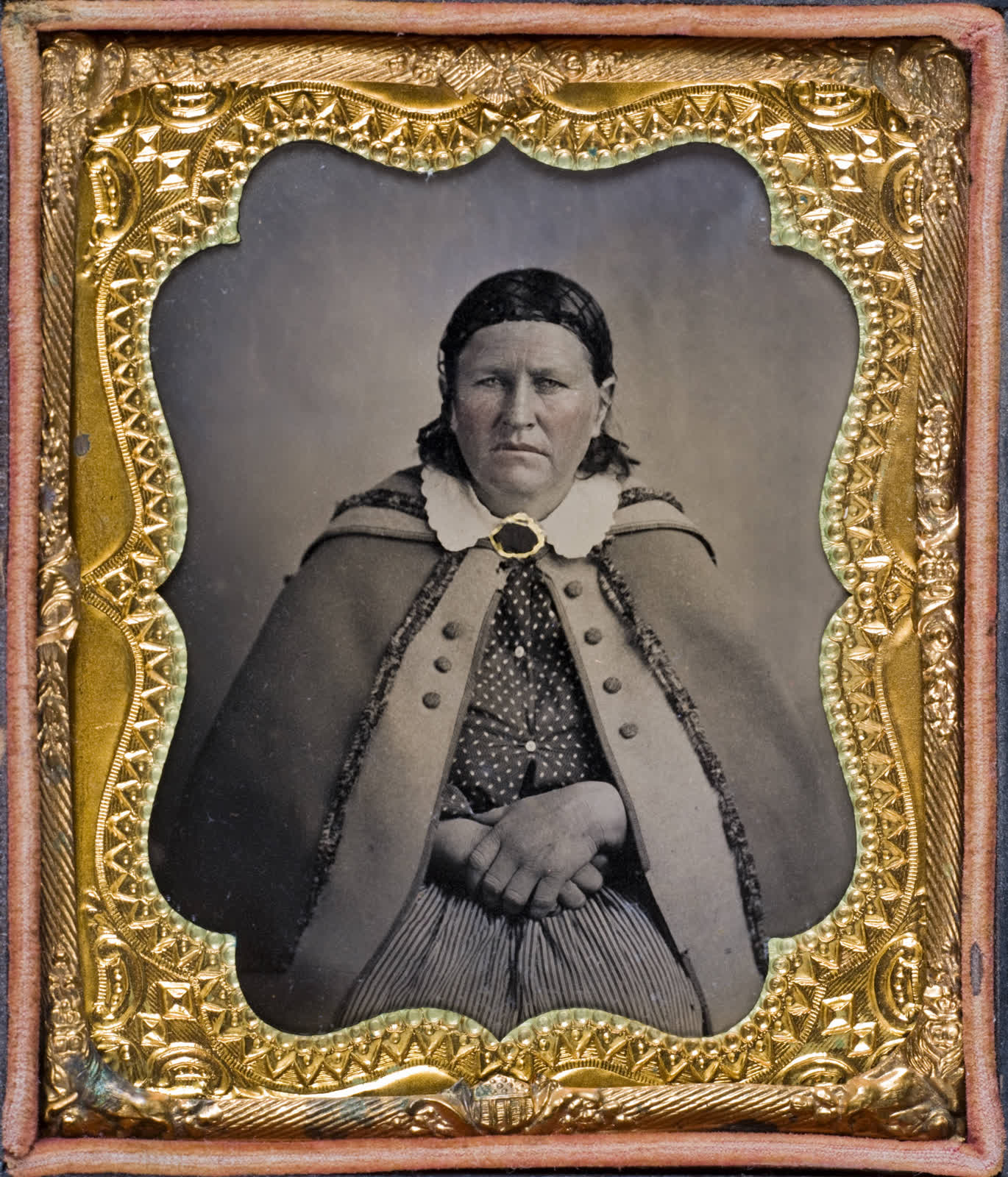
Who was Peta Nocona?
Peta Nocona was the chief of the Nokoni band of the Comanche Nation — the band whose name translates roughly as “Wanderers” or “Returners.” His range covered central and northern Texas. He was an active raid leader through the 1850s and into 1860, and a significant figure in Comanche resistance to Anglo-Texan expansion during the period when the frontier of Anglo settlement was advancing steadily northward into Comanche territory.
His birth date and birthplace are not documented in available Anglo-Texan or federal sources. What is established, through the TSHA Handbook of Texas and cross-referenced secondary sources, is his leadership of the Nokoni band, his marriage to Cynthia Ann Parker, and his fatherhood of Quanah Parker.
What was Peta Nocona’s family?
Peta Nocona married Cynthia Ann Parker — a white woman who had been captured by a Comanche raiding party at age 9 in 1836, at Fort Parker in Limestone County, Texas. By the time of her marriage to Peta Nocona (in the late 1830s or 1840s — the specific date is not documented), she had lived among the Comanche through her entire adolescence, spoke Comanche fluently, and by her own consistent behavior considered herself Comanche. Her Comanche name was “Naduah” or “Nautdah.”
Their marriage produced three children:
- Quanah (born approximately 1845) — who became Quanah Parker, the last great war chief of the Quahadi Comanche
- Pecos (also called Peanut) — died young
- Topsannah (Prairie Flower, a daughter) — died in 1864 in Anglo-Texan custody after her mother’s recapture
For the full account of Cynthia Ann Parker’s capture, life among the Comanche, and forced recapture, see Cynthia Ann Parker. For Quanah Parker’s remarkable life from Comanche war chief to reservation-era leader, see Quanah Parker.
What happened at Pease River?
The defining event in Peta Nocona’s documented history is the Pease River incident of December 18, 1860 — a surprise attack by Texas Rangers under Lawrence Sullivan “Sul” Ross on a Nokoni Comanche camp in the Foard County area. The camp held largely women, children, and elderly; most warriors were away. Cynthia Ann Parker was captured in this attack, identified by her blue eyes after 24 years among the Comanche. Quanah, then approximately 15 years old, escaped.
Whether Peta Nocona was killed in this attack or survived it is a genuinely contested historical question with serious scholarship on both sides:
TSHA Handbook of Texas position: “The preponderance of evidence supports the contention that Peta Nocona was the chief killed at the Pease [River].” The TSHA cites Sul Ross’s Mexican interpreter — who had been enslaved by Nocona as a child and identified the dead chief — and the fact that Cynthia Ann Parker wept over the body and called the man Nocona. No Anglo-Texan or federal record places Peta Nocona alive after December 1860.
Quanah Parker’s account: Quanah, in later life, disputed the Pease River identification, stating that his father survived the incident and died of wound-related illness approximately three or four years later — around 1864. TSHA suggests Quanah’s doubt may reflect Comanche spiritual beliefs about the circumstances of a chief’s death rather than factual certainty. Quanah was approximately 15 at the time of the incident.
Both positions appear in serious scholarship, and neither can be definitively resolved without Comanche Nation primary source consultation (tribal consultation pending). This article presents both accounts with equal weight, as the available evidence requires.
How did the town of Nocona get its name?
The town of Nocona, Texas was established in 1887 by D.C. Jordan on the GH&W Railway line. Jordan named it for Peta Nocona — a choice that has no fully documented explanation in the available record, but is plausibly connected to the Cynthia Ann and Quanah Parker associations that were widely known to Anglo-Texans by the 1880s, the broader post-removal romanticization of Indigenous figures by some Anglo-Texan settlers, and the regional memory of Comanche presence in northern Texas.
The naming is one of the more historically notable facts about Montague County’s geography: the town that became the county’s largest city carries the name of a Comanche chief whose band’s territory included the region, whose wife was forcibly removed from Comanche society in 1860, and whose son became one of the most famous Indigenous leaders in American history. See the Nocona town hub for the town’s full development history.
What does Peta Nocona mean for Montague County history?
Peta Nocona connects Montague County to two of the defining stories of the 19th-century Texas frontier. His marriage to Cynthia Ann Parker — and the violent disruption of that family by the 1860 Pease River attack — produced Quanah Parker, who is among the most consequential Indigenous leaders of his era. The town named for him anchors the Parker-Nocona-Quanah story in MoCo’s permanent place-name geography in a way that no other Texas county replicates.
The Nokoni band’s territory included the Red River country and northern Texas plains that overlap with Montague County’s frontier zone. The broader Comanche presence in this region — the alliances, raid patterns, and territorial negotiations that shaped the county’s settlement history — is covered in the Comanche and Kiowa history spoke.
This article draws on the TSHA Handbook of Texas (“Peta Nocona” entry), the TSHA “Parker, Cynthia Ann” entry, and secondary sources. All claims about Nokoni band leadership, raid patterns, and territorial range derive from Anglo-Texan settler, military, and newspaper records unless otherwise noted. Tribal consultation pending — the Comanche Nation holds authoritative knowledge of Nokoni band history and the contested death-date question not yet incorporated here.
See People Hub for other Montague County biographical entries.