GUIDES

Practical Guides

Written from the county up — not from a search engine down. Every guide covers one topic thoroughly, with hours verified, prices current, and sources named.

Oil & Gas

Civic & Politics

Real Estate

Work & Commute

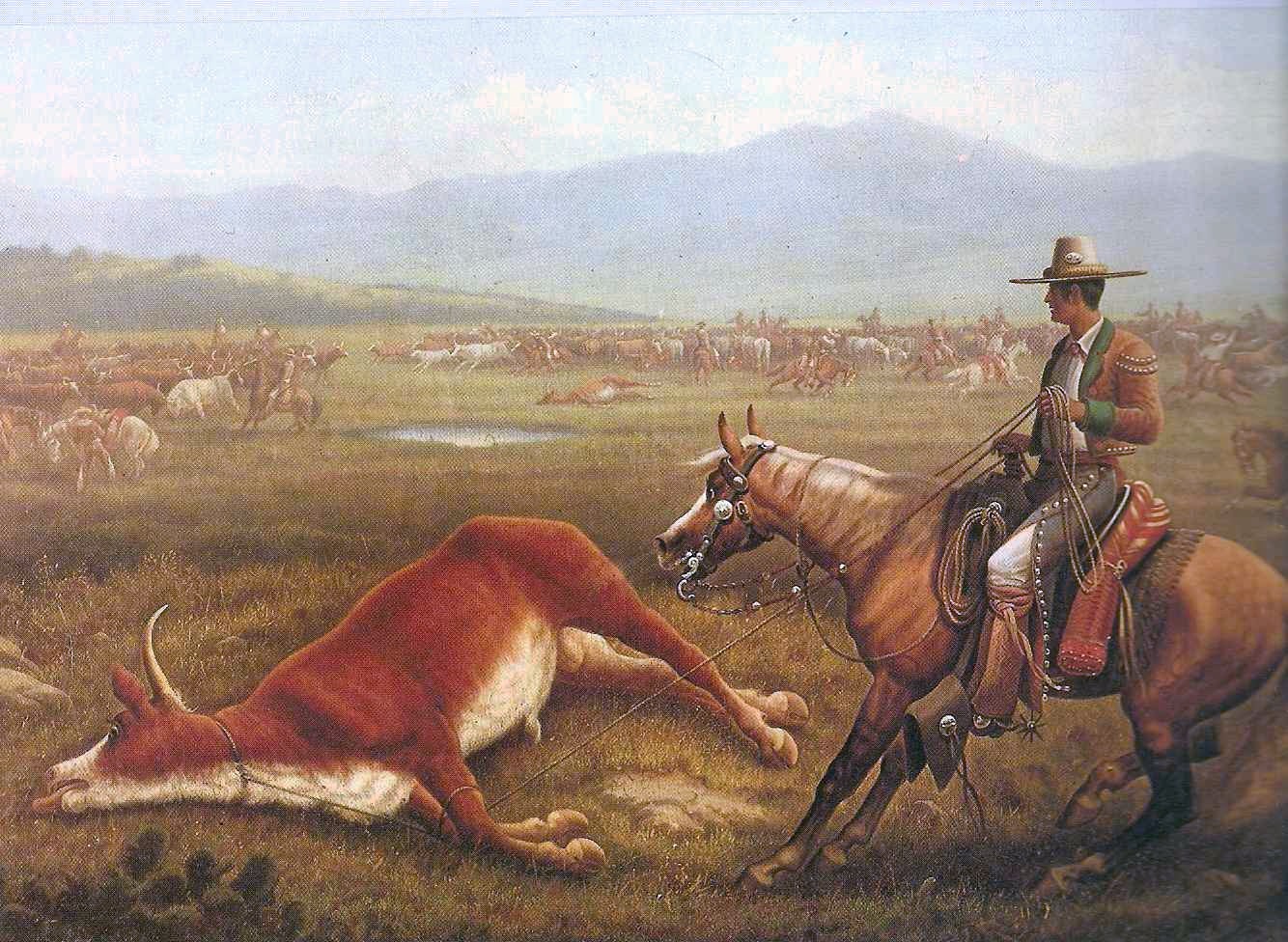
Painting of a Mexican vaquero roping cattle in California, circa 1877, by James Walker — depicting the cattle-working tradition that vaqueros brought to Texas ranching
Guide · 4 min read

Hispanic and Latino Community in Montague County

Montague County's 2,109 Hispanic and Latino residents (10.6% of county population) trace roots through vaquero cattle-drive labor, Bracero Program agriculture, and multi-generational ranch and manufacturing employment. This guide covers current demographics, vaquero vocabulary legacy, and research resources for family history.

Read article →
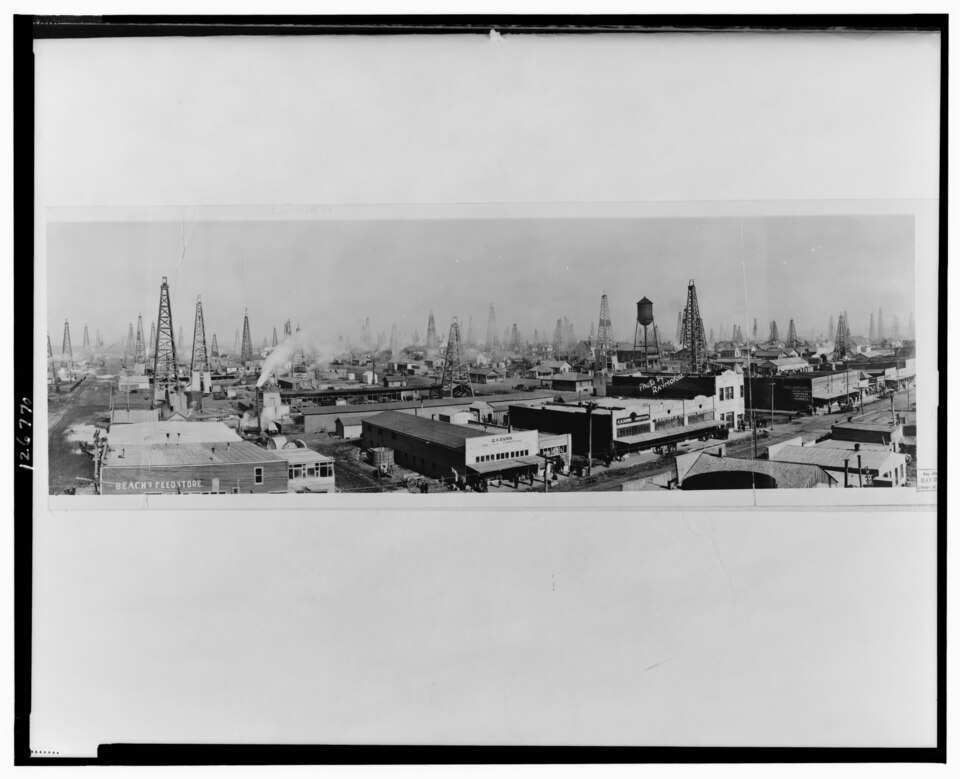
Panoramic view of the Burkburnett, Texas oil field in January 1919, showing dozens of wooden derricks across the North Texas landscape
Energy Economy · 6 min read

Oil and Gas in Montague County Today

Montague County's oil and gas sector is mature, declining, and persistent. Conventional stripper wells and KMA Field legacy operations produce roughly 91,000 barrels of crude oil per month — a fraction of the 1940s peak, but still relevant to landowner royalties and county tax revenue.

Read article →
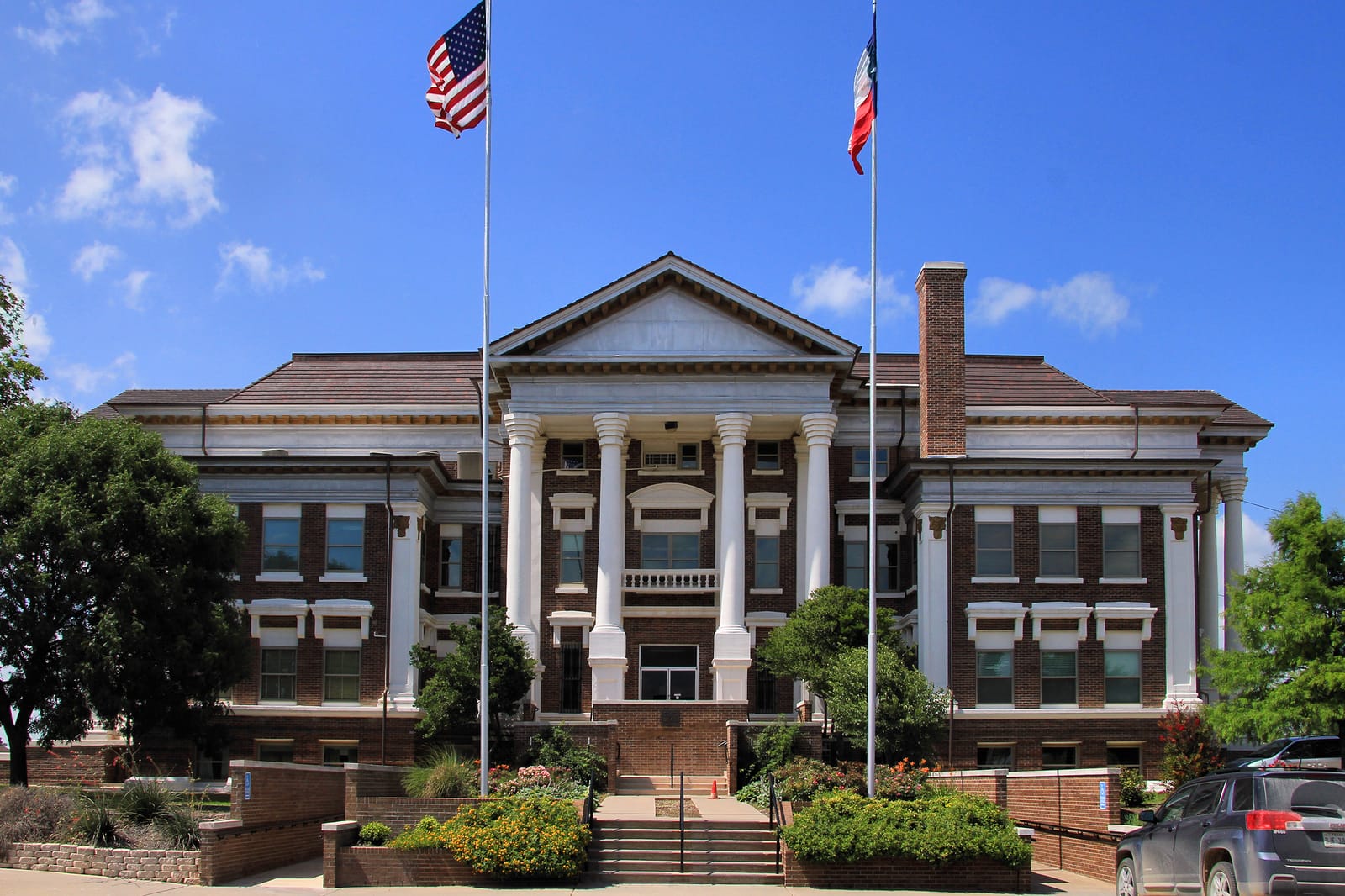
Montague County Courthouse in Montague, Texas — a three-story Classical Revival structure completed in 1913, seat of county government
Civic Guide · 6 min read

The Political Character of Montague County

Montague County is one of rural North Texas's most reliably Republican counties — the product of a decades-long realignment from its solidly Democratic past. Understanding the county's political identity helps explain its civic culture, local governance, and policy priorities.

Read article →
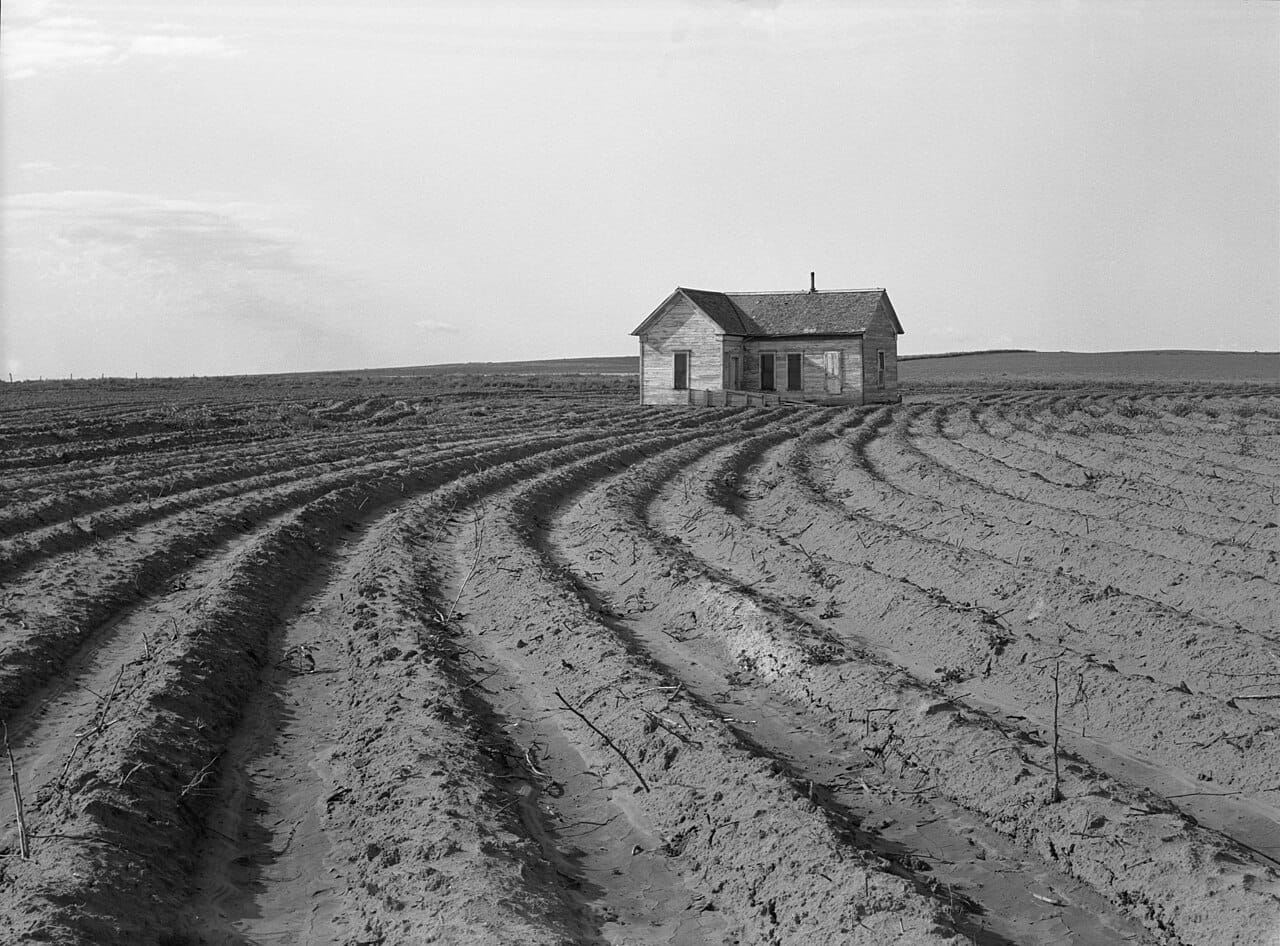
Mechanized farming displacing tenant farmers in Childress County, Texas Panhandle, 1938 — a tractor working open farmland on the North Texas plains
Land & Housing · 7 min read

Real Estate and the Ranchette Boom in Montague County

Since 2015 — and at an accelerated pace after 2020 — Montague County land values have risen sharply, driven by DFW Metroplex spillover, remote work migration, and hunting and recreational demand. The ranchette market has reshaped who owns Montague County land and what they do with it.

Read article →
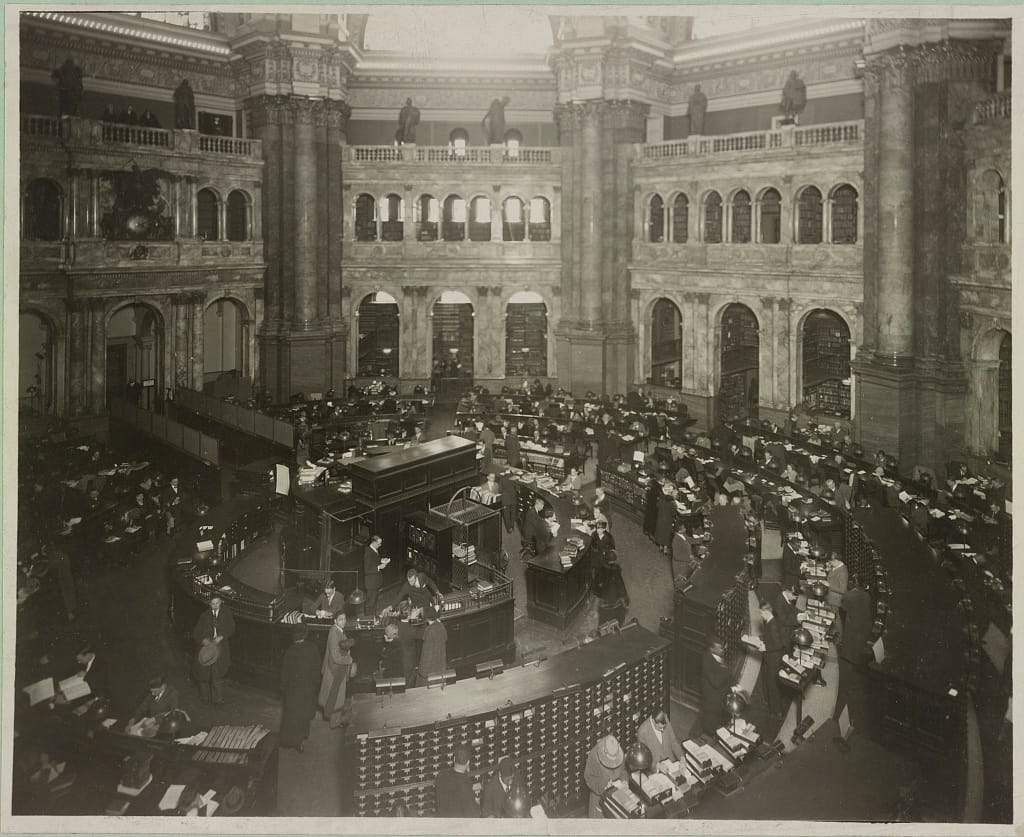
Librarians and patrons in the circular main reading room of the Library of Congress, Washington D.C., circa 1920
Guide · 3 min read

Research Resources for Montague County History

A finding guide to 15 repositories for Montague County historical research — 8 online-accessible, 5 in-person only. Covers the UNT Portal to Texas History, Baylor Oral History Program, TSLAC microfilm, FamilySearch, Freedmen's Bureau records (NARA M1912), Bowie and Nocona public library local history rooms, and the Montague County Historical Commission.

Read article →
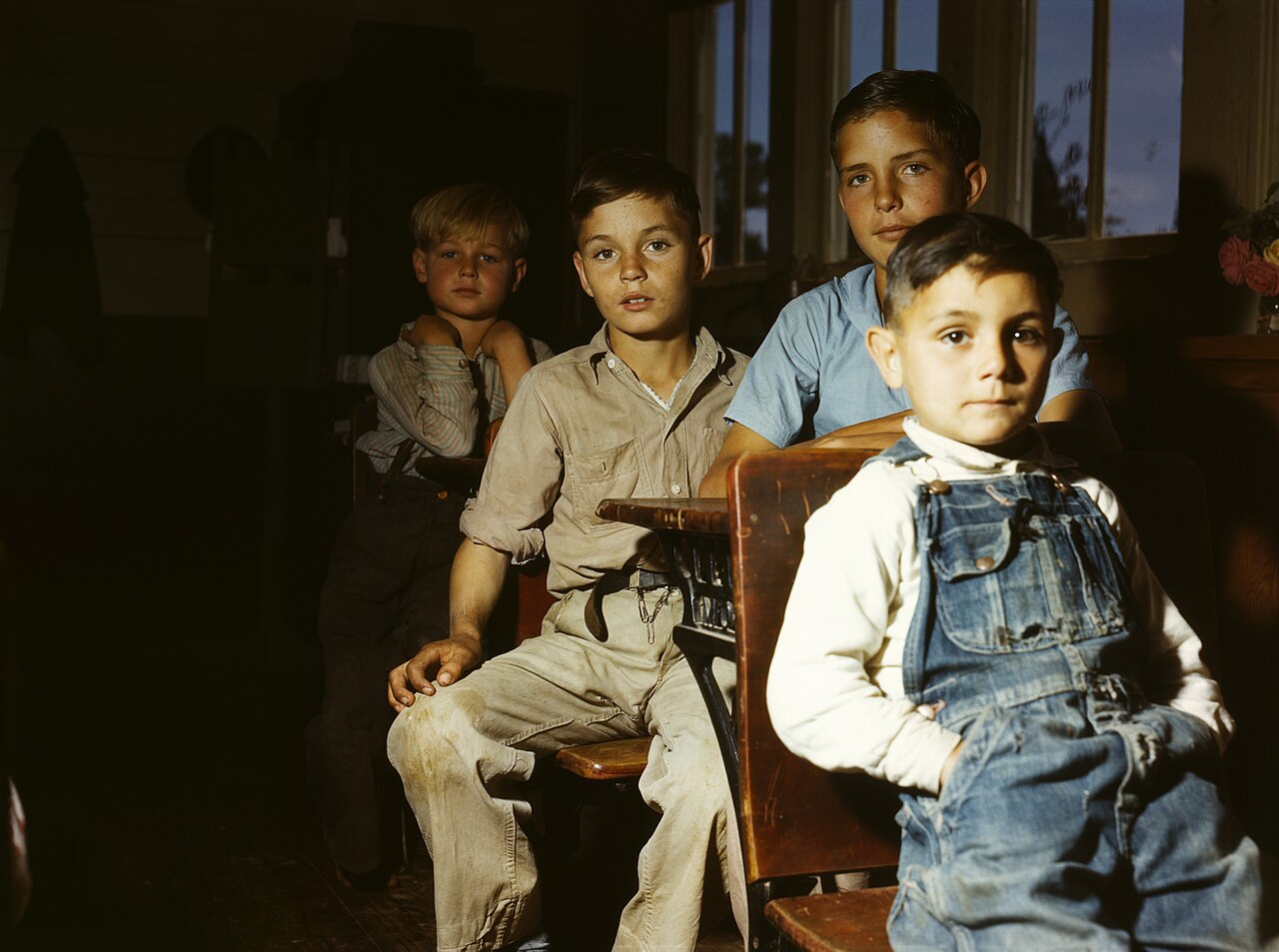
Rural school children in San Augustine County, East Texas, 1943 — a color FSA photograph documenting small-town Texas public education
Guide · 2 min read

School Districts of Montague County

Montague County is served by six independent school districts: Bowie ISD (1,567 students), Nocona ISD (752), Saint Jo ISD (346), Forestburg ISD (184), Gold-Burg ISD (155), and Prairie Valley ISD (127). Total enrollment approximately 3,131-3,200 students K-12 for the 2024-2025 school year.

Read article →
Nettie Featherston, wife of a migratory farm laborer with three children, near Childress, Texas — North Texas working family, June 1938
Work & Economy · 8 min read

Workforce and Commuting Patterns in Montague County

Montague County's 9,456-person employed workforce is split between local jobs in healthcare, retail, and education; commute flows west to Wichita Falls and south toward DFW; and a growing share of remote workers. Understanding where people work — and how far they drive to do it — explains much about daily life in the county.

Read article →