TOWNS

Montague County towns.

Thirteen living communities — incorporated cities and unincorporated settlements — spread across 930 square miles of North Texas between the Red River and the Cross Timbers.

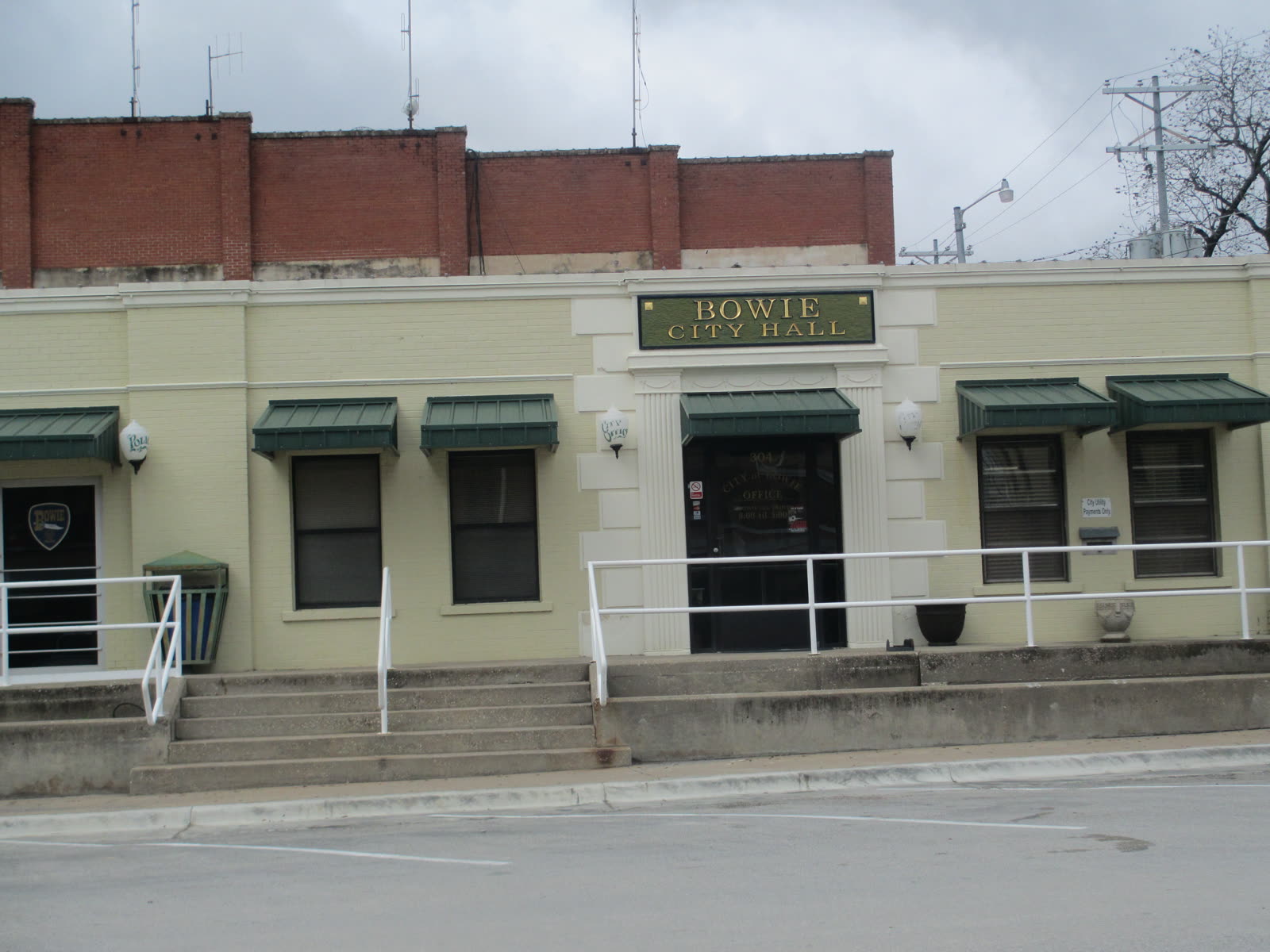
Bowie City Hall in Bowie, Texas — the seat of Montague County's largest city, photographed April 2013
Montague County · Est. 1882

Bowie

Largest city in Montague County. Founded as a Fort Worth & Denver construction camp in 1882 — a second railroad (Rock Island) followed in 1893 — Bowie is the county's regional hub for grocery, hardware, and healthcare, and home to the Guinness-certified World's Largest Bowie Knife.

View →
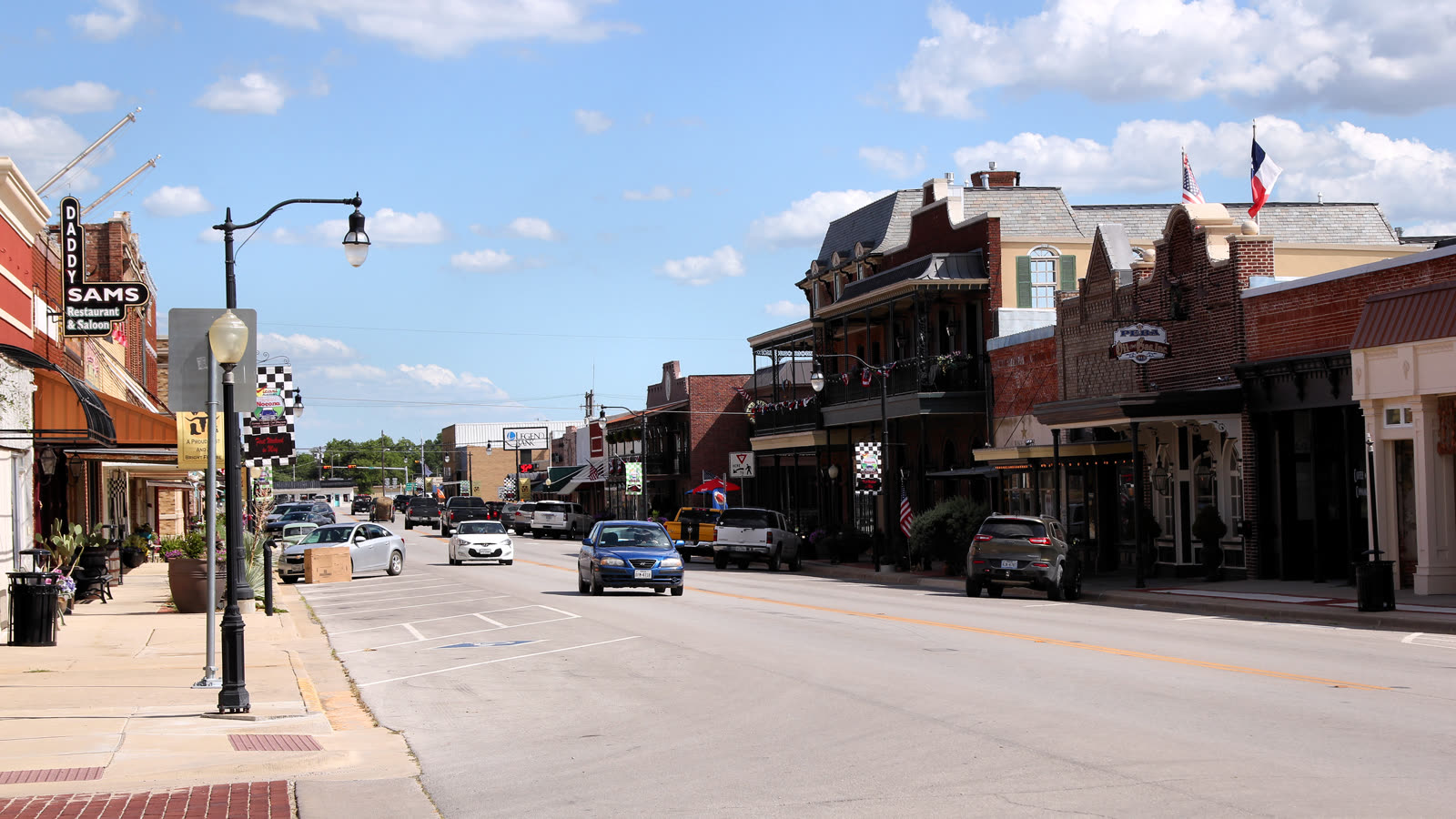
The 300 block of Clay Street in Nocona, Texas — the historic commercial district of Montague County's largest city, photographed in 2018
Montague County · Est. 1887

Nocona

Founded 1887 when rancher D.C. Jordan donated land along the Gainesville, Henrietta & Western line — the town was named Nocona at a Texas Ranger's suggestion, honoring Comanche chief Peta Nocona. Home to Nokona baseball gloves, still handcrafted in-town, and Enid Justin's Nocona Boot Company legacy, with Lake Nocona nearby.

View →
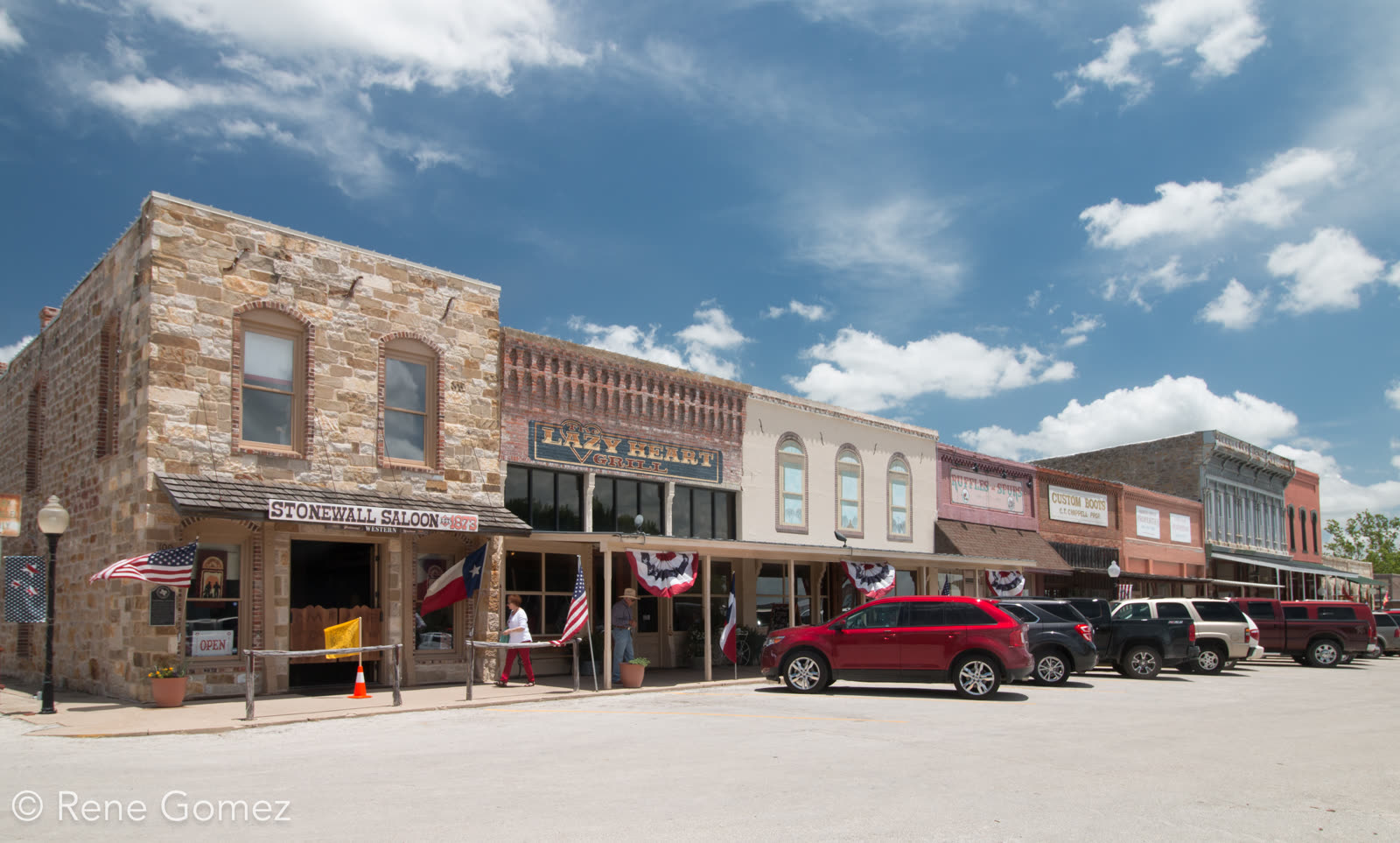
Saint Jo, Texas — a view of the small ranching town in Montague County
Montague County · Est. 1873

Saint Jo

The last supply stop on the Chisholm Trail before the Red River crossing into Indian Territory. The 1873 Stonewall Saloon — the town's first permanent structure — still stands on the historic square, now operated as a museum; the modern Red River Station concert venue carries on the town's role as a gathering place.

View →
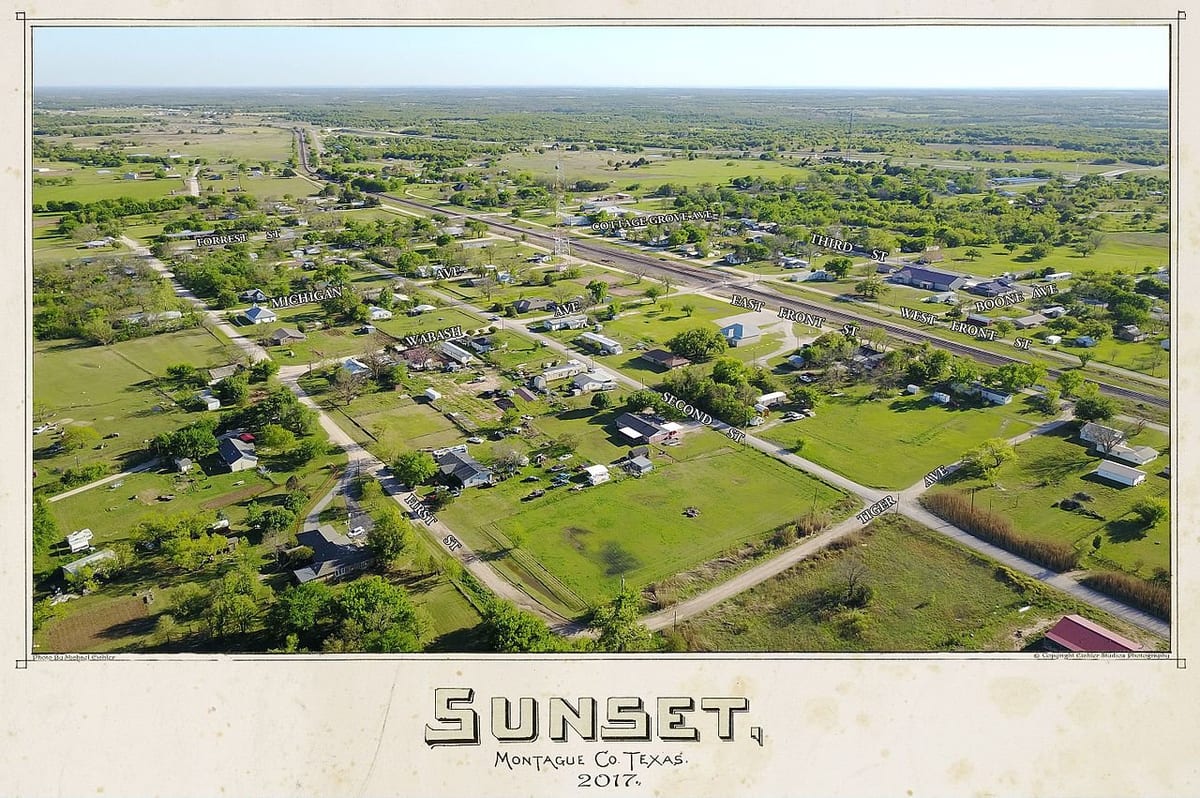
Aerial view of Sunset, Texas, an unincorporated community in southern Montague County, framed to echo the 1890 T.M. Fowler bird's-eye drawing
Montague County · Est. 1880

Sunset

A Butterfield Overland Mail relay station operated near present-day Sunset as early as 1858, making it one of the county's earliest transportation nodes. Permanent settlement followed in 1870; the post office opened in 1880. Sunset incorporated as a city in 1884 and disincorporated April 19, 2007.

View →
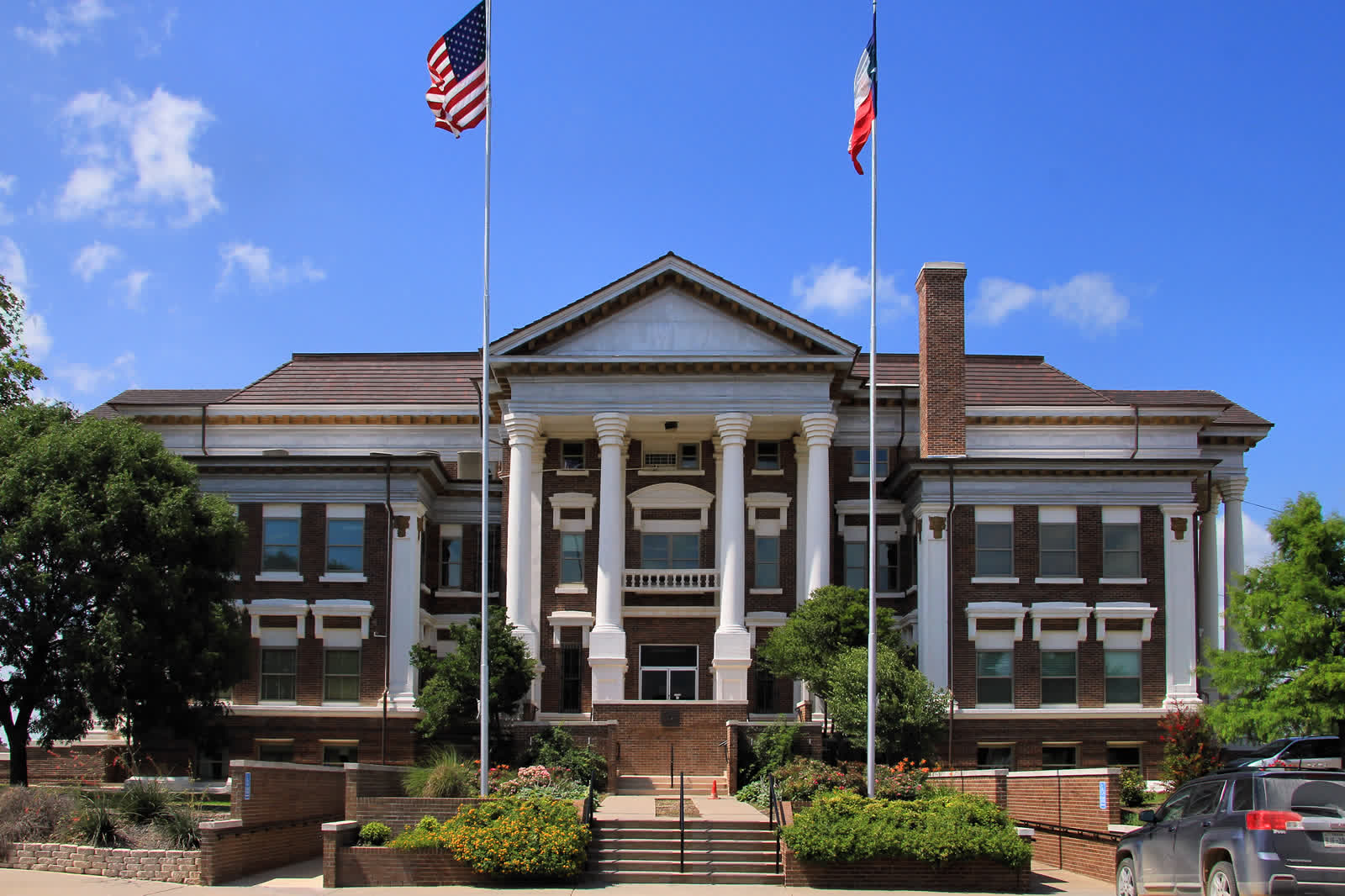
The 1913 Montague County Courthouse, a Classical Revival design by George Burnett of Waco in Montague, Texas
Montague County · Est. 1858

Montague

County seat of Montague County since 1858. Pop. 261 — one of Texas's least-populated county seats. Home of the 1913 Montague County Courthouse, a Classical Revival landmark, and the 1927 Old Jail Museum, both listed on the National Register of Historic Places.

View →
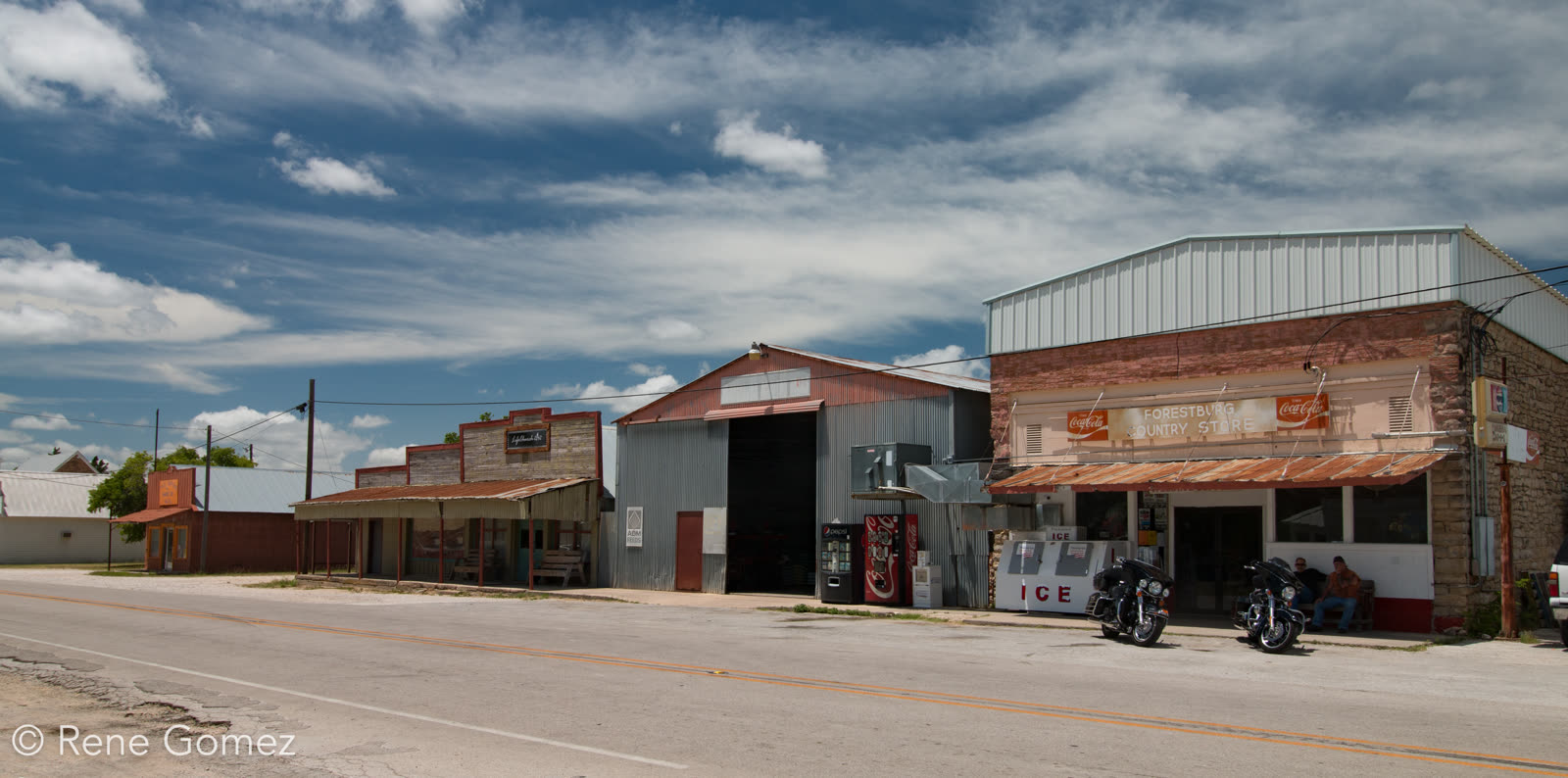
Forestburg, Texas, a small community in Montague County, photographed June 2018
Montague County · Est. 1876

Forestburg

Unincorporated community settled in the 1850s in the live oak groves of southeastern Montague County, with a post office established in 1876. Home to the county's first school (1858) and the annual Watermelon Festival, held every summer since 1980.

View →
Belcherville, Texas — a small community in Montague County, view of main area
Montague County · Est. 1887

Belcherville

Unincorporated ghost town in the northwestern corner of the county, about 15 miles from the county seat. A booming railroad stop in the 1890s and part of the Saint Jo–Belcherville orchard belt, Belcherville dwindled after the railroad declined and the orchards were reduced; a small number of residents remain.

View →
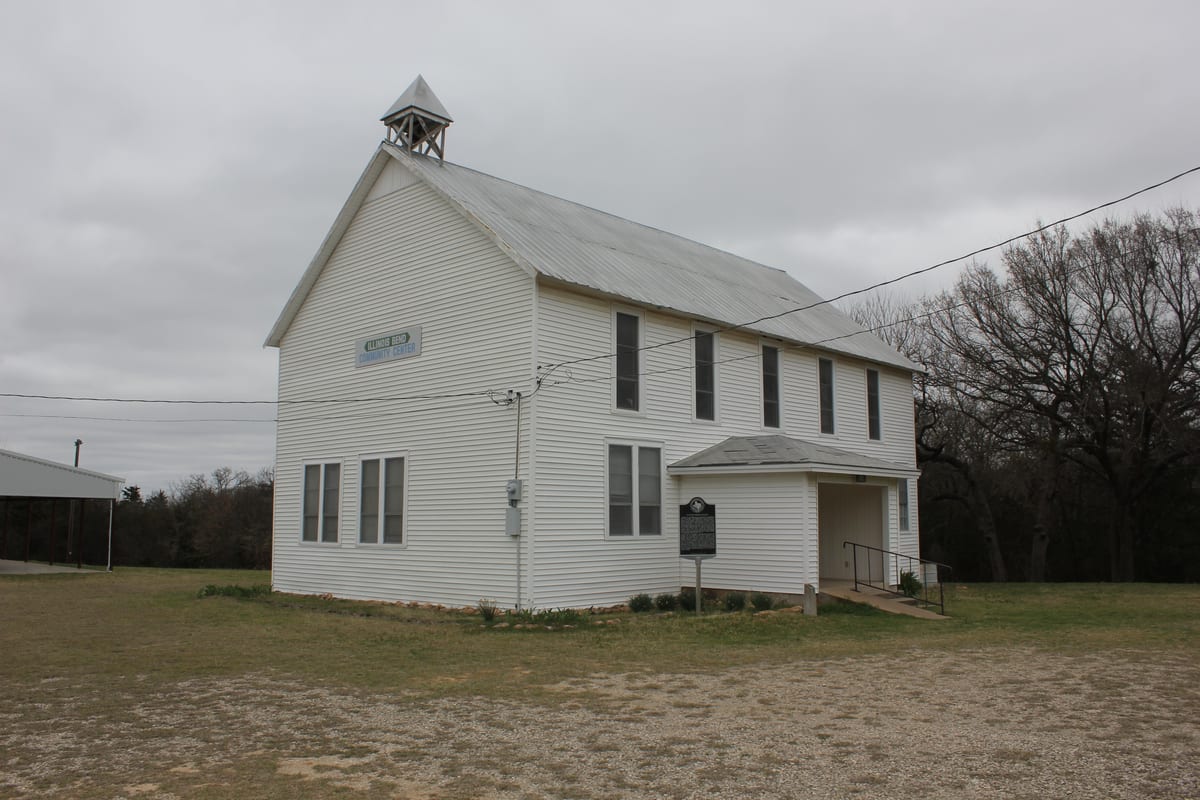
The historic Illinois Bend School building in Illinois Bend, Texas, the surviving anchor structure of the community
Montague County · Est. 1862

Illinois Bend

Unincorporated community at a bend of the Red River in the extreme northeastern corner of Montague County. Settled in 1862 by families from Illinois, the community was nearly depopulated by a December 1863 Kiowa and Comanche raid — approximately 250 warriors, at least 12 settlers killed — the defining frontier event in county history.

View →
Montague County · Est. 1971

Nocona Hills

A gated lakeside community on the east shore of Lake Nocona, established in 1971 around an 18-hole golf course, a private grass airstrip, and roughly 500 home sites.

View →
Montague County · Est. 1892

Ringgold

A small unincorporated community in northern Montague County on US-81 and US-82, about five miles south of the Red River. Founded in 1892 as a railroad market town near the historic Chisholm Trail crossing at Red River Station.

View →
Montague County · Est. 1893

Stoneburg

Unincorporated community in west-central Montague County, 15 miles west of the county seat. The townsite dates to 1893 when the Chicago, Rock Island and Texas Railway arrived; the broader settlement goes back to the early 1870s.

View →
Montague County · Est. 1920s

Capps Corner

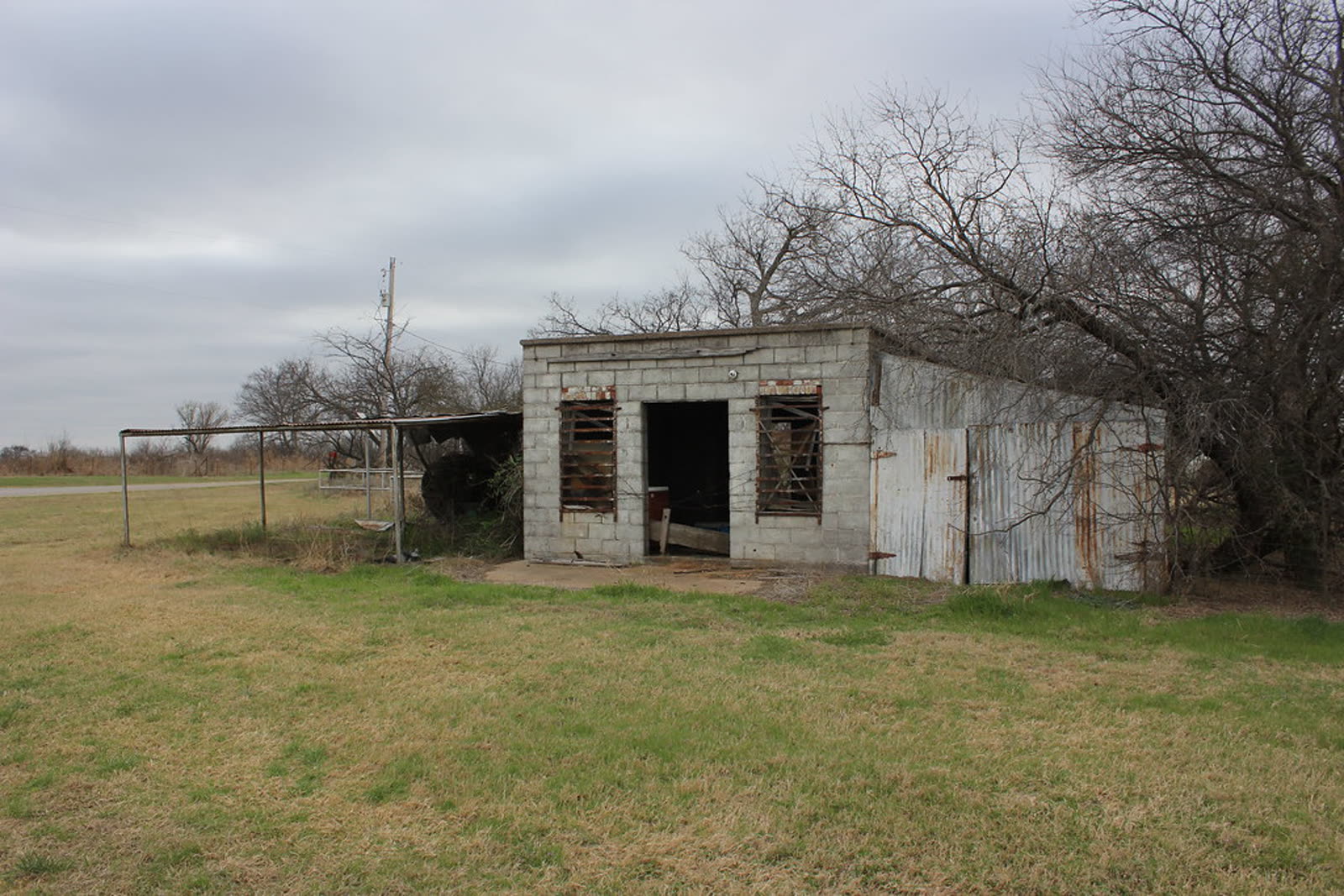
Small unincorporated crossroads community northeast of Bowie, at the junction of FM 1956 and FM 677. Named for local figure E. G. (Cap) Adams, who gave the corner filling station its identity. Established around 1925.

View →
Montague County · Est. 1886

Bonita

An unincorporated farming community on FM 1815, nine miles northeast of Montague. Founded in 1886 when the Gainesville, Henrietta and Western Railway pushed through northern Montague County; the tracks were pulled in 1971.

View →

Local businesses

Every business in the directory is verified by hand. Browse by town or category.

Browse the directory → Get the Friday email →