HISTORY
Cattle Cotton Oil
Wildcat wells on the prairie, cotton gins in every town, and the 1930s drought that broke the cotton economy. The shift to cattle operations began here and never fully reversed.
Apple and Peach Orchards in Montague County: Agricultural Reinvention After Cotton
When the boll weevil collapsed Montague County's cotton economy, the sandy loam soils of the Cross Timbers found a second life in fruit. By 1980, MoCo led Texas in apple production and ranked sixth in peach production. The Saint Jo–Belcherville–Fruitland orchard belt is one of north Texas's quieter agricultural success stories — and one of the more remarkable examples of a county remaking its agricultural identity from the ruins of a failed crop.
The Boll Weevil Crisis in Montague County: Agricultural Collapse and Transition
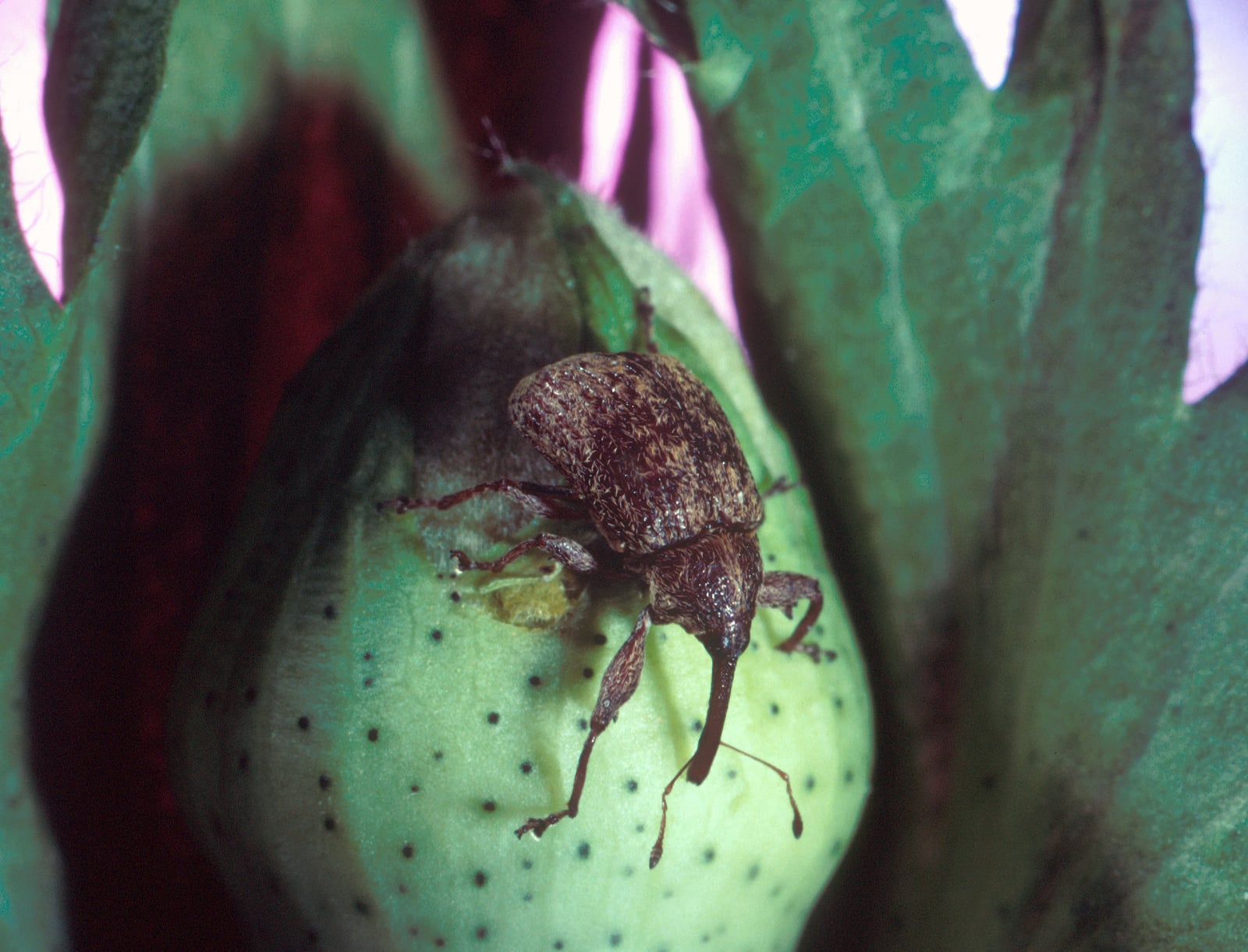
The boll weevil arrived in Montague County around 1910 and began one of the most consequential agricultural collapses in the county's history. Within two decades, cotton yields fell from 43,000 bales to a fraction of that level, farm consolidation displaced thousands of tenant families, and the county was forced into an agricultural reinvention that ultimately produced a more diversified — though less populous — economy.
The Chisholm Trail Through Montague County: Red River Station and the Cattle-Drive Era
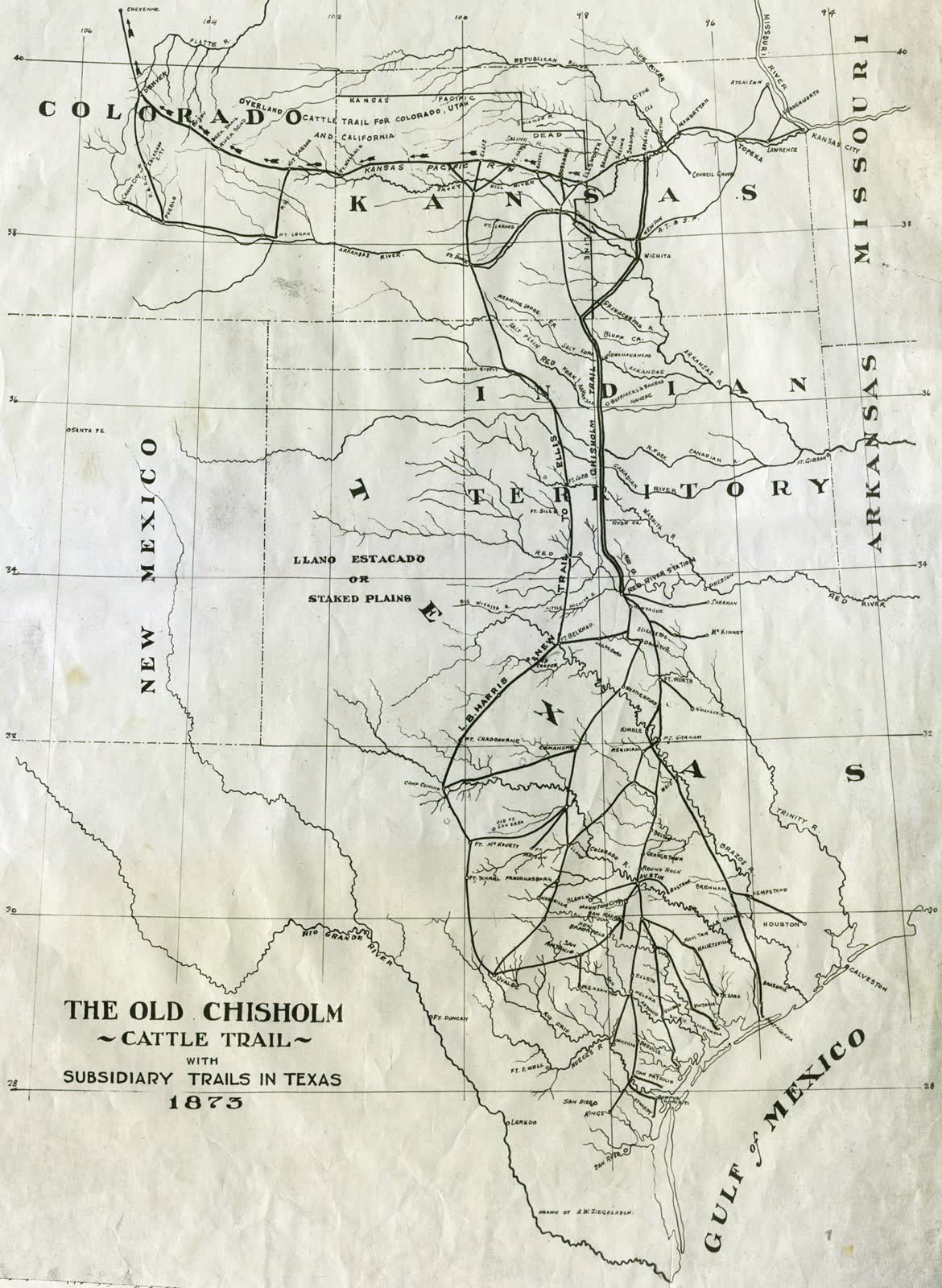
From 1867 through the early 1880s, millions of longhorns crossed Montague County's Red River at Red River Station — one of the Chisholm Trail's principal Texas-side crossings. The eighteen-year cattle-drive era transformed county economics, built the trail town of Saint Jo, and left a cultural legacy still visible in MoCo's heritage.
The Cotton Era in Montague County: Boom, Tenancy, and Collapse (1880–1930s)
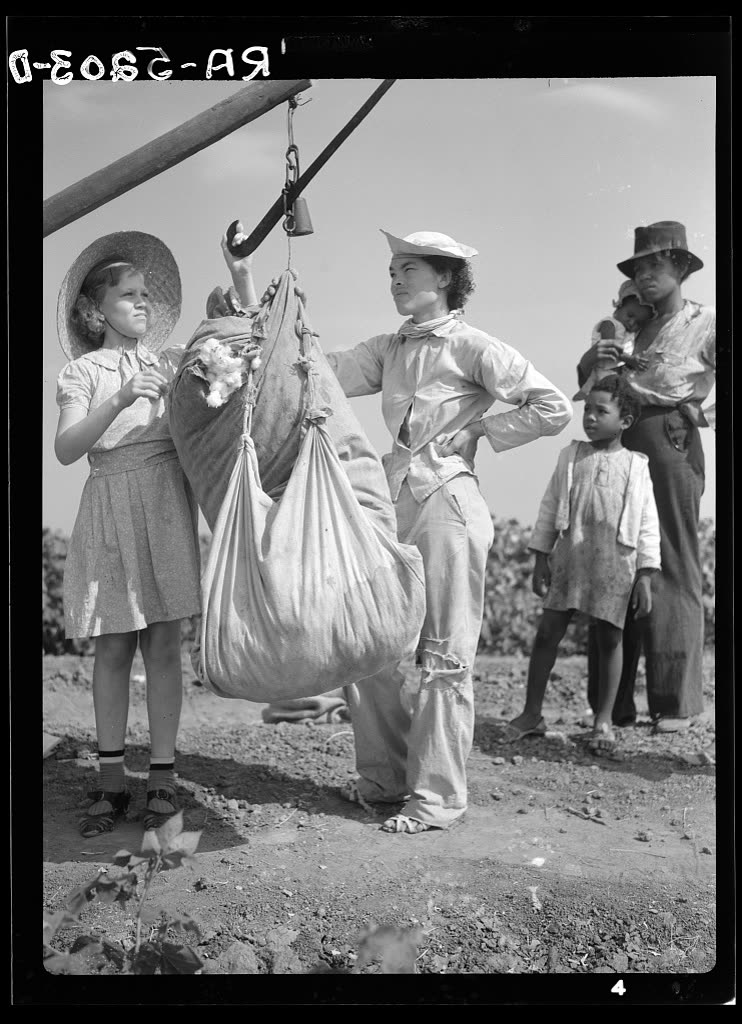
Between 1880 and 1910, cotton transformed Montague County from a frontier cattle economy with fewer than 1,000 residents into a cotton-and-railroad society of more than 25,000. The same decades that built that boom set up the collapse that followed — through boll weevil damage, Depression-era price crashes, and the displacement of thousands of tenant farming families.
Cotton Gins of Montague County: Infrastructure of the Boom Era
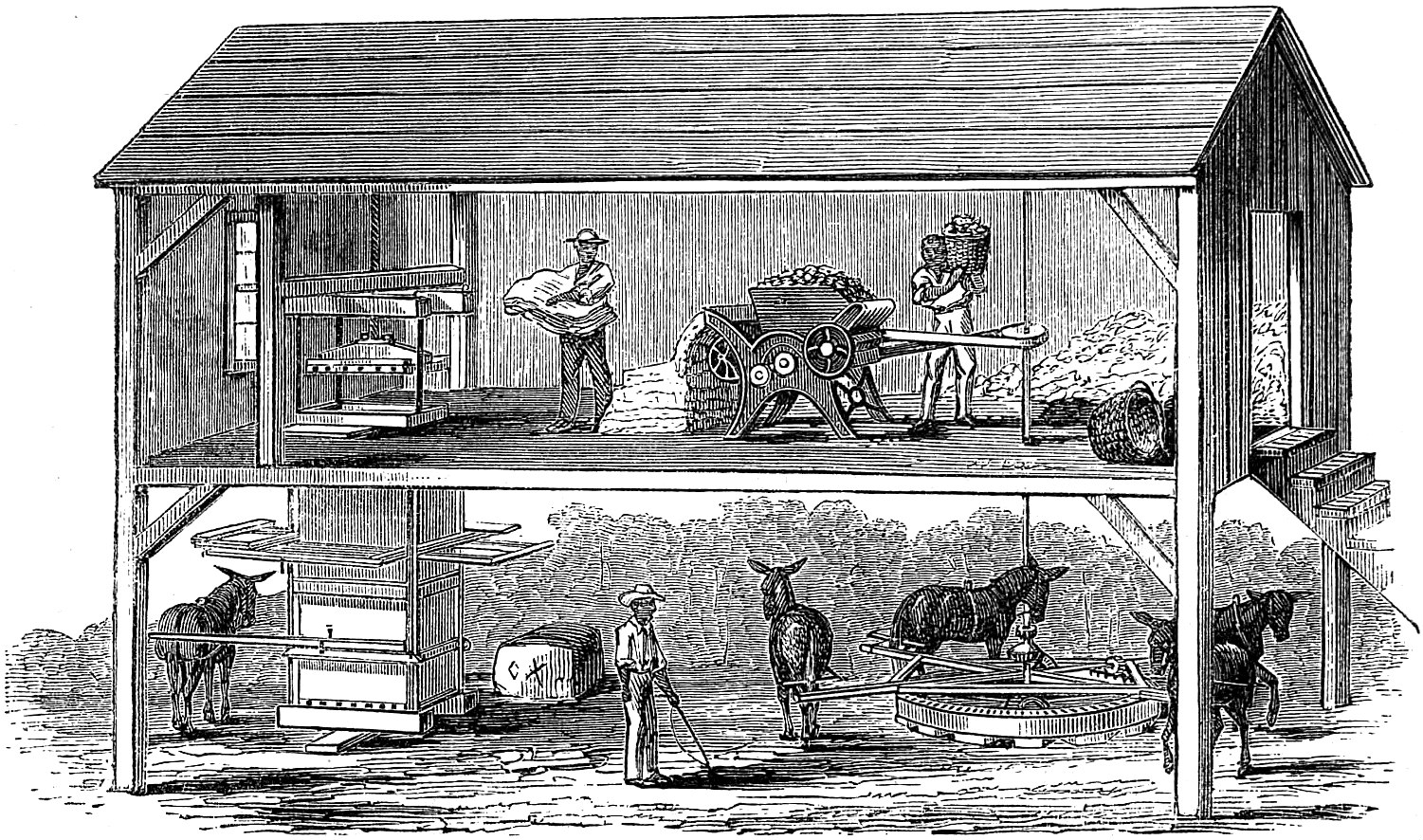
At peak in 1914, forty cotton gins operated across Montague County — anchoring communities, processing the crop, and connecting rural MoCo to the global textile economy. The boll weevil collapse that followed eliminated most of them within two generations. Today the gins survive in memory, in scattered ruins, and in the place names that outlasted the buildings.
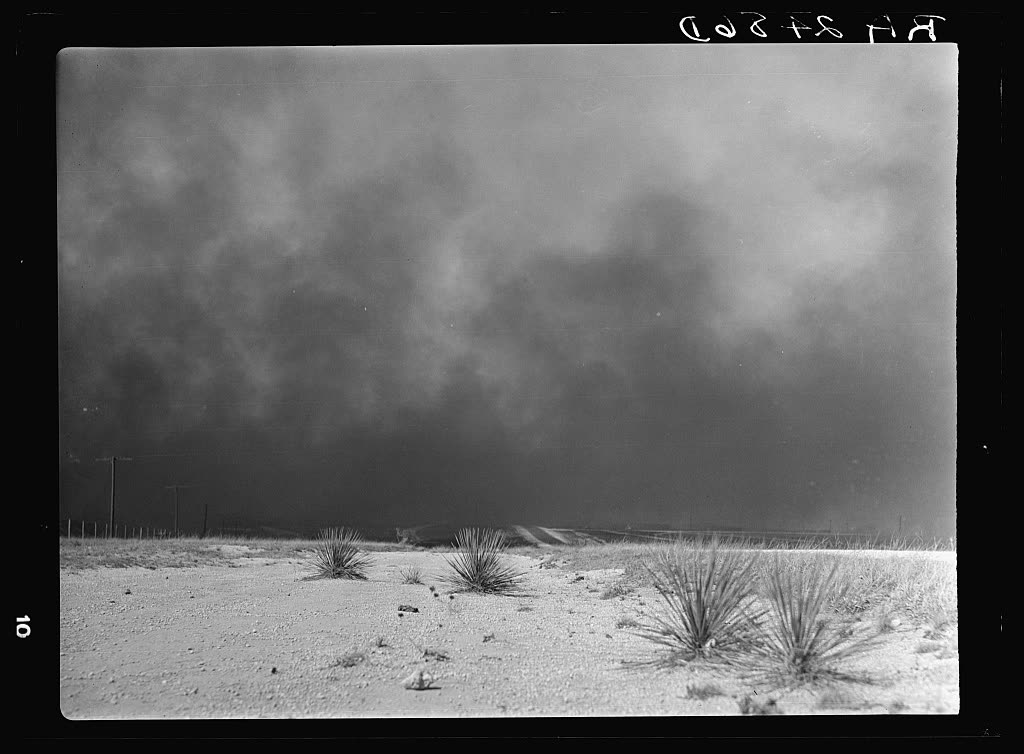
The Dust Bowl and Great Depression in Montague County (1930s)
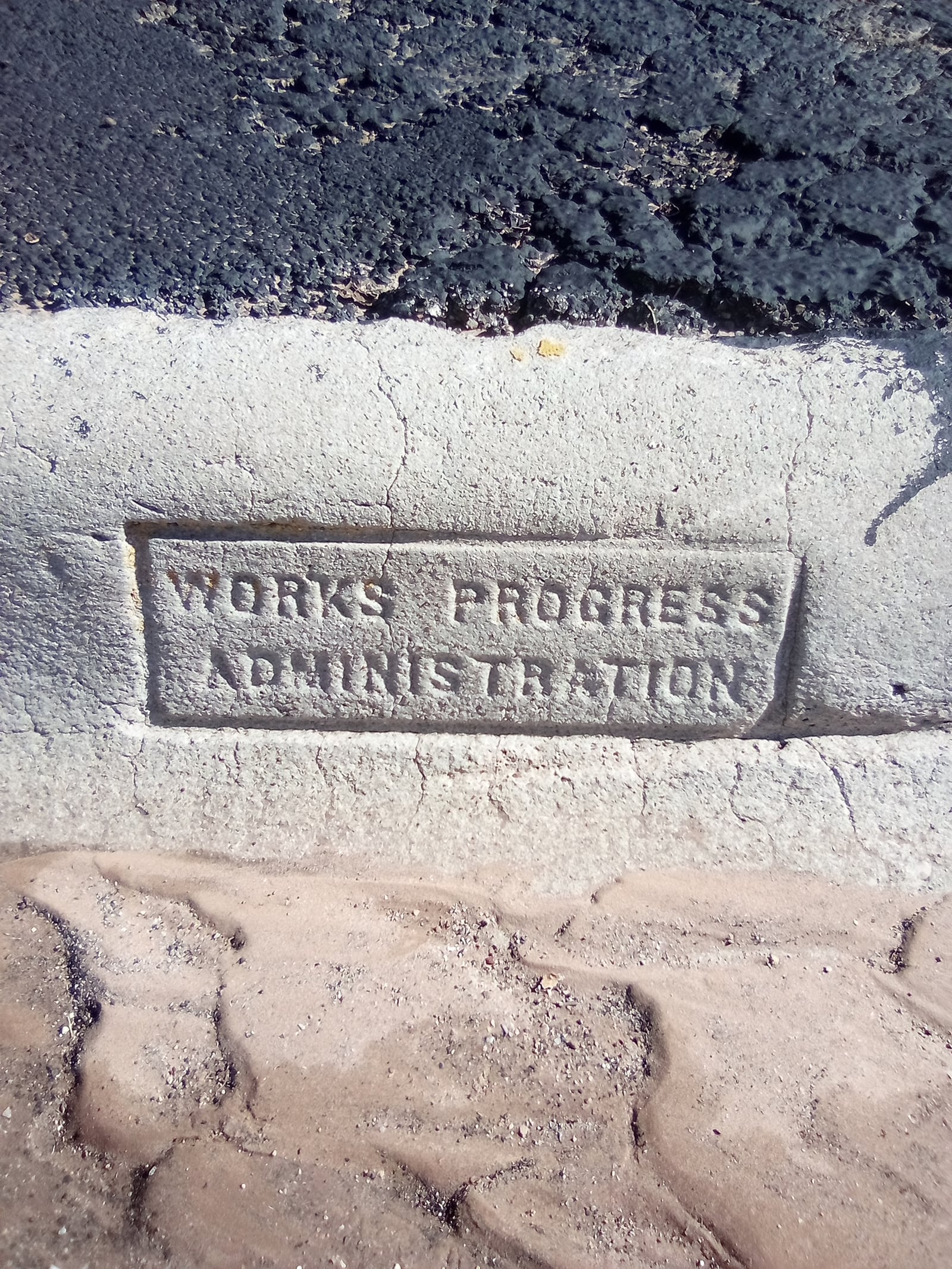
The 1930s hit Montague County with three simultaneous crises: the boll weevil collapse already underway since 1910, the Great Depression's cotton price crash and bank failures, and the Dust Bowl drought that compounded agricultural losses across the southern Plains. Population fell roughly 7% in the decade. New Deal programs — the CCC, WPA, REA, and AAA — intervened with employment, infrastructure, and partial relief that left lasting marks on the county.
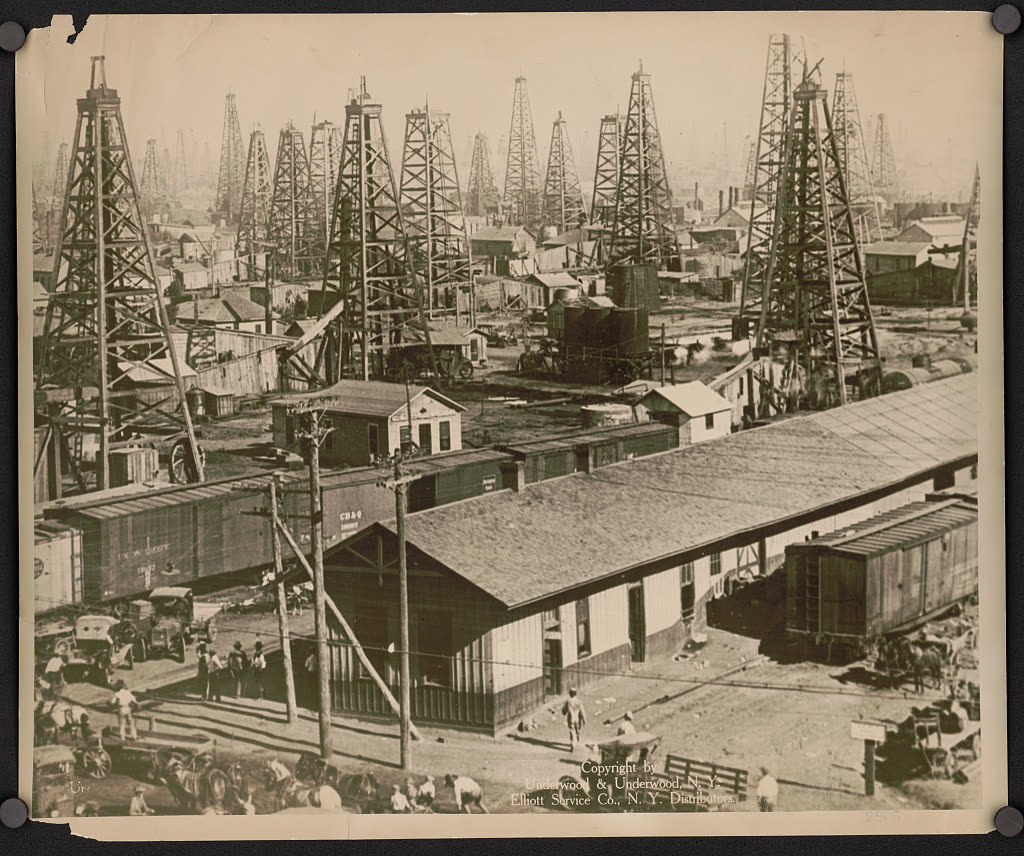
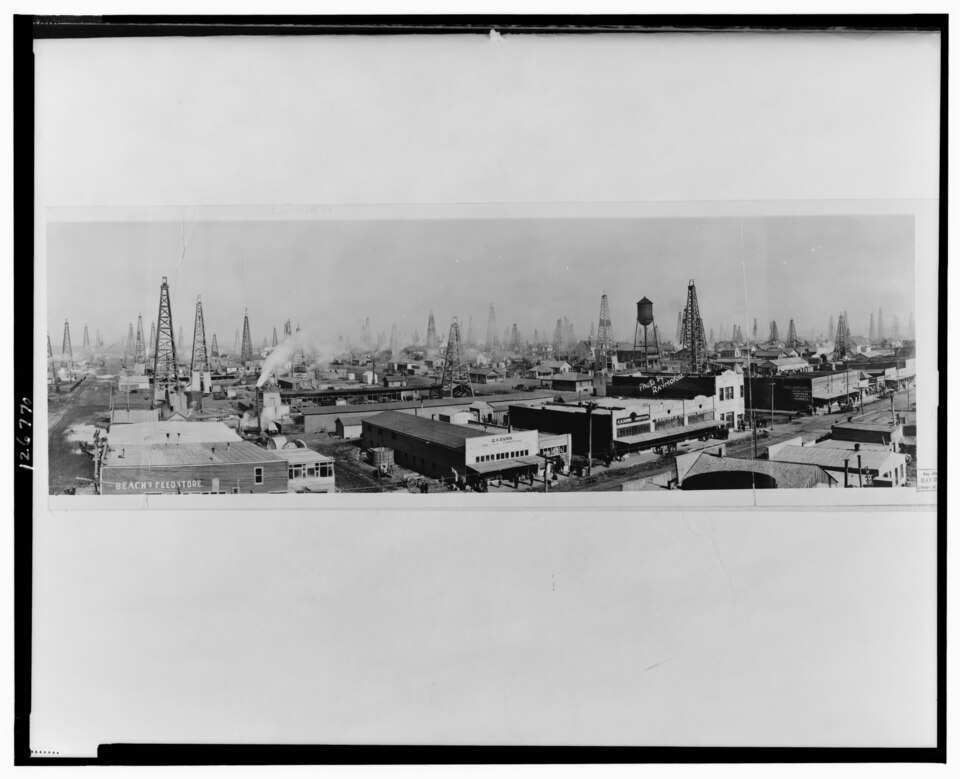
The KMA Oilfield: Discovery, Boom, and Long Decline in Montague County
The Kemp-Munger-Allen Oilfield — named for three north Texas businessmen who held the land for nineteen years before oil flowed — is Montague County's most significant petroleum event. Two discovery phases, a 1940s production peak, a boomtown at Kamay, and a century of slow decline define one of north Texas's mid-size fields.
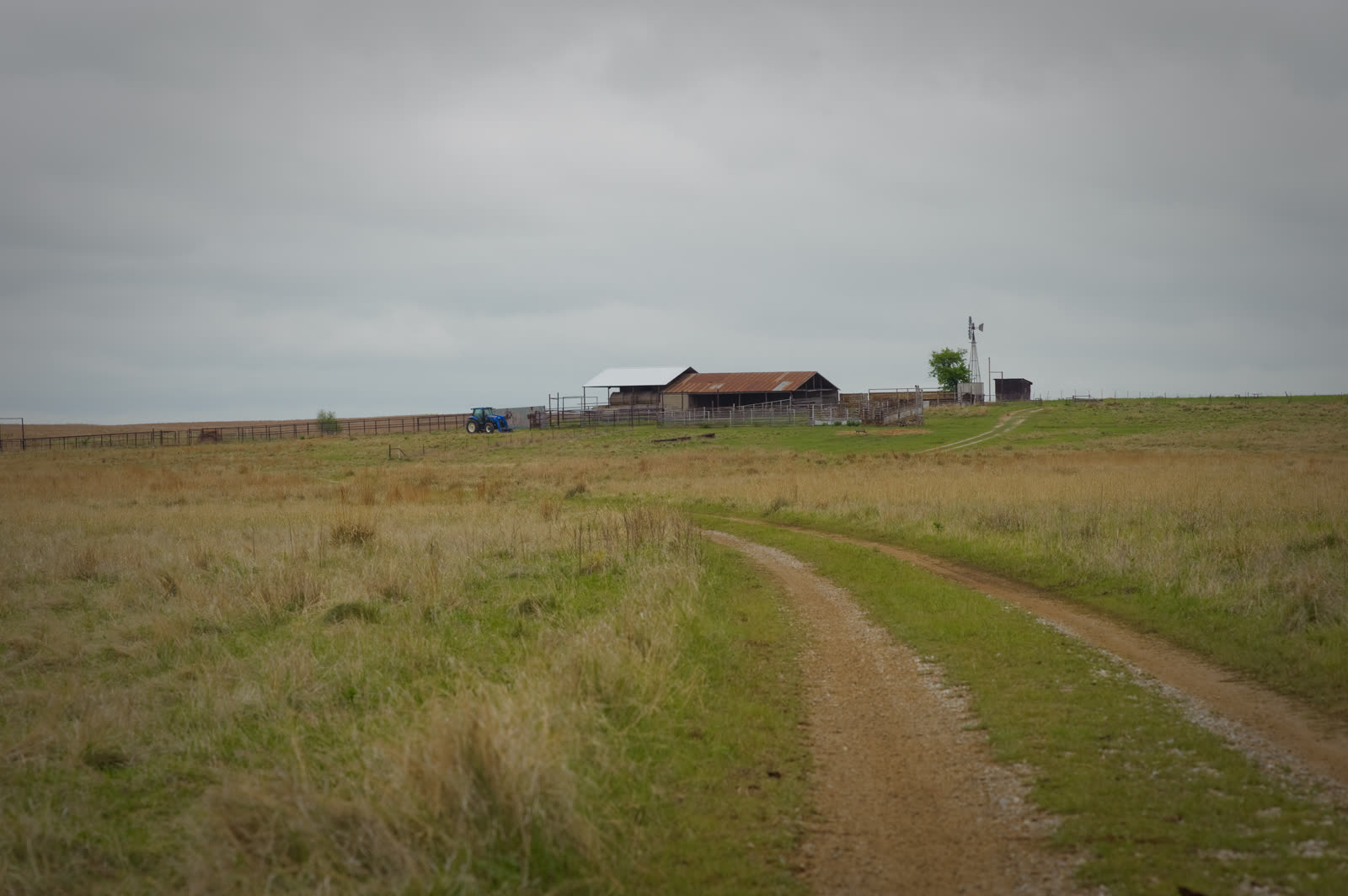
Major Historic Ranches of Montague County: From Frontier Cattle to Modern Ag
Montague County's ranching heritage begins before the county itself was organized. From the earliest documented cattle operations in the Forestburg district in the 1850s to the Jordan-Broaddus Ranch's 20,000 acres that became the foundation of Nocona, the named historic ranches of MoCo are the economic spine of the county's first half-century.
Watermelons in Montague County: Forestburg's Enduring Specialty Crop
When cotton collapsed and orchards retreated, Forestburg's sandy-soil farmers found a crop that fit the land and stuck around. The watermelon tradition centered on Forestburg has produced one of MoCo's longest-running cultural events — the Forestburg Watermelon Festival, in its 45th-plus year as of 2025.
Wildcatters and Lost Wells: Montague County's Speculative Oil History
Beyond the KMA Oilfield, Montague County's petroleum history is a long record of speculative drilling — independent wildcatters chasing geological hunches, mostly coming up dry, occasionally finding something. The boom-bust rhythm of wildcat oil culture shaped MoCo's mineral-rights consciousness, its service economy, and its folklore of lost wells across more than a century.
WPA and CCC in Montague County: New Deal Programs and the 1937 Forestburg School
The Works Progress Administration and Civilian Conservation Corps brought federal investment, employment, and infrastructure to Montague County during the worst years of the Great Depression. MoCo's most visible legacy is the 1937 Forestburg WPA school — an Alamo-replica stone building that burned in 1995 and was rebuilt the following year in the same style.