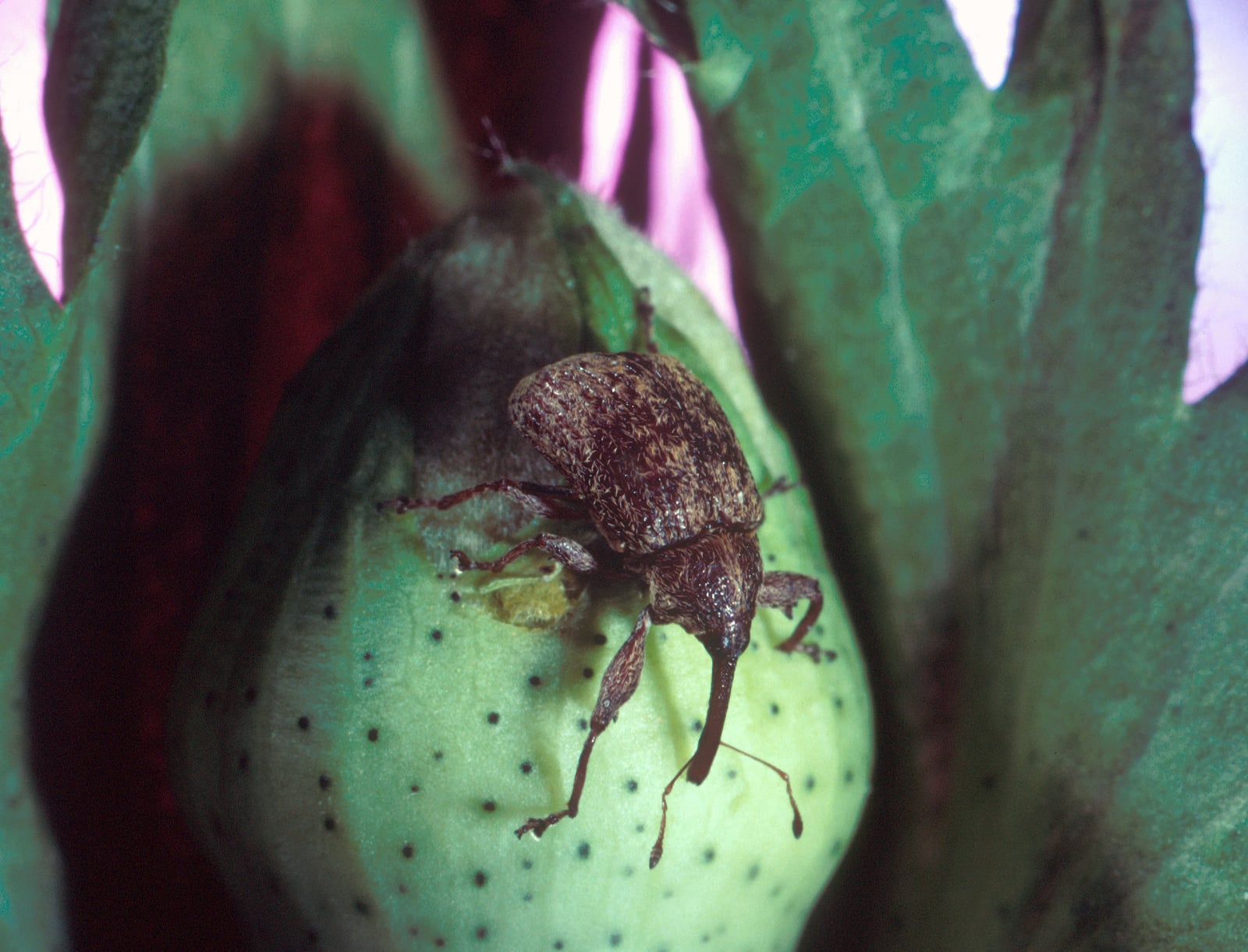
When the cotton economy collapsed in Montague County after the boll weevil crisis of the 1910s, Forestburg-area farmers were looking for what sandy soil could sustain. The answer, over decades of trial and persistence, was watermelon. The crop fit the land. It fit the scale of family-farm operations. And it produced something that could be sold directly — at roadside stands, at farm gates, and eventually at what became one of north Texas’s most recognizable small-town summer festivals.
The watermelon tradition in Montague County is centered on Forestburg, a small community in the county’s southeastern sector where Cross Timbers sandy loam soils create conditions well-suited to vining crops that struggle in heavier ground. It is not an industrial story — MoCo watermelon production never approached the commercial scale of south Texas or the Rio Grande Valley. What it is, is a persistently local story: a specialty crop that survived where cotton failed, attached to a festival that has outlasted the economic conditions that originally made it useful.
Why Does Watermelon Grow in Forestburg?
The short answer is the soil. Watermelon is a demanding crop in one specific way: it requires good drainage. Clay-heavy soils that retain water around the roots will rot a watermelon crop in a wet summer. The sandy loam soils of the Cross Timbers transition zone in southeastern MoCo provide the drainage watermelon needs, along with enough organic material and retained moisture to support the crop through a normal north Texas growing season.
The climate adds to the advantage. Watermelon needs heat: extended periods above 80°F for fruit development, and a long growing window from spring planting through late-summer harvest. MoCo provides more than 100 days in that temperature range in a typical year. In years with adequate spring moisture — or where supplemental irrigation is available — the Forestburg area produces fruit of quality sufficient to anchor a festival and sustain a decades-long local reputation.
The crop economics reinforced the environmental fit:
- Lower input costs than cotton or row-crop grain
- Higher per-acre revenue potential if quality is good
- Direct marketing possible (roadside stands, festival sales)
- Family-scale operations viable — no industrial equipment required
- Quick season from spring planting to mid-summer-through-fall harvest
When cotton fell apart and orchards retreated from the economic pressure of cheap national-market competition, watermelon occupied a niche that required neither the capital of large-scale farming nor the infrastructure of commodity production.
What Is the Forestburg Watermelon Festival?
The festival is the cultural focal point of MoCo’s watermelon tradition. It started — by accounts consistent across regional news coverage — as a community fundraiser, likely for school needs, in approximately 1980 (a 2022 article described the festival as starting “42 years ago”; by 2025, coverage described it as “45+ years”). The specific founding year and founding organization are not definitively documented in available sources.
What the record does confirm is a sustained institution:
- Annual event held in late summer, typically August, when watermelons are at peak ripeness
- Population swells from a few hundred Forestburg residents to thousands of visitors on festival day
- Programming includes watermelon weighing contests, seed-spitting contests, parades, food, live music, kids’ events, and vendor booths
- The festival has evolved from small school fundraiser to broader community event to a regional draw
- Watermelon remains the central organizing symbol, embedded now in a broader county-fair-like event
The Contests
The heaviest watermelon contest draws growers who have cultivated single fruits on single vines through careful management. Winning watermelons in some years have exceeded 100 pounds; the Carolina Cross variety — grown specifically for size — produces the serious competition entries. The bragging rights circulate through the community for the following year.
The seed-spitting contest is the audience-pleasing event: adults and children, multiple age divisions, distances sometimes exceeding 70 feet recorded in competitive years. Technique varies. The atmosphere is unambiguously comedic.
Other contests — watermelon-eating speed, watermelon-decorating, junior agricultural exhibits — fill the program around the centerpieces.
How Does Watermelon Fit Into MoCo’s Larger Agricultural Story?
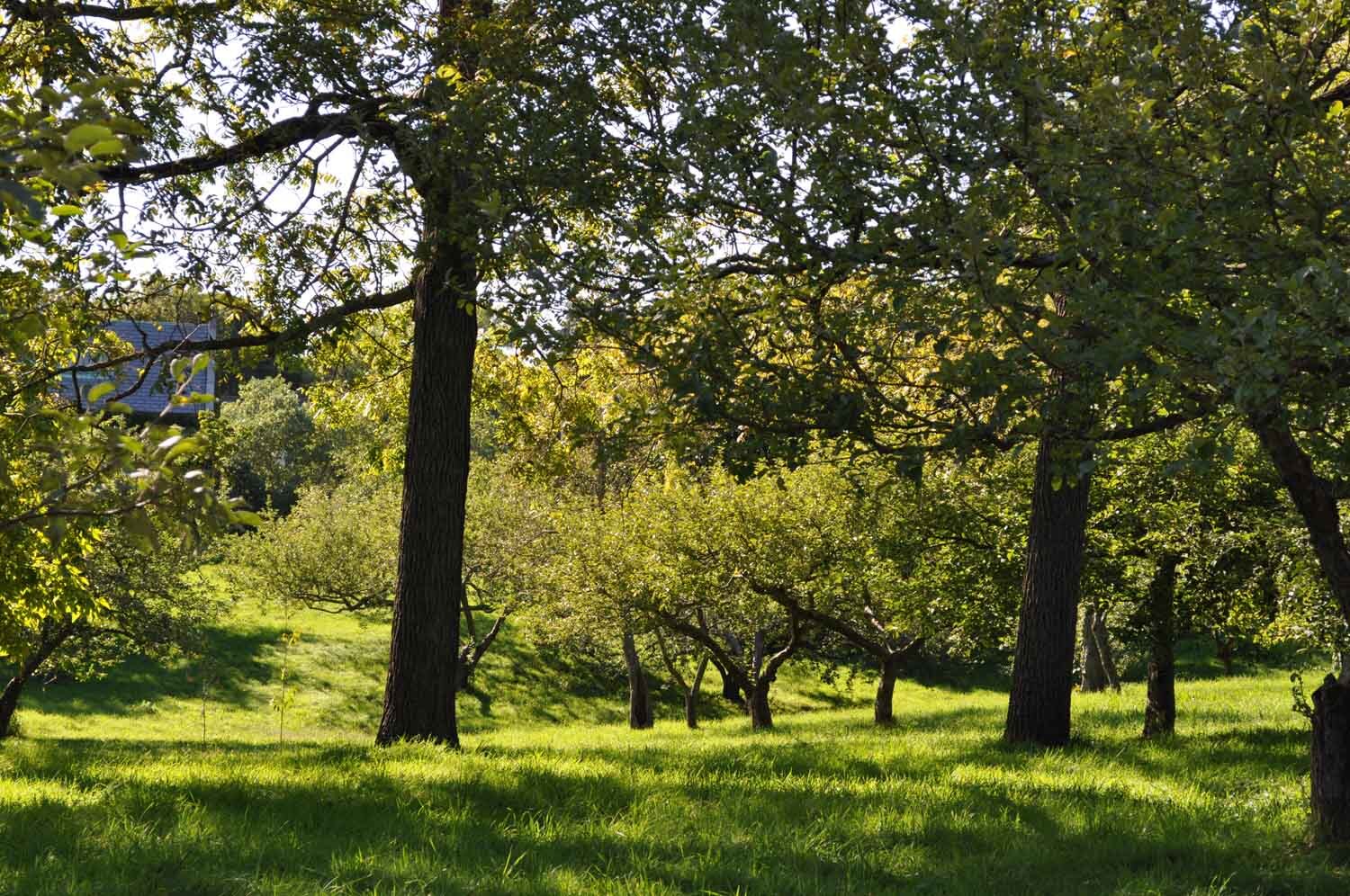
The Forestburg watermelon tradition is one chapter in a post-cotton diversification story that unfolded across the county in the decades after the boll weevil crisis. Cotton had been the dominant cash crop in MoCo’s arable zones from the 1880s through the 1910s; the boll weevil’s arrival and spread through the 1910s–1920s, combined with soil exhaustion and falling prices, ended cotton’s dominance. What replaced it across different parts of the county was a mix of cattle (which never disappeared), sorghum and hay crops, orchards (concentrated in the Belcherville-Fruitland corridor), and specialty crops where soil conditions supported them.
Watermelon in the Forestburg area represents the specialty-crop end of that diversification: modest in commercial scale, locally distinctive, and sustained over multiple generations. Roadside stands selling summer fruit have been a recurring sight on rural MoCo roads since the mid-twentieth century. Pickup trucks loaded with watermelons moving toward Bowie or Nocona on August afternoons are part of the season’s rhythm.
Beyond Forestburg, watermelon is grown across the county’s other sandy-soil sites — Sunset area, various rural locations with appropriate ground — at hobby and small-commercial scales. But it is the Forestburg concentration that produced the festival, and the festival that produced the cultural identity.
What Does Watermelon Mean to Forestburg?
A town of a few hundred residents hosting thousands of visitors one day a year is not a negligible economic event, even at small commercial scale. The festival generates foot traffic for vendors, brings spending to area businesses, and creates the kind of recurring cultural calendar marker that defines community identity over decades.
The watermelon itself carries cultural weight beyond its market value: chilled fruit at summer barbecues, Fourth of July picnics, family farm visits where children pick their own, coolers of watermelon at hunting camps and field gatherings. Watermelon-eating contests at family reunions. The crop’s cultural place in MoCo is deeper than its modest commercial scale would suggest.
The Forestburg Watermelon Festival’s 45-plus year run is the evidence: what started as a fundraiser became a tradition, and traditions in small north Texas communities outlast their original purposes when the community decides they matter.
Related pages: Apple and Peach Orchards of Montague County · Cotton Era in Montague County · Cattle-Cotton-Oil Era Index
Sources: Bowie News (2022, 2025) — Forestburg Watermelon Festival coverage (45+ years as of 2025; “42 years ago” per 2022 article implies origin ~1980); Texas A&M AgriLife Extension watermelon production publications; USDA Census of Agriculture county-level data. Festival founding year confirmed as approximately 1980; specific year and founding organization not stated in primary sources.