The eastern theaters of the Civil War — Gettysburg, Vicksburg, the Wilderness — are where national memory places the conflict. Montague County’s Civil War happened somewhere else entirely: on a beleaguered frontier where the men were gone, the defenses were collapsing, and Comanche and Kiowa raiding parties were moving south through the Red River corridor with more freedom than they had seen in years.
MoCo contributed men to Confederate service and struggled to defend what remained. What it got back, in four years of war, was a frontier that nearly emptied out.
Texas at Secession
Texas voted to leave the Union on February 23, 1861, ratified by popular vote. Governor Sam Houston refused to take the Confederate oath of loyalty and was removed from office. Texas joined the Confederacy in March 1861 and began organizing for a war its state government expected to fight far to the east, leaving the western frontier exposed to whatever that exposure would cost.
In Montague County, secession carried mixed weight. The 1860 census counted 849 residents and 34 enslaved people — a modest enslaved population that reflected the limited cotton economy of the time (MoCo’s cotton boom came later, in the 1880s and 1890s). The county’s demographics skewed toward small farmers from upper-South states — Tennessee, Kentucky, Missouri, Arkansas — with divided loyalties and no particular stake in plantation slavery.
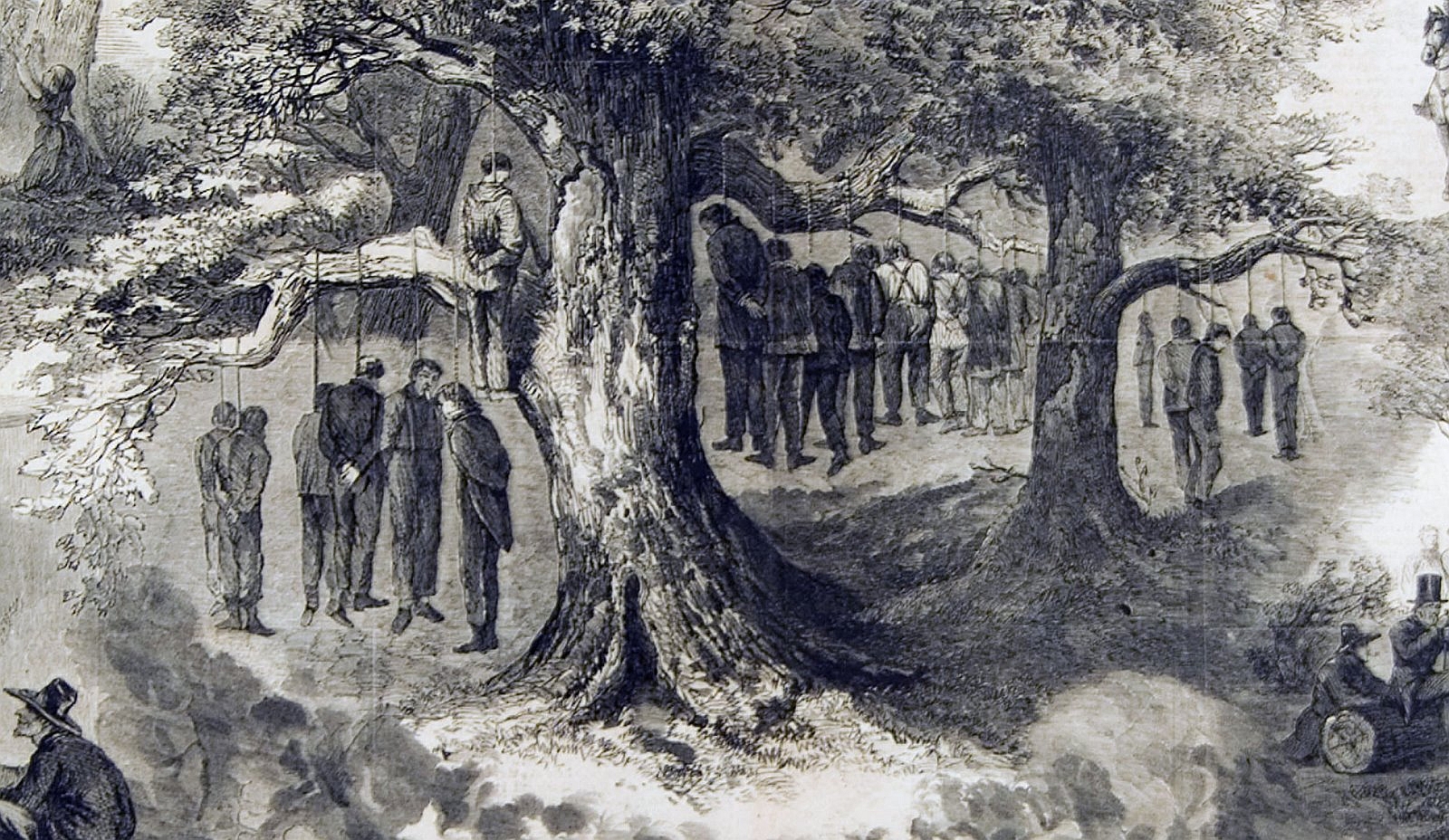
North-central Texas had substantial Unionist sentiment. German immigrants, recent arrivals from Midwestern states, and settlers tied to Northern economic networks formed an anti-secession population large enough to concern Confederate authorities throughout the war. The most notorious consequence was the Great Hanging at Gainesville in neighboring Cooke County: in October 1862, forty alleged Unionists were hanged in Gainesville after a kangaroo-court proceeding, with two others shot attempting escape. The broader region’s total — including subsequent executions in Grayson, Wise, and Denton counties — was higher. It remains one of the largest mass executions in American history and one of the worst episodes of political violence in Texas’s history.
Montague County was less directly involved in the Gainesville events, but the county shared the regional context of Unionist suppression, mistrust between neighbors, and Confederate vigilante violence. Specific MoCo incidents of this kind have not been documented at the level of primary sources; further research is warranted.
Before the War: Federal Frontier Defense
The US Army’s system of frontier forts — Fort Belknap, Fort Cooper, and a chain of posts across west and north Texas — had provided the primary buffer between Anglo-Texan settlement and the Comanche-Kiowa raiding corridor. When Texas seceded, the federal government evacuated those garrisons. Texas had chosen to leave the Union; the Union would not leave its soldiers on Texas soil to be taken prisoner.
The evacuation of the federal forts created an immediate, massive gap in frontier defense precisely when Texas was simultaneously committing its military-aged men to Confederate service far to the east. The combination was predictable in its consequences: without the Army, and without frontier-capable men at home, the raid pressure that had been building since the late 1840s intensified into something the remaining defenses could not answer.
The Frontier Regiment: Texas’s Answer
The Confederate Texas Legislature established the Texas Frontier Regiment in late 1861 specifically to fill the defense gap. It was a state militia force, not part of the Confederate Regular Army — a distinction that produced constant friction between Texas authorities (who wanted the men on the frontier) and Confederate authorities (who wanted them in the main armies east).
The regiment peaked at roughly 1,000 mounted men deployed across the entire western settlement frontier — a line stretching hundreds of miles from the Red River south into west Texas. In Montague County, the regiment established and garrisoned Red River Station, a post approximately nine miles northwest of modern Nocona on the Red River’s south bank. The station served as a crossing surveillance point and patrol base for the northern MoCo frontier.
How well did it work?
Mixed, at best. The Frontier Regiment:
- Was chronically undermanned for the territory it patrolled
- Was irregularly supplied and intermittently paid
- Could intercept some smaller raids and recover some livestock
- Could not prevent the major incidents that defined the era
The regiment’s fundamental problem was arithmetic: too few men, too much frontier, and an enemy operating force large enough to overwhelm any patrol in the field. Confederate conscription made the problem worse each year, as additional men were pulled eastward, further thinning frontier defense.
The Raid Surge
The Civil War years produced the worst sustained Indigenous raiding pressure in Montague County’s history. With federal forts gone and the Frontier Regiment stretched thin, Comanche and Kiowa war parties operated with an effectiveness that would not have been possible in the pre-war frontier defense environment.
The pattern of the early 1860s was constant: small raids in the range of five to twenty warriors targeting isolated homesteads, stock, and travelers; medium parties of twenty to fifty for more organized operations; and occasionally the kind of large combined force that could sweep through a settlement in a day. MoCo’s settlers had constructed fortified positions — Fort Illinois Bend and similar refuges — where communities could shelter, but a fortified position could absorb a raid only if families had time to reach it.
December 1863: The largest raid
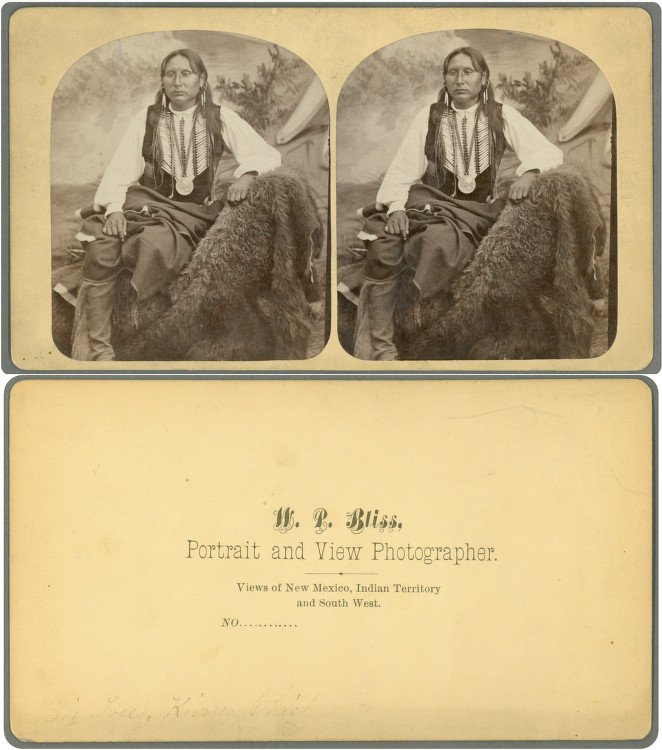
The defining event of the Civil War period in Montague County was the December 21–22, 1863 raid through the Illinois Bend community on the Montague-Cooke County line. A force of approximately 250 Kiowa and Comanche warriors crossed from Indian Territory, moved through the Illinois Bend settlement, killed at least twelve settlers, took captives, and withdrew north across the Red River. Anglo-Texan sources attribute the raid to Kiowa war chief Big Tree (Adoeette). The raid demonstrated, at scale and cost, that the frontier’s defense had broken down. (Full account: The 1863 Illinois Bend Raid.)
The December 1863 raid was not the last. Violence continued through 1864 and into the later 1860s, and by 1867 much of the county had effectively evacuated.
The Draft and Dissent
The Confederate Conscription Act of 1862 required men aged 18–35 (a range later expanded) to register for military service. For Montague County, conscription created a direct conflict between two legitimate threats:
- Confederate authorities in Richmond and Austin wanted able-bodied men for the eastern armies
- Texas frontier communities needed those same men to defend against raids
Some men evaded conscription by hiding in the brush country — the “brush men” of north Texas lore — avoiding Confederate patrols while the frontier ground down around them. Others found or claimed exemptions. The fraction who served in Confederate forces east left communities with fewer defenders, older men, boys, and women carrying the burden of frontier survival.
Economic Contributions
MoCo’s economic role in the Confederate war effort was limited by geography and timing. The county:
- Contributed cattle to Confederate beef drives moving east for army supply (disrupted toward the war’s end)
- Had minimal cotton production — the cotton boom was a postwar phenomenon; the 1860s county was pre-cotton in any commercial sense
- Supplied livestock and hides as frontier products for military use
- Had no industrial base — no factories, no arms production, no rail access
The county’s primary contribution was the men it sent into Confederate service, and the primary cost was the frontier’s exposure that followed their departure.
Emancipation and the 34 Enslaved People of MoCo
Federal General Order No. 3, read at Galveston on June 19, 1865 — now commemorated as Juneteenth — freed Texas’s enslaved population. The 34 enslaved people documented in Montague County’s 1860 census (and those who may have been added through the war years) were emancipated.
What happened to those individuals and families is a major documentation gap in Montague County’s recorded history. The questions their stories raise — whether they remained in MoCo as freedpeople, whether they formed settlements or communities, what economic options they could access in a county that had suppressed Unionism and was rapidly becoming a sundown-county environment in the Reconstruction decades — have not been answered from primary sources. This is a designated research priority. The African American history of Montague County through the emancipation and Reconstruction period requires dedicated archival work with Freedmen’s Bureau records, county court records, and church archives.
The Confederate Veterans’ Return
Confederate men began returning to Montague County in the summer of 1865. They came home to depleted farms, damaged communities, and a frontier conflict that had not ended with Appomattox. The Comanche-Kiowa raids continued through 1875 — nearly a decade after Confederate surrender — and the economy remained disrupted by the intersection of Reconstruction-era politics, cotton market recovery, and the ongoing frontier violence.
The Bowie Pelham Camp, No. 572, United Confederate Veterans, organized in 1895 with approximately 102 members, reflects the postwar community memory. The camp purchased 27.5 acres east of Bowie in 1901, built facilities for annual reunions, and maintained the Confederate veteran identity well into the 20th century — a cultural fact about how MoCo understood its Civil War experience, and a reminder that the Lost Cause narrative was not simply a Southern phenomenon but a very local one.
The Big Picture
Montague County’s Civil War was a frontier war. The county sent its men east and the frontier burned at home. The population figures are the cleanest summary: 849 in 1860, 890 in 1870 — essentially flat over a decade that should have seen growth. Behind that flat line was a decade of raid pressure, evacuations, Confederate service deaths and disablements, and the kind of grinding frontier attrition that doesn’t generate the dramatic records the eastern theater left behind.
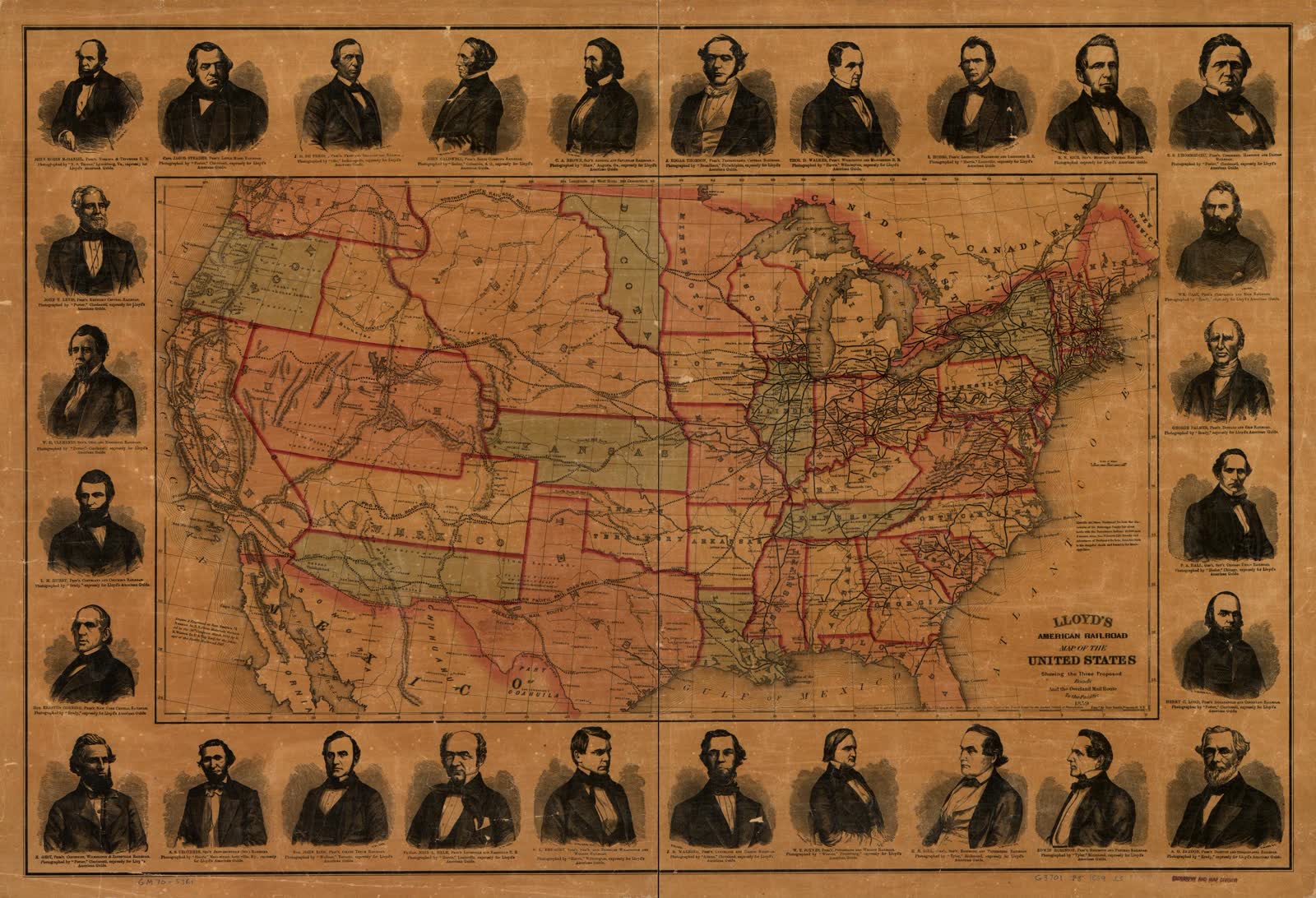
The end of the war brought emancipation and the beginning of recovery. But it did not end the frontier conflict, and the cotton-and-railroad era that defined MoCo’s late 19th-century identity did not begin until the raids had stopped and the railroad had arrived — both of which happened in the 1870s and early 1880s, not in 1865.
Related pages: The 1863 Illinois Bend Raid · Comanche Raiding Routes Through Montague County · Buffalo Hunters on the Red River · Reconstruction Violence · Frontier Era Index
Sources: TSHA Handbook of Texas (“Frontier Regiment,” “Red River Station,” “Great Hanging at Gainesville” — 40 hanged confirmed); Texas State Library and Archives Commission, Confederate Records; Mrs. W.R. Potter, History of Montague County (1913). Confederate enlistment records and MoCo-specific vigilante incidents are not documented in available published sources and require primary archival research.