HISTORY

Frontier

The county organized, Bowie founded along the railroad, the Chisholm Trail drove through, and the first boot shop opened in Nocona. Forty years of cattle, dust, and settlement.

Frontier

The 1863 Illinois Bend Raid — Kiowa and Comanche Attack on Montague County's Frontier

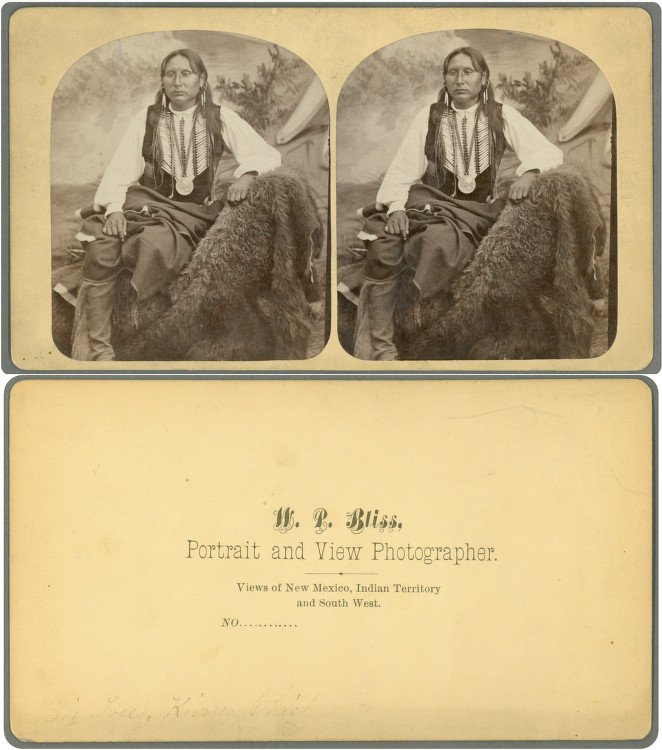
In December 1863, approximately 250 Kiowa and Comanche warriors swept through Illinois Bend along the Montague-Cooke County line, killing at least a dozen settlers and accelerating the near-evacuation of Montague County. The raid is attributed to Kiowa war chief Big Tree (Adoeette) and remains the most documented single Indigenous military action in the county's recorded history.

Frontier

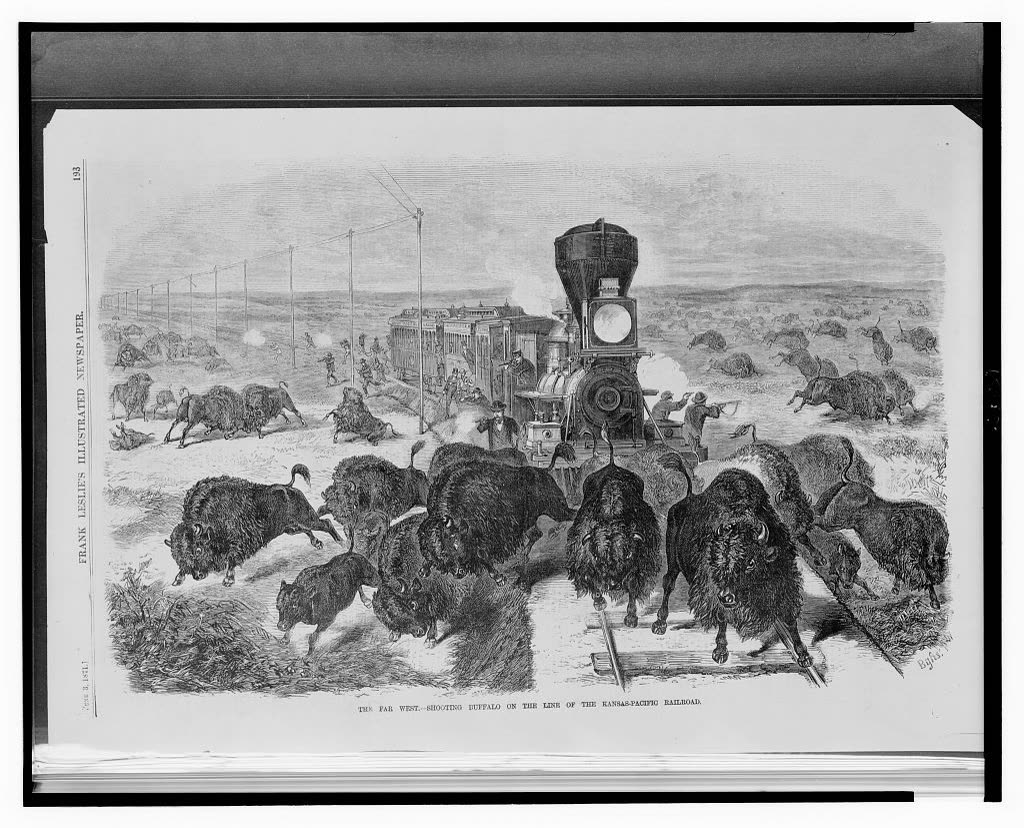
Buffalo Hunters on the Red River: The 1870s Hide Trade in Montague County

The destruction of the southern bison herd between 1872 and 1878 was one of the most consequential ecological events in 19th-century North America. Montague County sat at the eastern edge of southern bison range — a peripheral participant in the hide trade, but fully affected by the collapse that ended the Comanche-Kiowa subsistence economy and opened the county to the cattle and cotton era.

Frontier

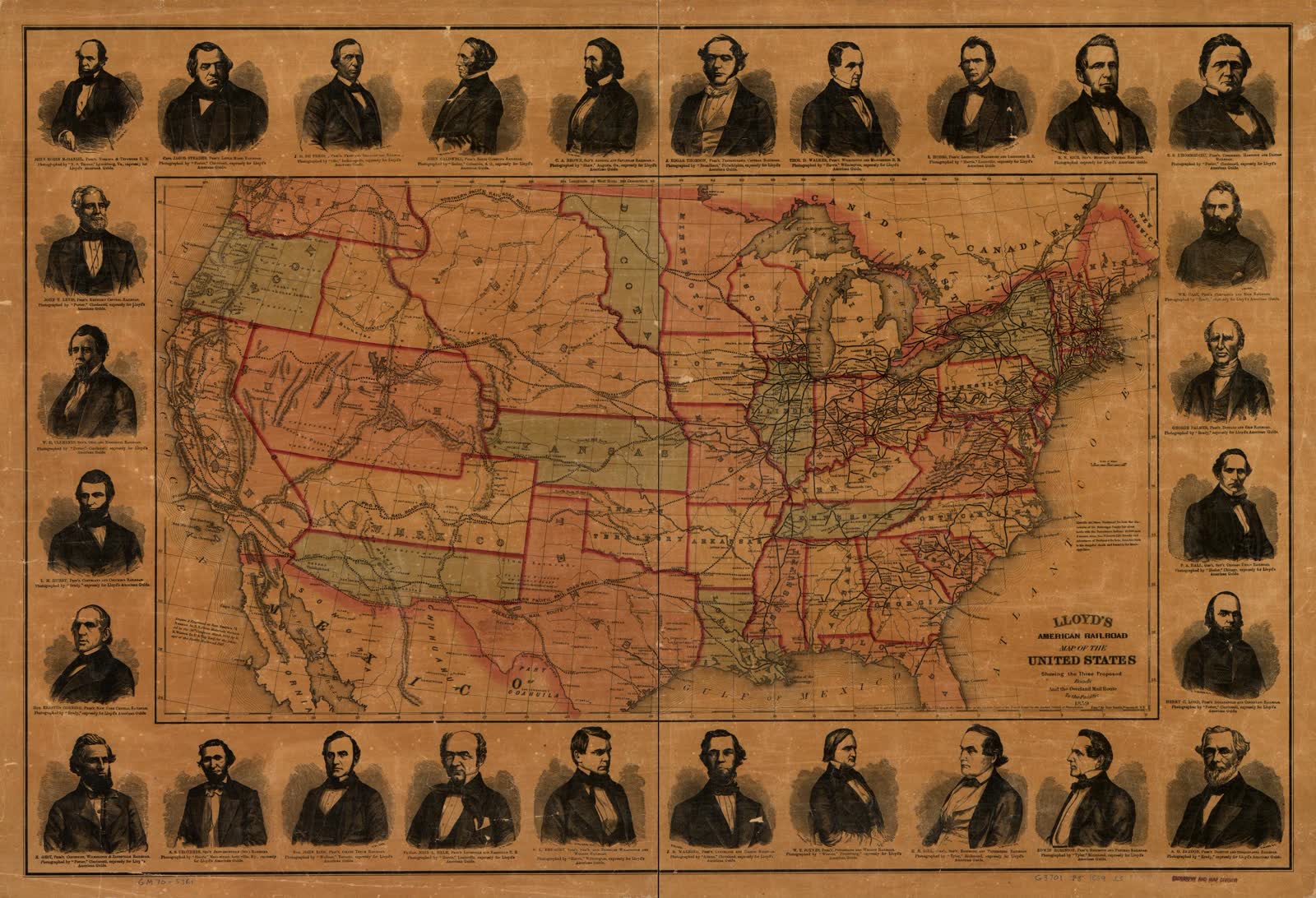
The Butterfield Overland Mail in Montague County (1858–1861)

From September 1858 to March 1861, the Butterfield Overland Mail carried passengers and letters from St. Louis to San Francisco along a 2,800-mile southern route that passed through the region of present-day Montague County — the first scheduled transcontinental mail and passenger service to run through North Texas.

Frontier

The Civil War on the Montague County Frontier (1861–1865)

Montague County's Civil War was not fought in Virginia or Tennessee. It was fought at home: four years of drained defenses, intensifying Comanche and Kiowa raids, political terror, and population collapse. Confederate service pulled men east while the frontier burned behind them.

Frontier

Comanche Raiding Routes Through Montague County

For roughly three decades — the 1840s through 1875 — Montague County sat astride one of the most heavily traveled raiding corridors in North America. Comanche and Kiowa war parties moving south from Indian Territory used the Red River crossings and Cross Timbers prairie corridors of present-day MoCo as both route and target on raids that ranged deep into Texas and into Mexico.

Frontier

The Jacksboro Trial (1871): The First Civil Court Prosecution of Native American War Leaders in Texas

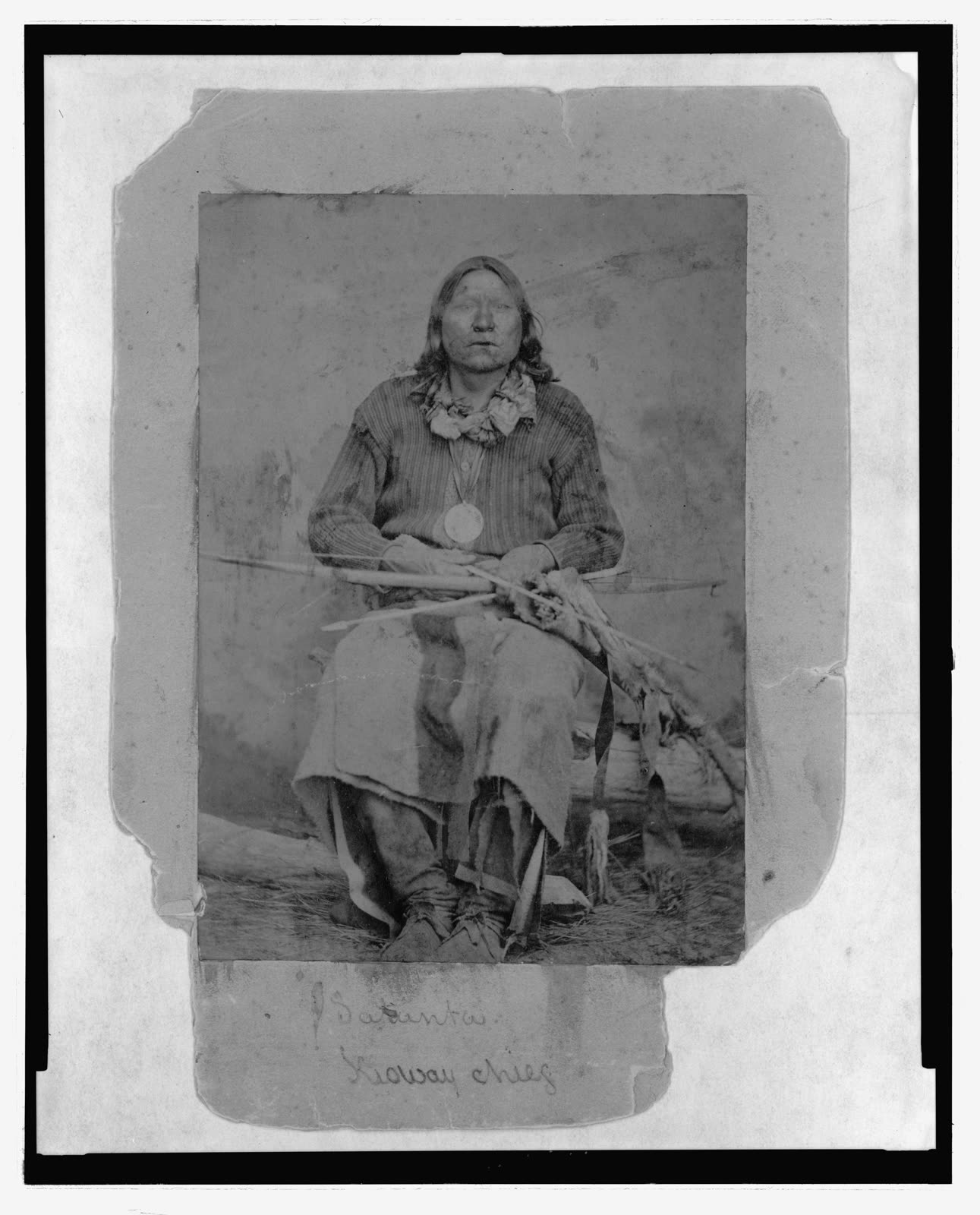
In July 1871, Kiowa chiefs Satanta and Big Tree (Adoeette) were tried before Judge Charles Soward in the Jacksboro courthouse, Jack County, Texas — the first time Native American leaders had been prosecuted in a civil court under Texas state law for acts of warfare. Both were convicted and sentenced to death; both sentences were commuted to life imprisonment. This outer-context spoke covers the trial's background, proceedings, and lasting historical significance for Montague County's frontier cluster.

Frontier

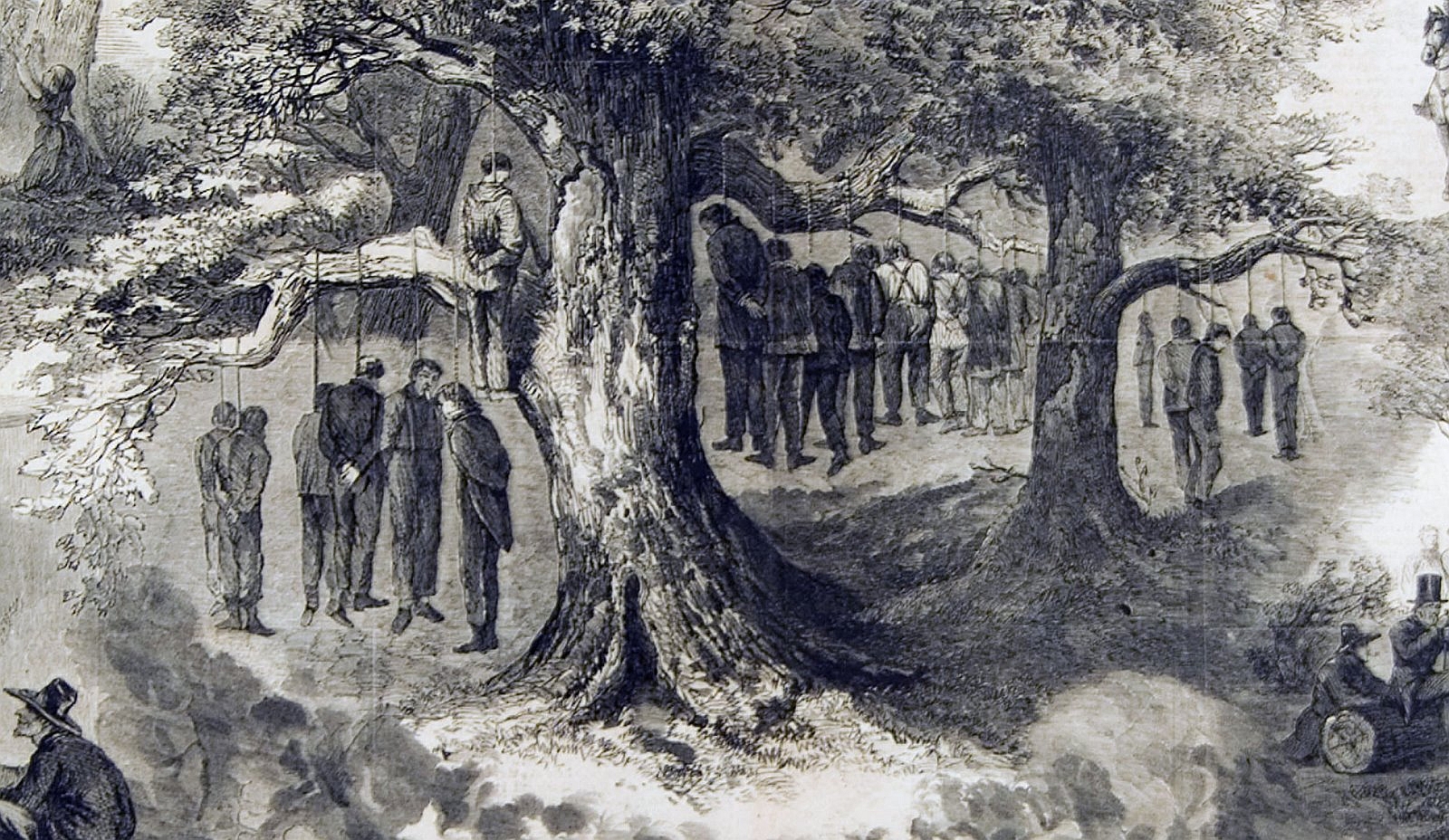
Reconstruction-Era Violence in Montague County (1865–1876)

After the Civil War, Montague County endured overlapping layers of disorder: continuing Comanche and Kiowa raids from the west, post-war political and personal violence within Anglo-Texan society, and the disruptions of a forced demographic and economic transition. This spoke documents the decade of unrest from 1865 to 1876.

Frontier

Red River Station: Confederate Post, Chisholm Trail Crossing, and Ghost Town

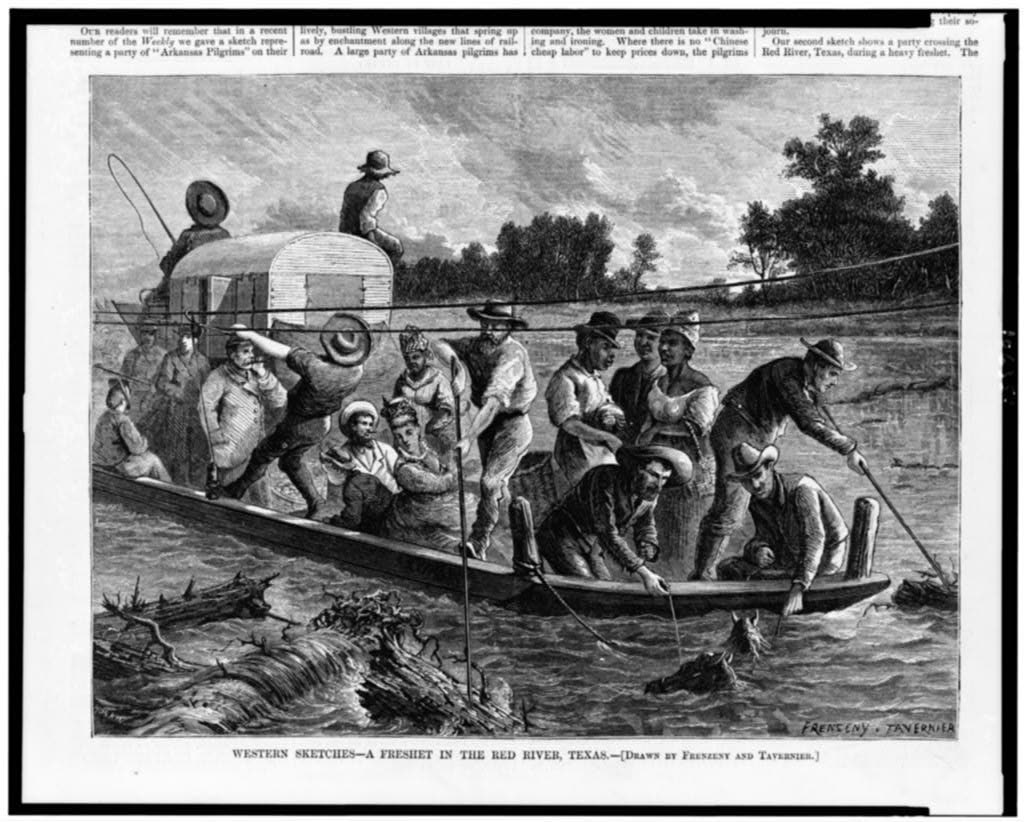
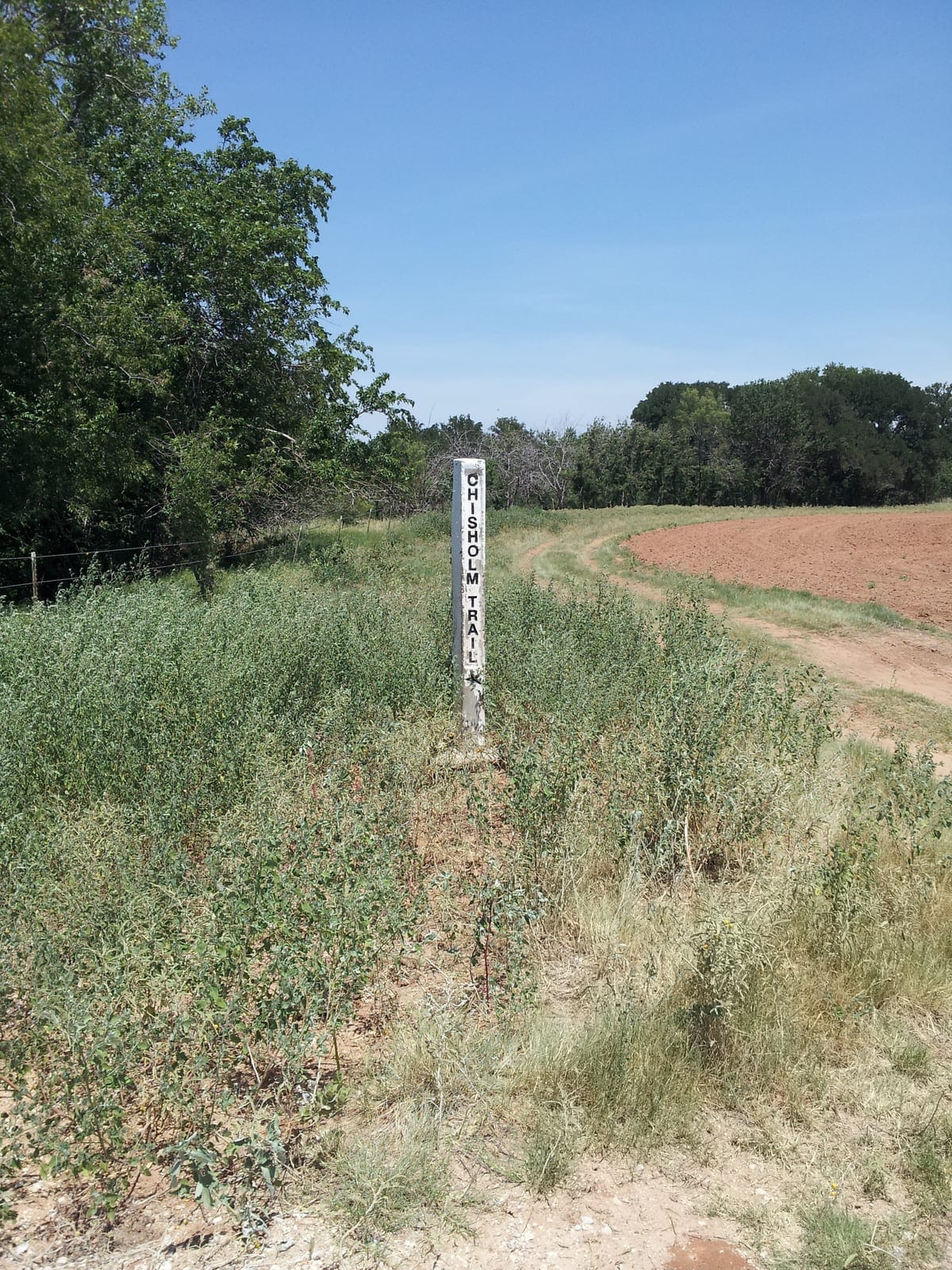
Nine miles northwest of modern Nocona, Red River Station was established as a Confederate Frontier Regiment watch post in 1861, became the principal Texas-side ford of the Chisholm Trail from 1867 to the mid-1880s, and then vanished when the railroad made the overland cattle drive obsolete. This spoke draws on the deep 6,485-word research node for Red River Station.

Frontier

Texas Rangers in Montague County: Frontier Defense and the Post-Raid Transition

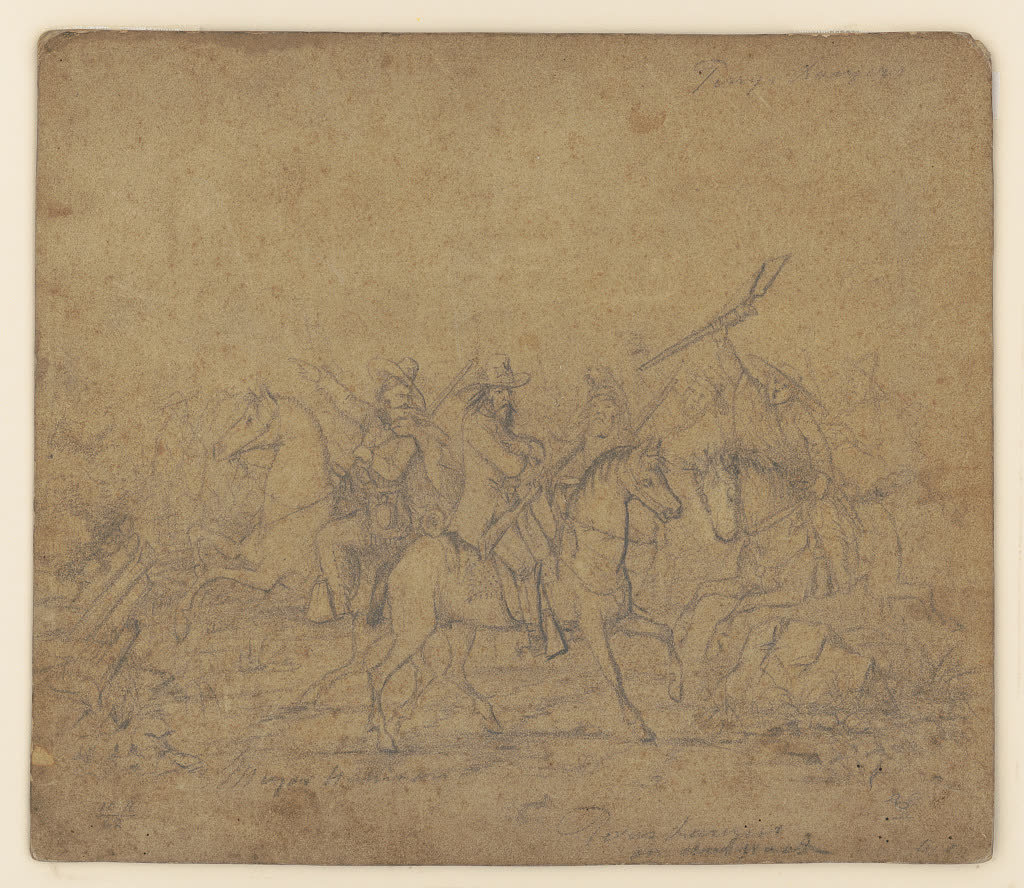
The Texas Rangers were part of Montague County's frontier story from the pre-Civil War era through the 1880s. This spoke documents their role in raid pursuit, the Reconstruction-era gap when formal Ranger operations lapsed, and the Frontier Battalion's post-1874 shift from frontier defense to outlaw pursuit in MoCo.

Frontier

The Warren Wagon Train Raid (1871): Kiowa Attack on the Texas Frontier

On May 18, 1871, a combined Kiowa and Comanche war party attacked a government supply wagon train on Salt Creek Prairie in Young County, Texas, killing seven teamsters. The raid — led by Kiowa chiefs Satanta, Satank, and Big Tree — set in motion the first civil-court prosecution of Native American war leaders in American history. This outer-context spoke explains the event's significance for Montague County's frontier cluster.