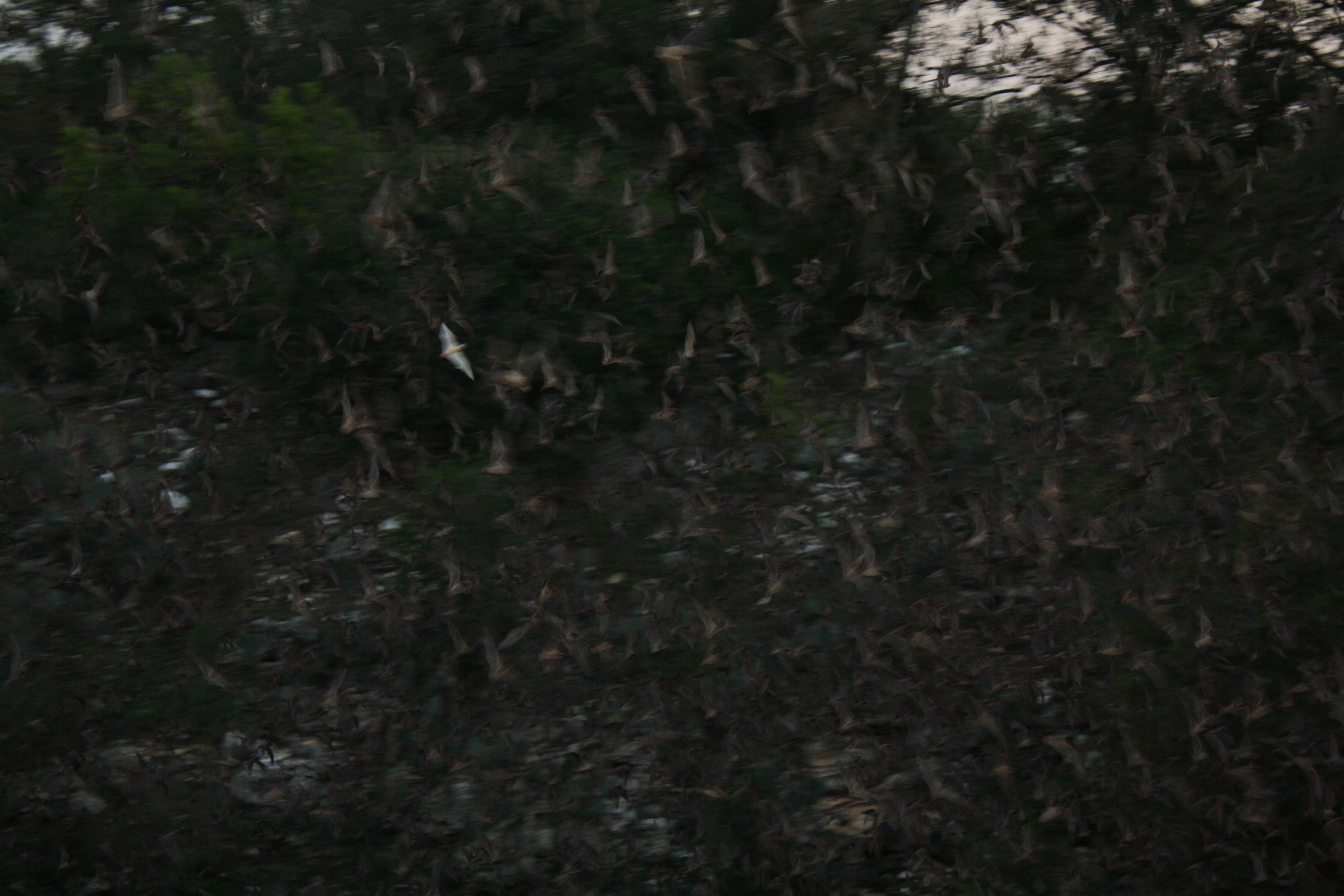
Twice a year, Montague County is visited by birds that breed in the Arctic and winter in Argentina — species whose annual round trip covers 10,000 miles or more, and whose passage through north-central Texas lasts only days or weeks before the next leg carries them on. Most MoCo residents miss the peaks entirely. For those who watch for them, the Central Flyway migration turns an ordinary county into something larger: a piece of the longest wildlife movement on the continent.
The Central Flyway and Where MoCo Fits
North American migratory birds move along four broad corridors — the Pacific, Central, Mississippi, and Atlantic flyways. Montague County is in the Central Flyway, which funnels birds through the Great Plains from the Canadian prairie provinces and the Alaska north slope south through Texas to Mexico and beyond.
MoCo’s position within the flyway is specific. The Texas Panhandle and rolling plains concentrate a substantial fraction of Central Flyway birds as the broad northern breeding range narrows toward the Texas-Mexico corridor. North of the county, the Red River acts as an east-west landmark — and a partial east-west migration corridor in its own right, since rivers provide the water, structure, and food resources that exhausted migrants need. Birds moving south-southwest off the plains encounter the Red River corridor running along MoCo’s northern edge before dispersing further into the interior of north-central Texas.
The practical effect: MoCo gets two migration waves per year — the spring northbound push from March through May, and the fall southbound push from August through November — with resident bird life as the constant backdrop.
Spring Migration: March Through May
Spring migration in MoCo follows a predictable calendar, though weather compresses or expands individual windows:
February–early March: American robins return in numbers; meadowlarks sing on fence wires; sandhill cranes begin their northward push, audible overhead before they’re visible.
Mid-March through April: Waterfowl — northern pintails, mallards, blue-winged teal — move north through MoCo’s lakes and ponds. Tree swallows and scissor-tailed flycatchers begin arriving. Scissor-tails on April fence wires are the county’s most reliable spring signal.
April: Peak songbird movement. Neotropical migrants — warblers, vireos, tanagers, orioles, buntings — move through in waves driven by weather systems. Painted and indigo buntings arrive on breeding territories; MoCo’s brushy Cross Timbers is primary painted bunting breeding habitat. Ruby-throated and black-chinned hummingbirds arrive in mid-April.
May: Last neotropical migrants clear through; the summer breeding fauna settles in.
The “fallout” phenomenon — when north-bound birds exhausted from a Gulf of Mexico crossing drop into the first trees they encounter — is most famous on the Texas coast. Inland counties like MoCo can have smaller versions when spring storms push migrant flocks to the ground. A big weather system in late April can fill every oak tree in the county with warblers for a day or two.
Fall Migration: August Through November
Fall is the larger migration in raw bird numbers — the breeding season’s offspring add to adult populations, and the entire summer’s output is moving south at once.
Early–mid August: Post-breeding shorebirds begin moving; yellow warblers depart breeding territories. This early movement is quiet and easy to miss.
September: Major songbird movement begins. Cold-front passages bring overnight waves of warblers, flycatchers, and vireos moving south. Mississippi kites — a common MoCo summer breeder — assemble in pre-migratory flocks and push south. Hummingbird migration peaks: ruby-throated and rufous hummingbirds move through simultaneously in September.
This is also the month of the Swainson’s hawk migration, one of the Central Flyway’s most spectacular events. Swainson’s hawks breed across the Great Plains and winter in the Argentine Pampas — one of the longest raptor migrations on Earth. In September and October, they move in “kettles” of dozens to hundreds of birds, spiraling on thermal updrafts before gliding south. A good kettle over MoCo is a legitimate wildlife spectacle.
October: Waterfowl push begins in earnest as cold fronts move through. Sandhill cranes pass over — often at high altitude, announcing themselves with the rolling “garoo, garoo” call before they come into view. Cedar waxwings arrive to eat juniper berries. White-throated sparrows and dark-eyed juncos settle into winter territories.
November: Heavy waterfowl pulse continues. Canada geese winter on the county’s lakes and larger stock ponds. Pintails, gadwall, wigeon, and mallards concentrate on Lake Amon G. Carter and Lake Nocona.
Fall is the season that overlaps with MoCo’s dove and waterfowl hunting calendar, making the migration economically as well as ecologically significant.
Sandhill Cranes
Sandhill cranes are the Central Flyway’s most charismatic migrants. Tall, gray-bodied, with the distinctive red crown patch of the adult bird, they move in spring and fall flocks that can number in the thousands. The major staging areas are in Nebraska’s Platte River valley (the world-famous spring staging) and the Texas Panhandle’s playa-lake country.
MoCo is not a major sandhill crane stopover — the playa-lake country and large agricultural expanses the cranes prefer are to the west. But flocks regularly pass over the county in October and March, often calling continuously at high altitude. On a clear October evening, walking outside and listening for the rolling, bugling call overhead is one of the more reliable wildlife experiences MoCo offers. The birds may be a thousand feet up and invisible in the fading light, but the sound is unmistakable.
Waterfowl on MoCo Lakes and Ponds
Lake Amon G. Carter, Lake Nocona, and the thousands of stock ponds on rural MoCo properties all host migrating and wintering waterfowl from October through March. The ducks and geese using MoCo breed on the Canadian prairie pothole country and the Alaska north slope — the same core Central Flyway breeding range that fills the continent’s duck populations each summer.
Species on MoCo water in winter include mallard, gadwall, American wigeon, northern pintail, northern shoveler, blue-winged teal, green-winged teal, redhead, ring-necked duck, bufflehead, and hooded merganser, among others. Canada geese winter in good numbers; snow geese and greater white-fronted geese (“speckle-bellies”) pass through in large flocks. Wood ducks — the year-round residents of MoCo’s bottomland timber — are joined by these northern migrants to create the season’s most concentrated waterfowl activity.
Stock-pond and small-water duck hunting on private leases is a quiet but consistent part of MoCo’s seasonal outdoor economy, separate from the larger-scale managed waterfowl operations found on the Texas coast.
Neotropical Songbird Migration
The largest single block of migrating species through MoCo is the neotropical songbird group — warblers, vireos, tanagers, orioles, flycatchers, buntings, and thrushes moving between North American breeding territories and Latin American wintering grounds. In spring (April through early May), these birds move through in a concentrated wave that can transform a patch of MoCo timber. A single oak-lined creek bottom can hold a dozen warbler species on the same morning in late April.
Key spring migrants include black-and-white warbler, yellow warbler, prothonotary warbler, yellow-breasted chat, red-eyed vireo, summer and scarlet tanager, Baltimore oriole, painted bunting, indigo bunting, and wood thrush. Fall movement brings the same species in reverse, often in duller plumage and with juveniles making their first southbound crossing.
Conservation Context
Central Flyway bird populations have seen major declines over the past 50 years. The 2019 Science paper by Rosenberg and colleagues documented a net loss of 3 billion birds in North America since 1970. Central Flyway grassland birds — meadowlarks, dickcissels, grasshopper sparrows, lark buntings — are among the steepest-declining groups, driven by conversion of native prairie to row crops and monoculture pasture. Aerial insectivores — swallows, swifts, nighthawks — are declining globally with insect populations. Bobwhite quail are at historic lows across the South.
Against these losses: some raptors are stable or recovering (bald eagle populations have rebounded dramatically), sandhill cranes are stable, and some duck species remain robust.
The migration through MoCo is a reminder of what connects this county to the rest of the continent — and to the policy and land-use decisions made in Canada, the Dakotas, and the Yucatán that determine whether the birds passing through MoCo twice a year continue to do so.
When and Where to Watch
For a MoCo resident or visitor:
- March: Listen overhead for sandhill cranes; watch fence wires for first scissor-tailed flycatchers.
- April: Brushy roadside birding can produce painted buntings, indigo buntings, summer tanagers, and vireos. Lake margins host shorebirds and migrating ducks.
- May: Last warblers move through; resident breeders settle in.
- September: Mississippi kites assemble; Swainson’s hawk kettles are possible on thermal days; first sparrows arrive from Canada.
- October–November: Peak waterfowl, sandhill cranes audible overhead, raptor passage.
- December–February: Wintering ducks on the lakes; bald eagles possible on the Red River and at Lake Amon G. Carter; juncos and white-crowned sparrows at feeders.
Lake Amon G. Carter, Lake Nocona, and the Red River access points near Spanish Fort and Belcherville are the county’s most consistent birding locations. The county’s rural roads — driven slowly at dawn — produce the day-to-day migration tally as reliably as any single hotspot.
Related pages: Native Birds of Montague County · Monarch Butterfly Migration · Red River Ecology · Lake Nocona
Sources: USFWS Central Flyway Management; eBird / Cornell Lab of Ornithology; BirdCast real-time migration forecasts; Rosenberg et al. (2019), “Decline of the North American avifauna,” Science 366. Flyway structure and major species are well-documented in these sources; MoCo-specific stopover detail is documented but incomplete, pending BirdCast historical data and Christmas Bird Count records.