Sourcing Note: Belcherville ghost stories derive entirely from oral accounts and pattern-level folklore documentation. No contemporary newspaper, county record, or primary historical source corroborates any specific paranormal claim in this article. The underlying research file explicitly rates all haunting claims as requiring oral history field work before any specific account can be attributed to a named source.
Confidence tier: Oral tradition only; limited corroboration
Belcherville the Ghost Town
Belcherville is a small unincorporated community along US-82 between Saint Jo and Nocona in northern Montague County. It is not a legend — it is a real, still-occupied place. But its reduced state today, its visible remnants of a busier past, and its aging cemetery give it the atmosphere that Texas communities in slow decline almost always generate: a sense of historical weight that some visitors and residents interpret in supernatural terms.
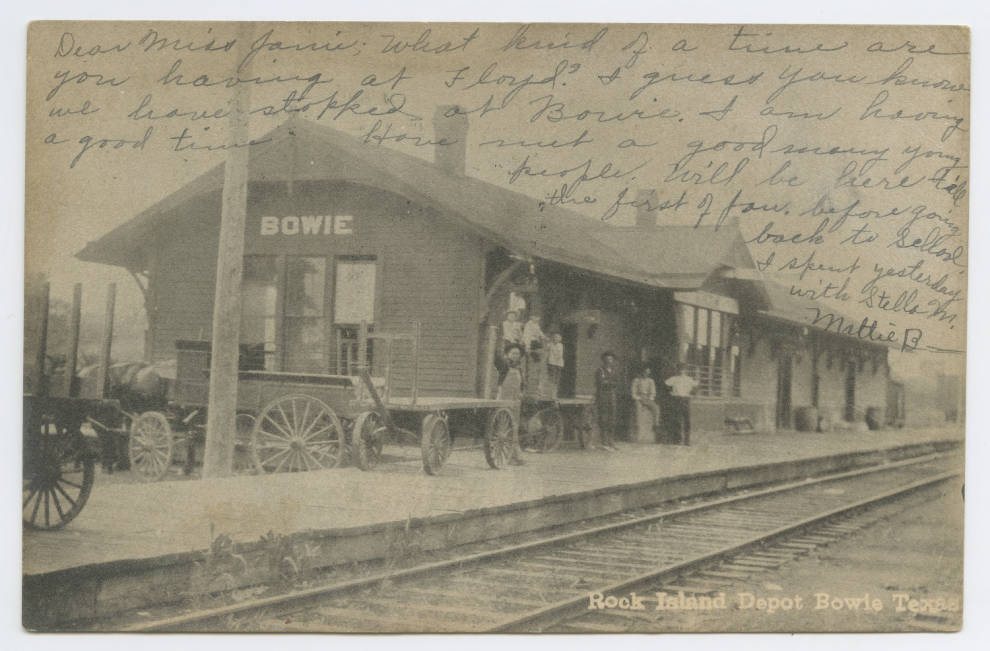
The community has roots in the late nineteenth century. Rail arrival brought modest growth, and the surrounding hills developed into an orchard belt — apple and peach country — that made Belcherville part of Montague County’s agricultural story during the cattle-cotton-oil era. The community at its peak likely held a few hundred residents. By the mid-twentieth century, a long decline was underway. Today a small number of people remain, some historic structures stand in varying condition, and the cemetery contains graves from the community’s more active years.
Belcherville is not a ghost town in the strict sense of the word — nobody has left and the buildings have not entirely fallen. It is a community that has contracted severely, and contraction of that kind generates exactly the atmosphere from which ghost-story tradition grows.
The Stories
No specific named hauntings with documented provenance have been identified in the available research for Belcherville. All paranormal claims have limited documentation, and every specific haunting account remains unverified — oral tradition only, not yet attributable to a named source or incident.
What the research does document is the pattern of stories that attach to communities like Belcherville, presented here as folklore documentation rather than factual claim.
The category of architectural ghost — unexplained sounds in empty buildings, doors that open without apparent cause, footsteps where no one is present — is the most commonly reported type at declining Texas communities. Belcherville’s old structures and vacant lots create the visual and sonic conditions that the human perceptual system routinely interprets as such phenomena. Whether specific residents or visitors have reported such experiences in Belcherville, and whether those reports carry any consistent detail, is a question the available sources cannot answer. That work belongs to a community oral history project, not to the current available sources.
Cemetery activity is reported at virtually every historic Texas cemetery with older sections and weathered markers whose inscriptions have faded. Belcherville’s cemetery has those characteristics. Reports of unusual experiences at the cemetery are consistent with the regional pattern, but no documented account with a named source has been identified for this specific location.
Stories involving figures from the community’s economic past — railroad workers, orchard workers, family farmers — occasionally attach to communities whose economic character is visible in the landscape even after the activity has ceased. Whether such figures appear in Belcherville’s oral tradition is unknown at this research stage.
What the Record Shows
Three claims about Belcherville are verifiable and documented:
Location and geography: Belcherville lies along the US-82 corridor between Saint Jo and Nocona, confirmed by map sources and current research.
Orchard and railroad heritage: The community’s late nineteenth-century founding connected to rail arrival, and the surrounding terrain was part of Montague County’s documented orchard belt. These facts are anchored in regional history.
The cemetery: A cemetery with older graves exists. Its specific documented history — who is buried there, what notable events it records — has not been independently verified in available sources.
Everything else in this article — the ghost stories, the atmospheric interpretations, the implied supernatural tradition — belongs to oral tradition and pattern-level folklore documentation. No primary source confirms any specific paranormal claim.
Visiting Belcherville
A modern visitor to Belcherville will encounter a quiet rural landscape: old structures in varying stages of preservation, a cemetery with weathered markers, the remnants of the orchard country that once defined this stretch of north Montague County, and the kind of stillness that dense vegetation, railroad-era grid streets, and sparse current occupation produce together.
Whether a visitor experiences that stillness as atmospheric, melancholy, or uncanny is a matter of individual perception. The physical place — the buildings, the cemetery, the US-82 corridor — supports the folklore that attaches to it. The lore itself, lacking a specific documented source, belongs to the same category as most ghost-town oral tradition in Texas: culturally real, emotionally resonant, and not subject to verification against the documentary record.
For documented ghost-town and haunting lore with more research depth, the Spanish Fort ghost town lore article covers a site with a substantially richer documented history underlying its oral tradition. The Folklore hub indexes all oral-tradition entries in the MoCo collection.
Confidence Notes
Low confidence applies to this entire article. The confidence rating reflects the research depth available, not a judgment about whether Belcherville’s residents or visitors have had unusual experiences.
- Confirmed: Belcherville’s location, orchard and railroad heritage, and status as a declining community are all documented.
- Oral tradition only: All specific haunting accounts — architectural ghosts, cemetery phenomena, historical-figure apparitions — are unverified oral tradition without primary-source corroboration.
- No primary documentation: No newspaper account, county record, or identified written source documents any specific paranormal claim at Belcherville.
- Pattern-based content: Much of what is described here is derived from the type of stories that attach to communities like Belcherville, not from documented accounts specific to this place. That distinction matters and is stated directly.
The cultural significance of Belcherville as a declining community — and the folklore that decline generates — is real. The specific ghost stories, if they exist in oral circulation, have not yet been captured in any accessible archive.
Sourcing Notes
No primary historical sources were identified for any paranormal claim at Belcherville. Belcherville’s orchard and railroad heritage anchors derive from the Montague County regional history record. All ghost-story content is pattern-level folklore documentation and oral tradition; specific accounts have not yet been captured in any accessible archive.