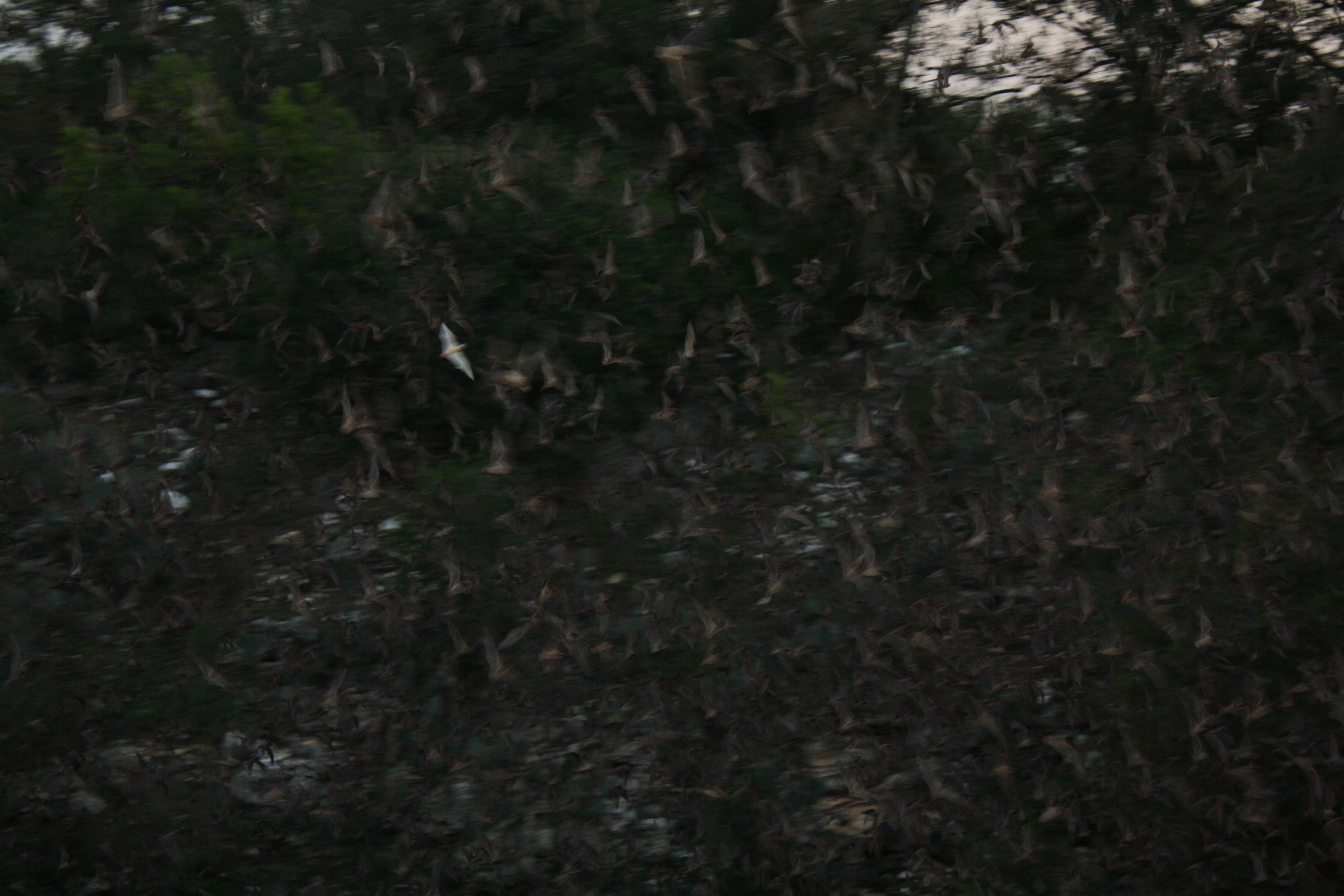
Spring migration in Montague County runs roughly from early March through late May, when the Central Flyway’s northbound traffic peaks and then quiets as birds settle into breeding territories. The county’s position — Cross Timbers woodland meeting open prairie, with the Red River corridor running east-west along the northern edge — makes it a productive stopover zone for a wide variety of species moving between Latin American wintering grounds and North American breeding areas.
The Spring Window
February–early March brings the first returners: American robins move north in loose flocks, meadowlarks begin singing on fence wires, and sandhill cranes pass over heading north, often calling at altitude before they come into view. These are the advance wave.
Mid-March through April is the core waterfowl window. Northern pintails, mallards, and blue-winged teal move through MoCo’s lakes and stock ponds heading north. Tree swallows arrive. The most reliable spring signal in the county: scissor-tailed flycatchers appearing on April fence wires, looking almost absurdly long-tailed against the north Texas sky.
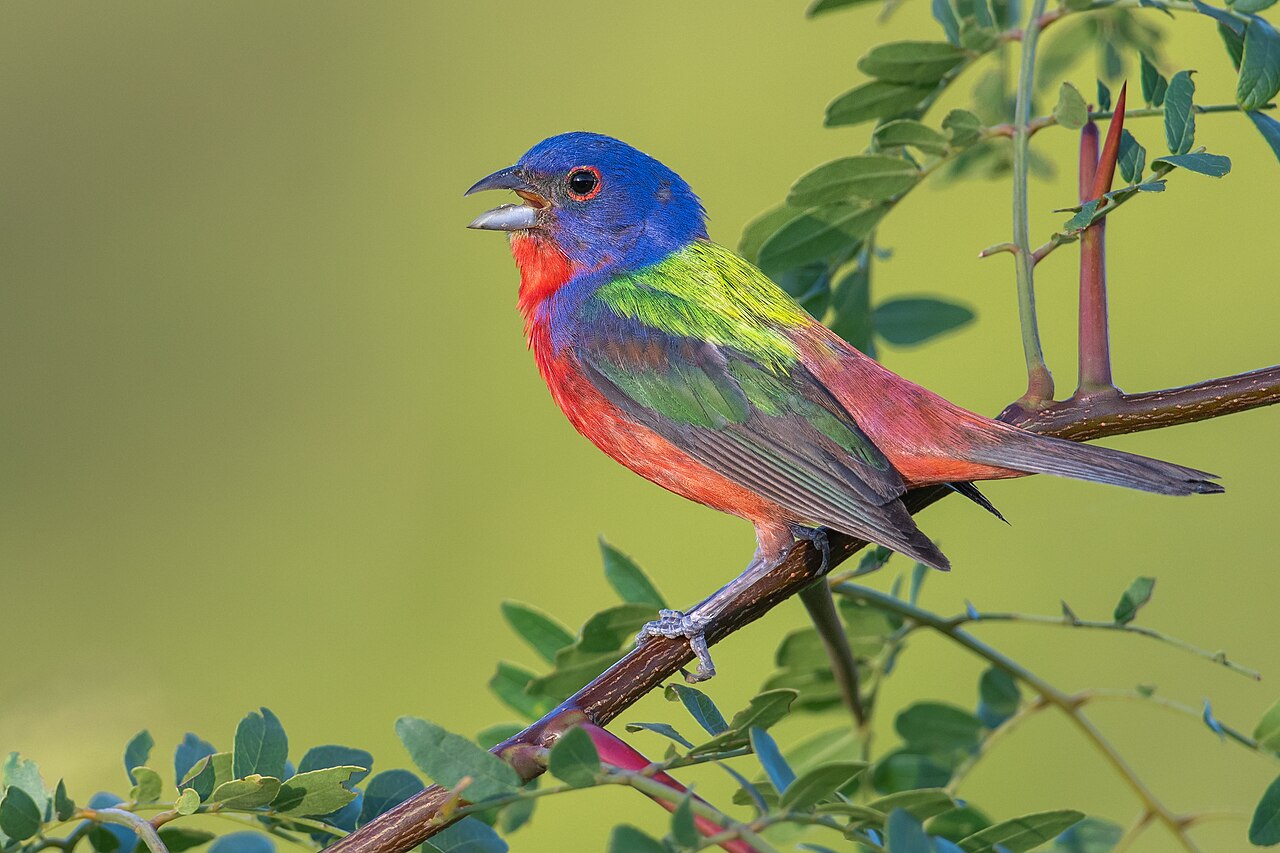
April is the peak for neotropical songbirds. Warblers, vireos, tanagers, orioles, and buntings move through in waves timed to weather systems. Painted buntings — the male one of the most vivid birds in North America — arrive to establish breeding territories in MoCo’s brushy Cross Timbers edge habitat. Indigo buntings come through at the same time, sometimes in the same thickets. Ruby-throated and black-chinned hummingbirds arrive mid-month.
May sees the last neotropical migrants clear through before the summer breeding fauna settles in.
Why Montague County Gets These Birds
The Central Flyway funnels birds along the Great Plains corridor from Canadian and Arctic breeding grounds south through Texas. MoCo sits at a point where the broad northern breeding range narrows toward the Texas interior. The Red River acts as an east-west landmark birds follow before dispersing further south. The county’s Cross Timbers woodland provides the stopover cover — insect-rich oak canopy, brushy creek bottoms, and wooded hedgerows — that exhausted migrants need.
A spring weather system pushing northbound migrants to the ground can fill every oak in the county with warblers for a day or two. These “fallout” events are smaller-scale versions of the coastal concentrations the Texas coast is known for, but can be dramatic nonetheless.
Where to Watch
Lake Amon G. Carter and Lake Nocona for waterfowl and shorebird staging. Brushy roadsides and creek-bottom timber for songbirds — driven slowly at dawn, the county’s rural roads are as productive as any designated hotspot. The Red River access points near Spanish Fort and the Illinois Bend area for broader landbird movement.
For the full two-season migration account, see Migratory Birds and the Central Flyway.
Related: Migratory Birds | Native Birds | Monarch Butterfly