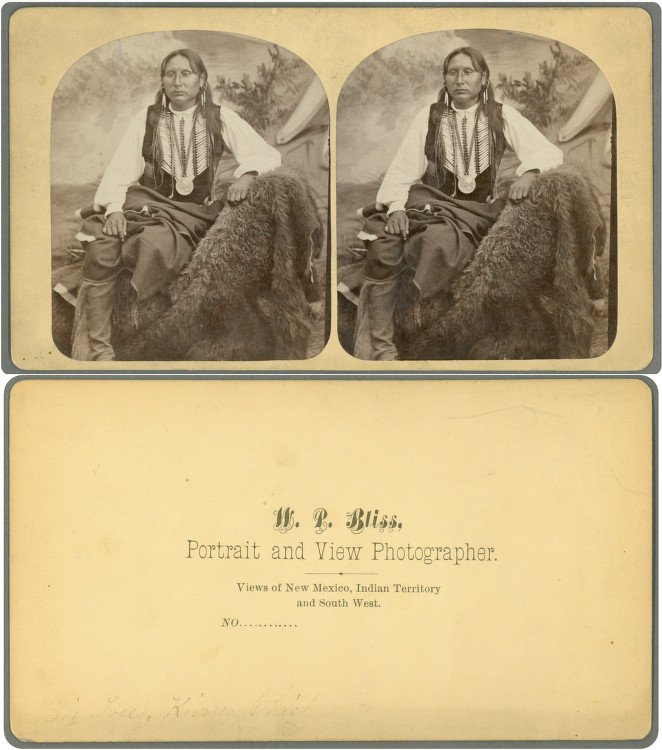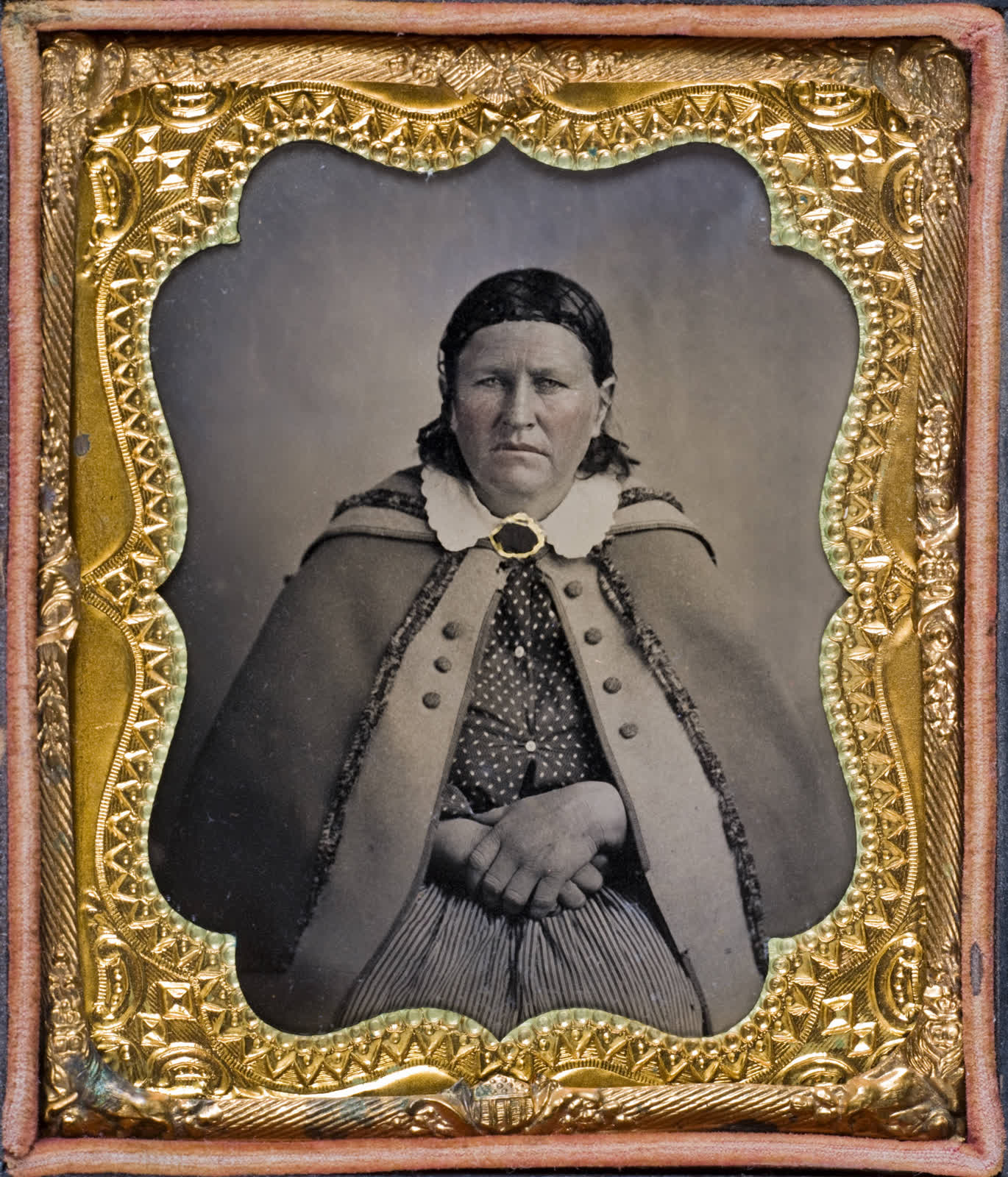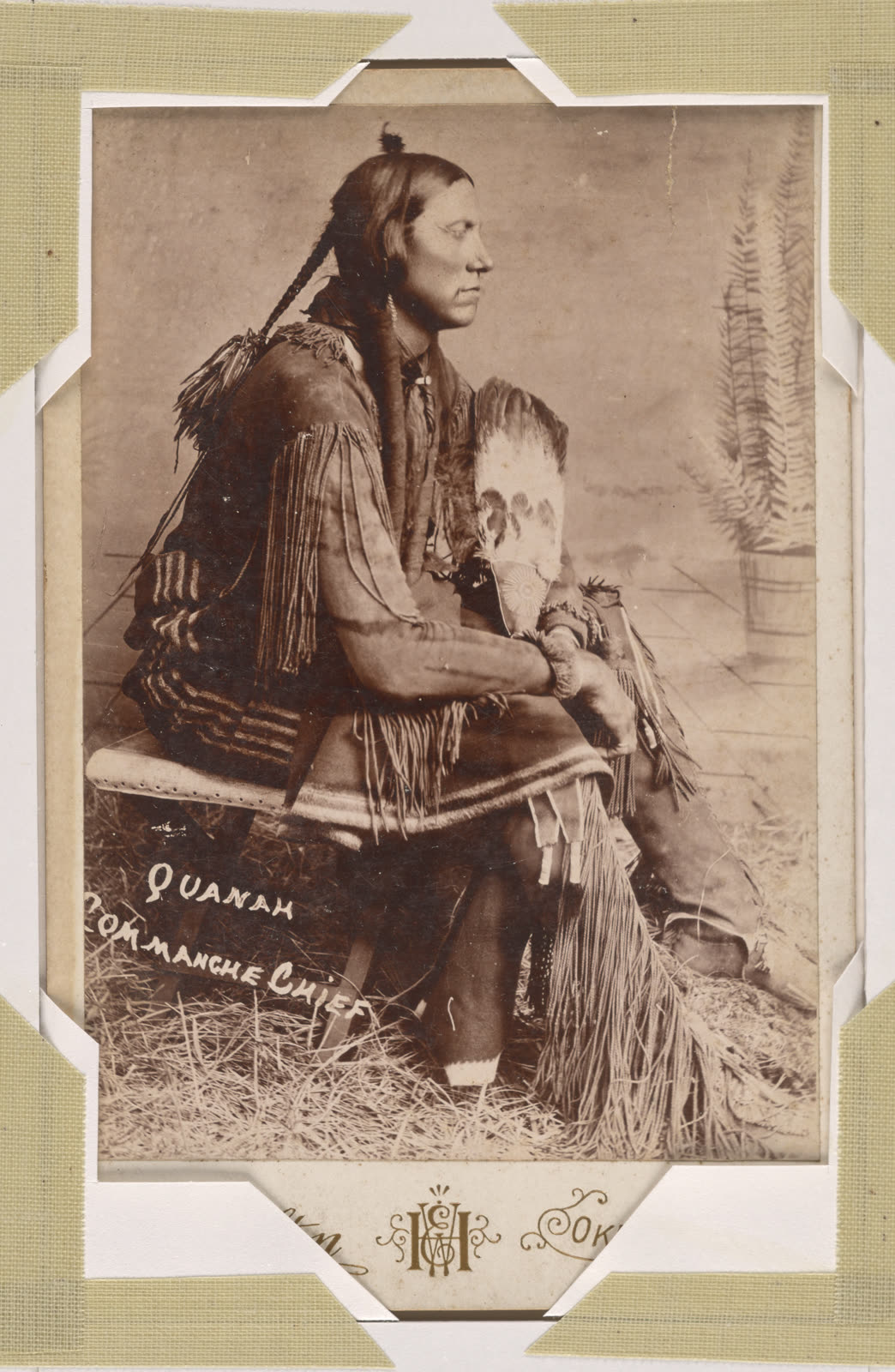
Who was Quanah Parker?
Quanah Parker was born around 1845 in Comanche territory — likely in the northern Texas or southern Oklahoma region — the son of Peta Nocona, chief of the Nokoni Comanche band, and Cynthia Ann Parker, the white captive raised Comanche who had been taken from Fort Parker in Limestone County in 1836.
He died on February 23, 1911, at his Star House near Cache, Oklahoma, at approximately age 66. He was buried alongside his mother at Post Oak Mission Cemetery near Cache; both were relocated in 1957 to Fort Sill Post Cemetery when the Post Oak Mission site was cleared for military expansion.
Quanah Parker occupies a distinctive position in American history: the last principal military leader of a major Plains nation’s resistance, who then rebuilt his people’s political and economic standing with remarkable pragmatism during the reservation era. His connection to Montague County is through the town of Nocona, Texas — named for his father — which makes MoCo’s place-name geography a permanent part of the Parker-Nocona family story.
What was Quanah’s early life?
Quanah was raised as Comanche with his siblings Pecos and Topsannah, trained in horsemanship, hunting, and the warrior traditions of the Nokoni band. At approximately age 15, in December 1860, Sul Ross’s Texas Rangers attacked the Nokoni camp on the Pease River. His mother Cynthia Ann and his infant sister Topsannah were captured. Quanah escaped.
He never saw his mother again. Topsannah died of disease in 1864 in Anglo-Texan custody. Cynthia Ann died in March 1871. His father Peta Nocona died around the same period — the precise date and circumstances are disputed in the historical record; see Peta Nocona for the full accounting of the Pease River question.
Orphaned of both parents and having lost his sister, Quanah left the Nokoni band and joined the Quahadi (“Antelope Eaters”) — the most westerly and most militarily resistant of the Comanche bands. Under Quahadi leadership, he rose through the warrior ranks through the 1860s and early 1870s.
What was Quanah’s role in the Red River War?
By the early 1870s, Quanah was one of the most prominent Quahadi war leaders. In June 1874, he participated in the Battle of Adobe Walls — a Quahadi-led attack on a buffalo-hunter outpost in the Texas Panhandle that was a tactical defeat but cemented his leadership reputation.
The Red River War of 1874 was the US Army’s final coordinated campaign to force remaining Southern Plains peoples onto reservations. General Ranald Mackenzie’s destruction of the Comanche horse herds and supplies at Palo Duro Canyon in September 1874 delivered a decisive logistical blow. With the buffalo herds already being destroyed by commercial hunters and their horses gone, organized Quahadi resistance became impossible.
In June 1875, Quanah and the last Quahadi band surrendered at Fort Sill. He was approximately 30 years old.
How did Quanah Parker lead during the reservation era?
What followed Quanah’s surrender was one of the most remarkable transitions in 19th-century American life. He did not withdraw from leadership; he rebuilt it within the new conditions. He learned English and Anglo-Texan customs. He became the Principal Chief of the Comanche Nation, negotiating with US officials, ranchers, and the federal government on behalf of his people. He took up cattle ranching, built up a substantial herd, and leased Comanche reservation grazing land to Anglo cattlemen — generating income for the tribe and for himself.
He built a large multi-room house — the “Star House,” named for its Texas-flag-themed roof — four miles northwest of Cache, Oklahoma. He befriended prominent figures including President Theodore Roosevelt, who visited him. He became a widely known public figure, occasionally participating in Wild West shows and major public events.
Quanah was also instrumental in the development of the Native American Church — a peyote-based religious tradition that combined elements of Christianity with Indigenous spiritual practice and spread to other Plains tribes. His role in its founding and early development was foundational; the church continues today as a major Indigenous religious institution.
How did Quanah reconnect with his mother’s family?
After his surrender, Quanah took the Parker surname as part of his public identity — a deliberate acknowledgment of his Anglo-Texan heritage alongside his Comanche identity. He searched for his mother and sister and learned they had both died. He recovered Cynthia Ann Parker’s remains from east Texas and reburied them near Cache, Oklahoma. After his own death in 1911, both mother and son were relocated in 1957 to Fort Sill Post Cemetery — a final reunion in burial that was impossible in life.
What is Quanah Parker’s connection to Montague County?
Quanah’s connection to Montague County is through his father’s name embedded in the county’s geography. The town of Nocona, Texas, established in 1887 by D.C. Jordan, was named for Peta Nocona — meaning that the Parker-Nocona family story is written into MoCo’s place names in a way that remains visible today. The Nokoni band’s territory included the Red River country and northern Texas plains that overlap with Montague County’s frontier zone.
Cynthia Ann Parker and Peta Nocona are the two figures most directly connected to MoCo through residence and territorial range. The broader Comanche history of the region — including the alliances and frontier-era conflict that shaped settlement — is covered in Comanche and Kiowa.
This article draws on the TSHA Handbook of Texas (“Quanah Parker” entry), the US National Park Service “Quanah Parker” profile, the Encyclopedia of Oklahoma History, and published secondary sources (Hagan, Gwynne, Neeley, Hämäläinen). All claims about Quanah’s leadership, military decisions, and reservation-era activities derive from Anglo-Texan, US government, and academic sources unless otherwise noted. Tribal consultation pending — the Comanche Nation holds authoritative oral history and Quahadi band accounts of Quanah’s leadership not yet incorporated here.
See People Hub for other Montague County biographical entries.