HISTORY

Modern Era

Twentieth-century Montague County: Route 82, the Lake Nocona impoundment, the Nokona glove factory, county government, and what remains today.

Modern Montague County history runs from the agricultural consolidation of the 1920s through two world wars, the mid-century highway era, and into the present wind-energy and commuter-county economy. Population peaked around 1930 and has declined in most decades since.

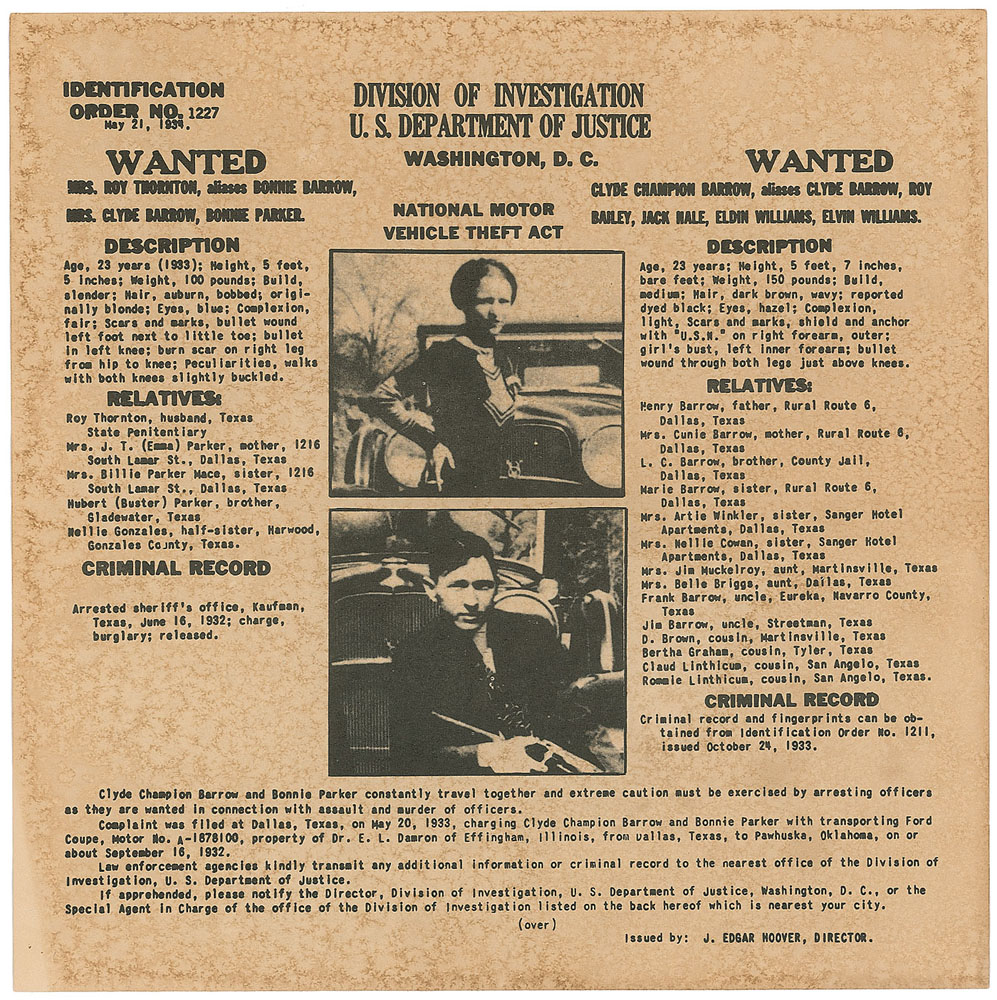
FBI wanted poster for Bonnie Parker and Clyde Barrow, issued May 1934 during their Texas outlaw years
Modern Era

Bank Robberies and Outlaws in Montague County

Montague County sat at the edge of the Texas outlaw corridor during the lawless decades from 1865 to 1935. Sam Bass, the Doolin gang, Bonnie and Clyde, and local cattle thieves all operated in or near the county — but popular mythology has outpaced the documented record. A hard look at what the sources actually confirm.

Read article →
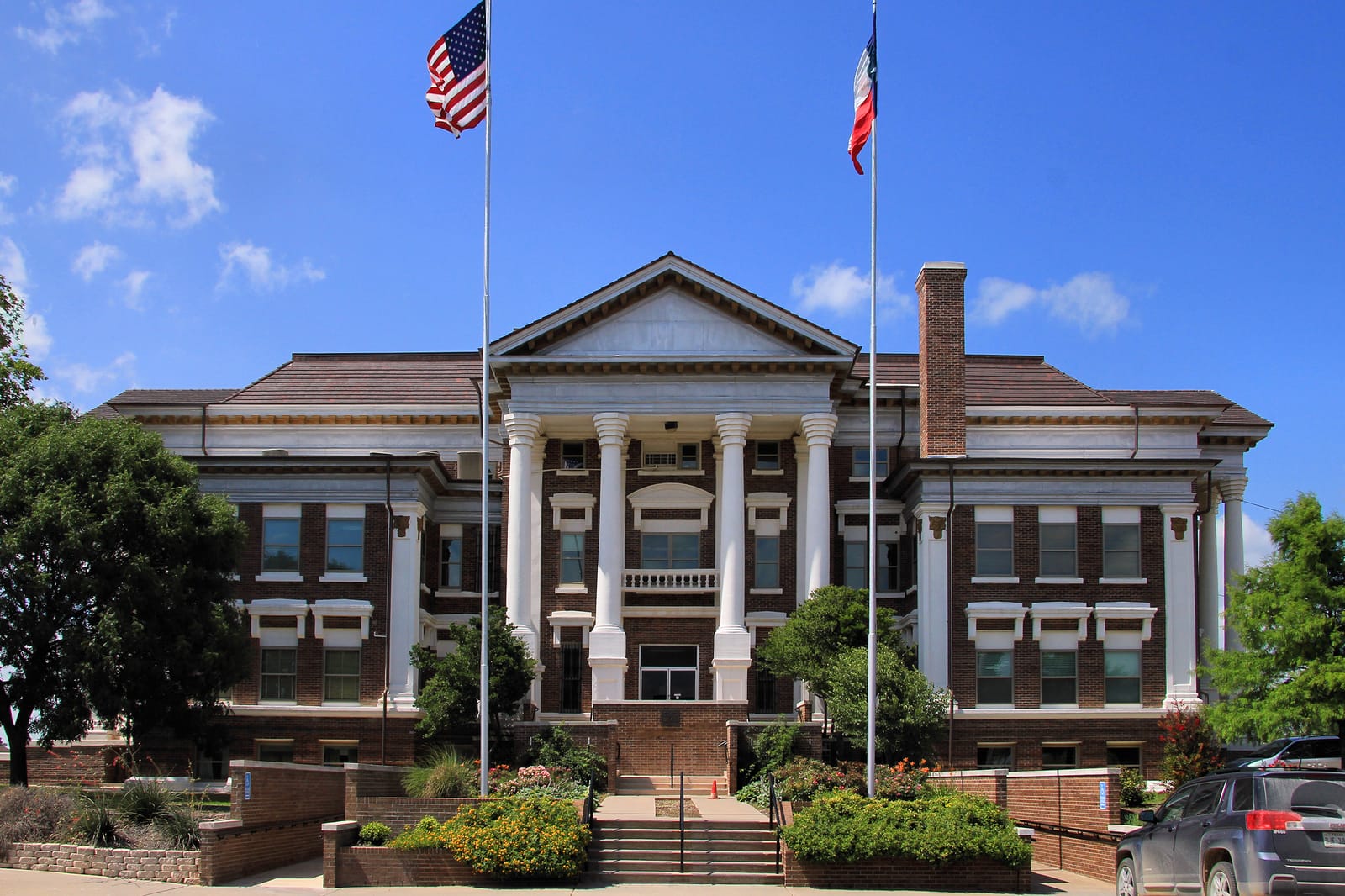
Montague County Courthouse, 1913 Classical Revival building, seat of county government in Montague, Texas
Modern Era

County Government Today: How Montague County Works

Montague County operates as a standard Texas county under Commissioners Court structure, with a County Judge, four Commissioners, and a full suite of elected and appointed officials serving roughly 20,000 residents from the 1913 Classical Revival courthouse in Montague. A practical guide to who does what and how rural Texas county government functions.

Read article →
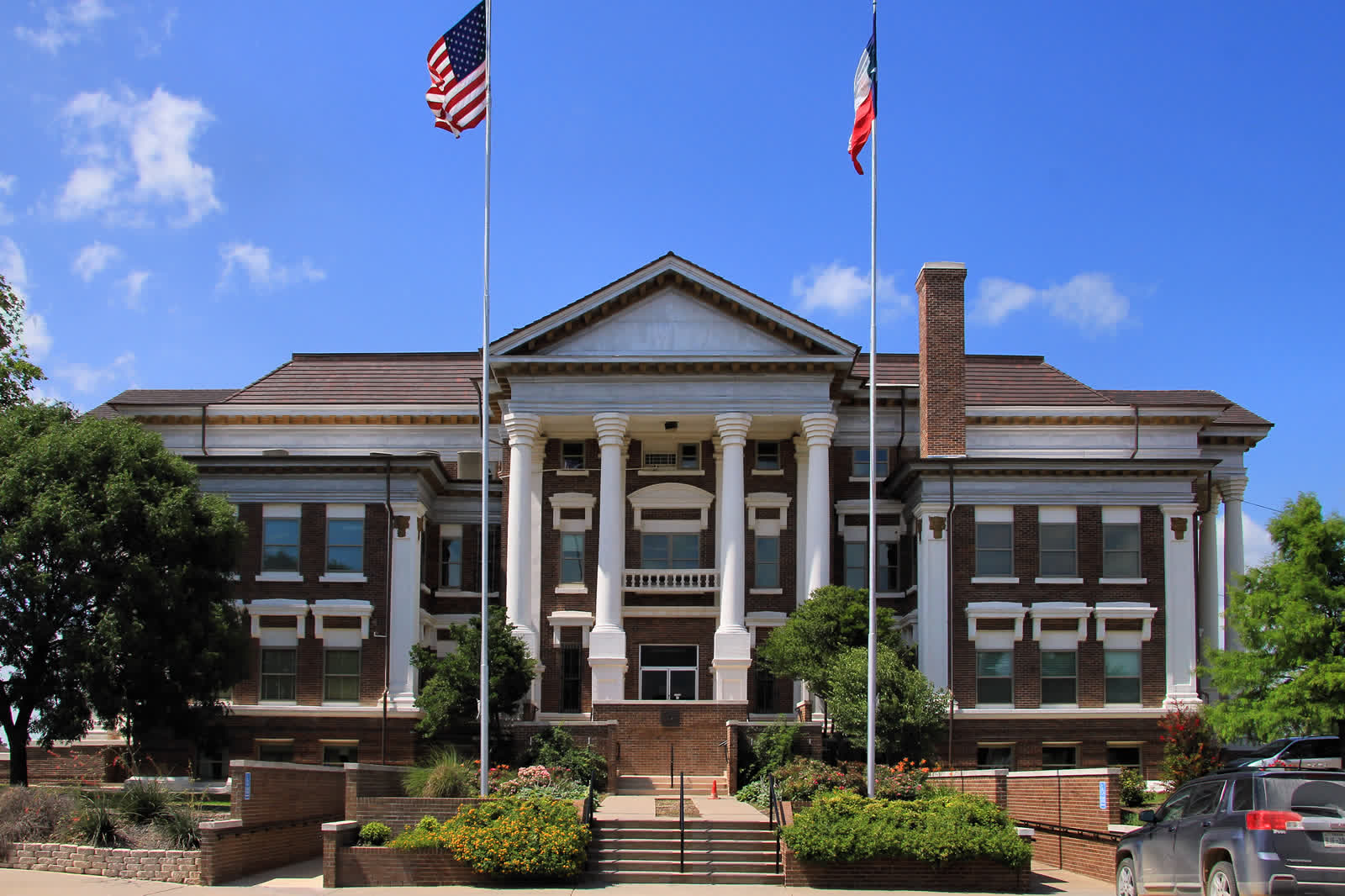
Montague County Courthouse, the 1913 Classical Revival building by architect George Burnett — the sixth courthouse in the county's sequence and the current seat of government
Modern Era

Courthouse History: Five Buildings in Sixty-Five Years

Montague County has had six courthouse buildings since its organization in 1858 — two of them burned, one damaged by tornadoes, and the current 1913 Classical Revival structure now more than 110 years old. The courthouse arc traces the county's full trajectory from log-cabin frontier to cotton-era civic confidence, with the small county seat of Montague holding its seat against the larger ambitions of Bowie.

Read article →
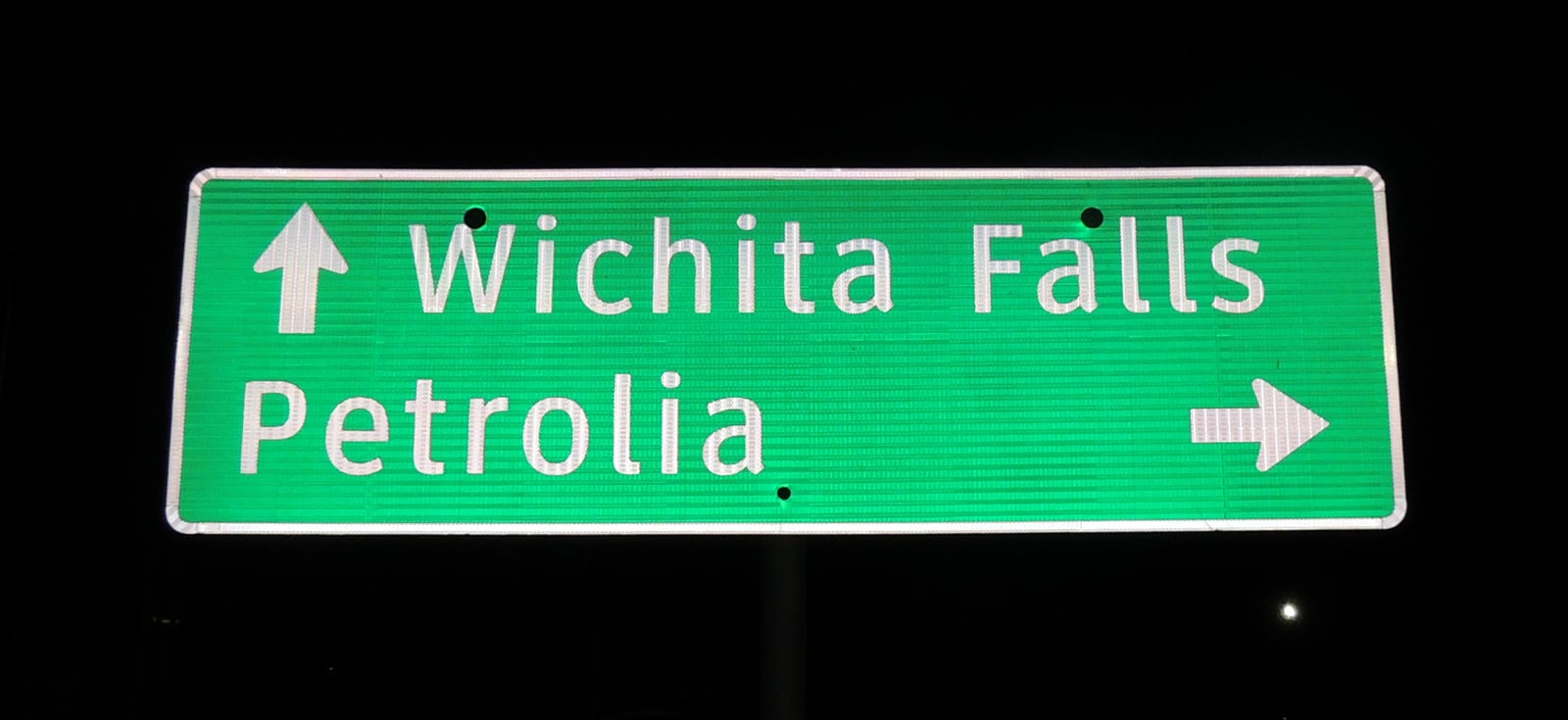
US Route 82 junction road sign at Petrolia and Wichita Falls, north Texas highway corridor
Modern Era

Highway Corridors of Montague County

Three federal highways form the backbone of Montague County's modern transportation network — US-287 north-south, US-82 east-west, US-81 along the eastern edge. The interstate system bypassed MoCo entirely, a fact with long-term economic consequences that shaped the county's character as much as any road that was actually built.

Read article →
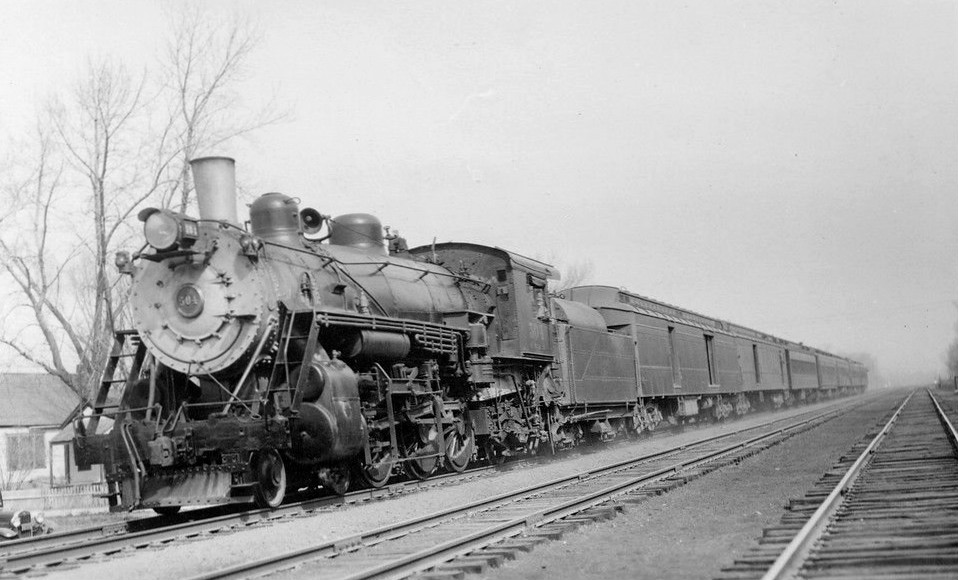
Fort Worth and Denver Gulf Coast Special steam locomotive No. 504 in motion, north Texas, 1935
Modern Era

Lost Railroads of Montague County

The railroads that built Montague County's 19th-century economy mostly no longer operate. The Fort Worth and Denver Railway arrived in 1882, the Rock Island came in 1893, and together they created the cotton boom and founded multiple towns. Then came the abandonment era: the Rock Island bankrupt by 1980, track pulled, depots demolished, right-of-way returned to grass. What remains is a landscape shaped by lines that are gone.

Read article →
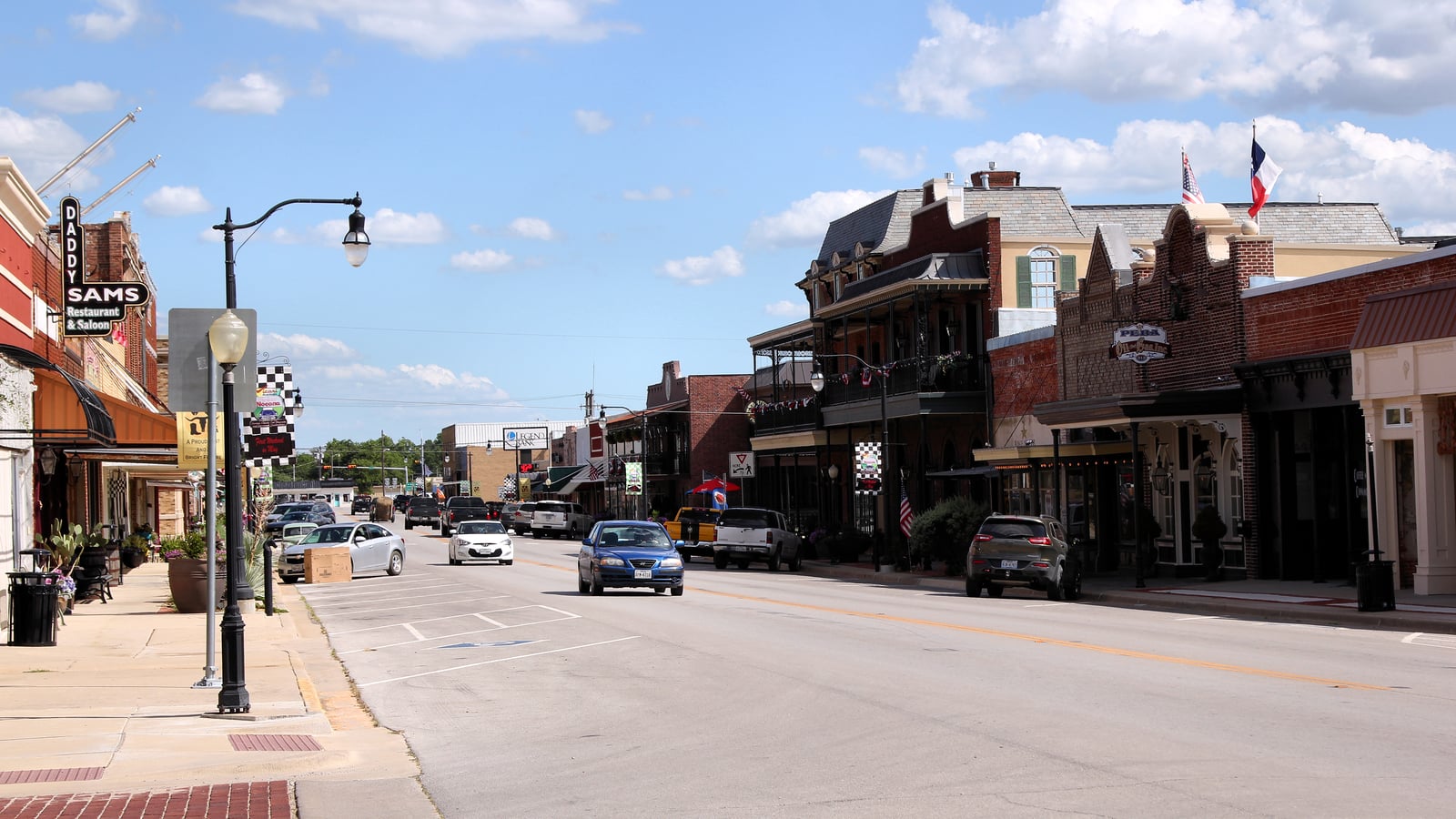
Downtown Nocona, Texas, Clay Street, 2018 — hometown of the Nokona baseball glove company since 1926
Modern Era

Nokona Glove Company: A Century of American Manufacturing in Montague County

The Nokona Glove Company of Nocona, Texas, is one of the last domestic baseball glove manufacturers in the United States — born from Montague County's leather-craft ecosystem, transformed by a 1942 wartime contract, and still producing handmade gloves today.

Read article →
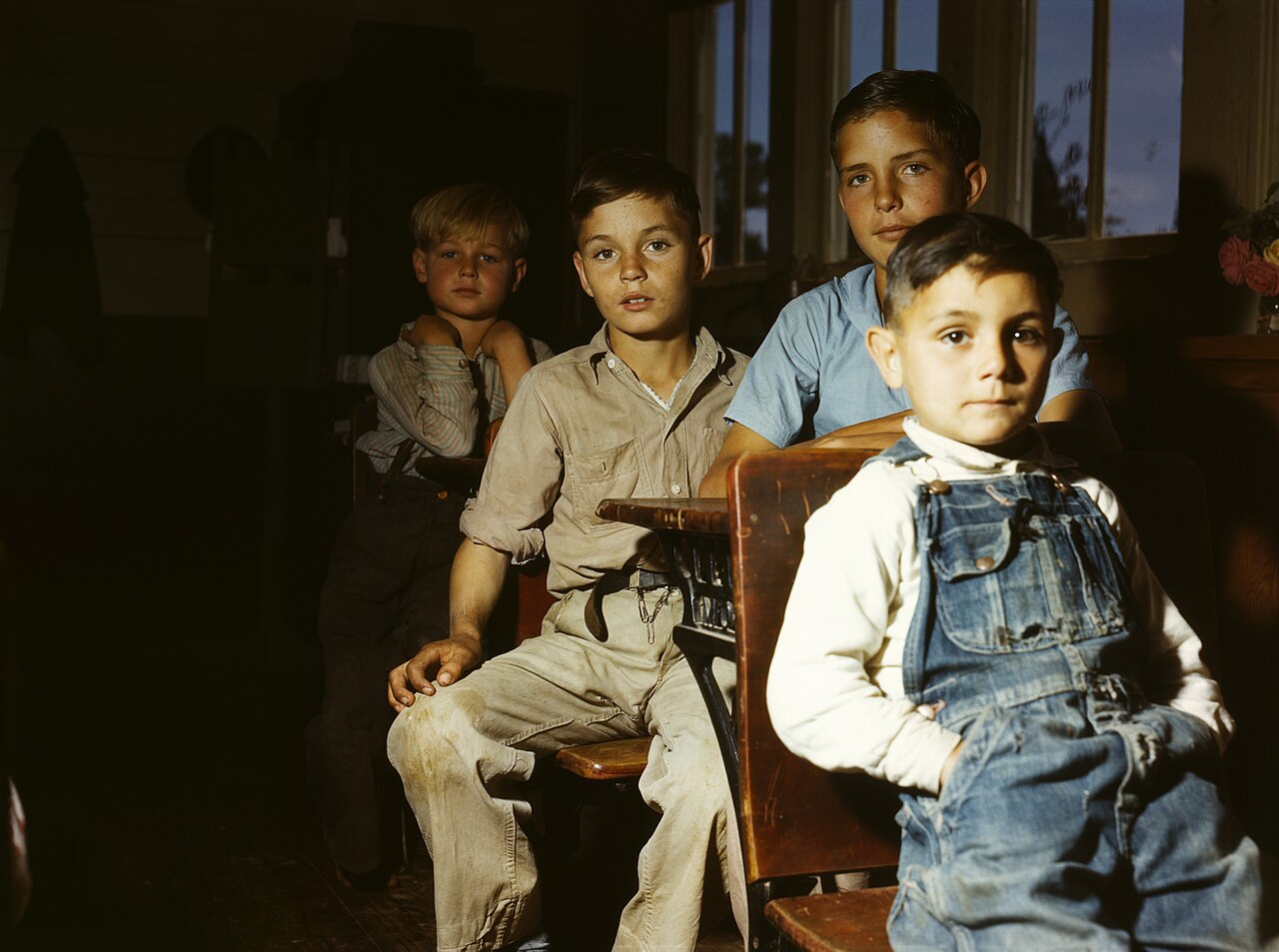
Rural Texas school children, San Augustine County, 1943 — FSA photograph documenting one-room schoolhouse era
Modern Era

One-Room Schoolhouses of Montague County

From the county's first school near Forestburg in 1858 through mid-20th-century consolidation, dozens of one-room schoolhouses formed the educational backbone of rural Montague County — community institutions as much as classrooms.

Read article →
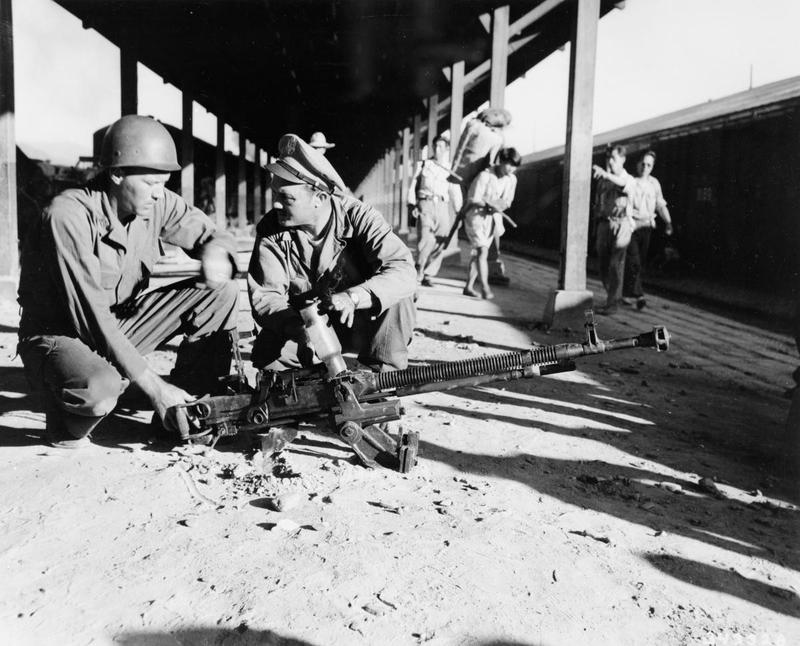
Two American soldiers examine a captured Soviet DShK machine gun near Chunju, Korea, 1950–1953
Modern Era

Korea, Vietnam, and the Cold War in Montague County

From Korea through Vietnam and the Cold War, Montague County veterans served in every major American conflict of the mid-20th century while the home county stabilized economically and began its slow demographic shift from cotton and cattle toward the modern economy.

Read article →
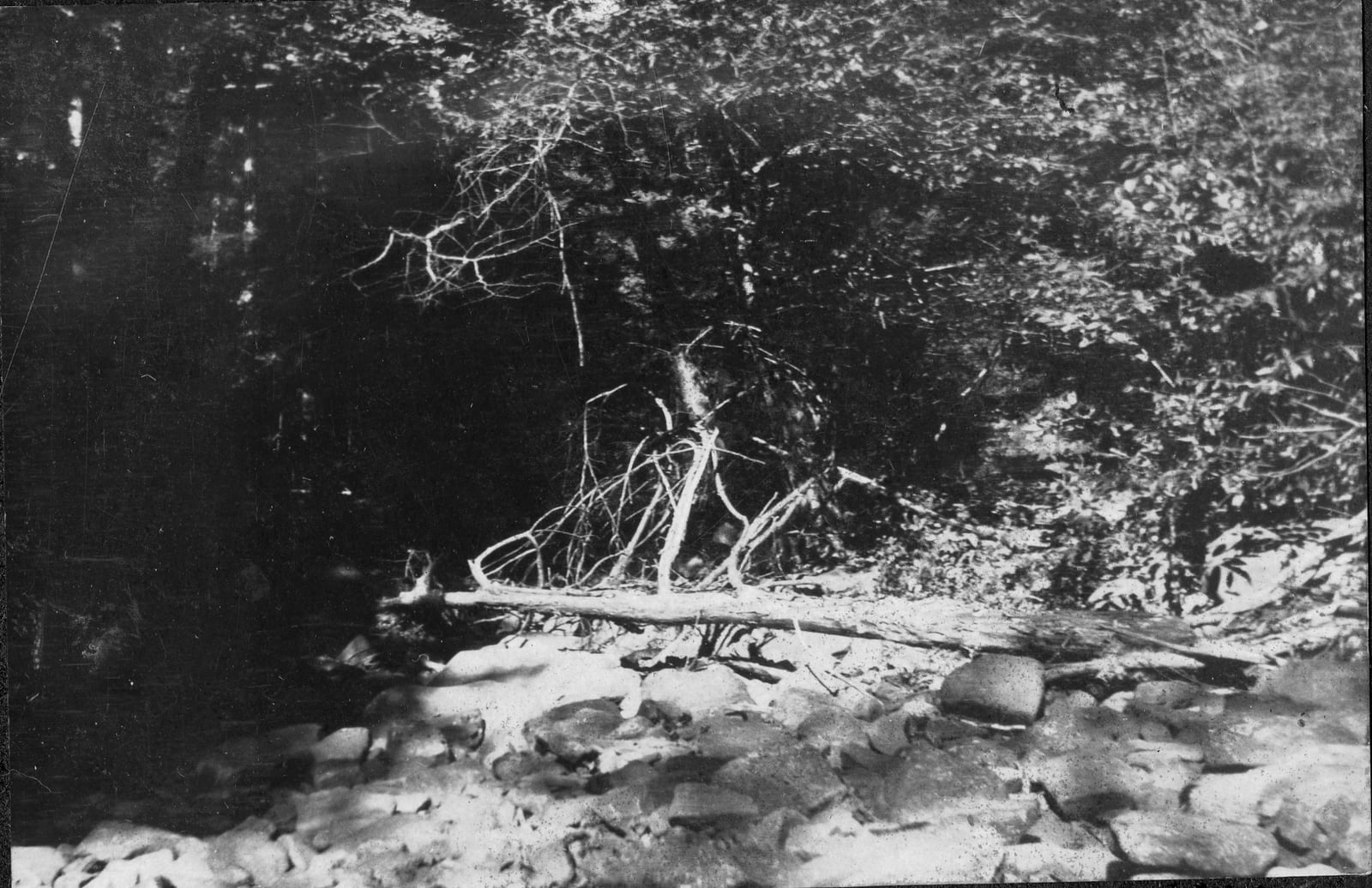
Moonshine still concealed in a West Virginia creek bottom, 1921 — the same hidden-still terrain used in Montague County's Cross Timbers draws during Prohibition
Modern Era

Prohibition and Moonshine in Montague County

Montague County was dry before national Prohibition, dry through it, and largely dry after. The result was a century-long tradition of bootlegging, hidden stills in cedar-choked creek bottoms, and a community memory that treats the moonshiner as a practical man rather than a criminal.

Read article →
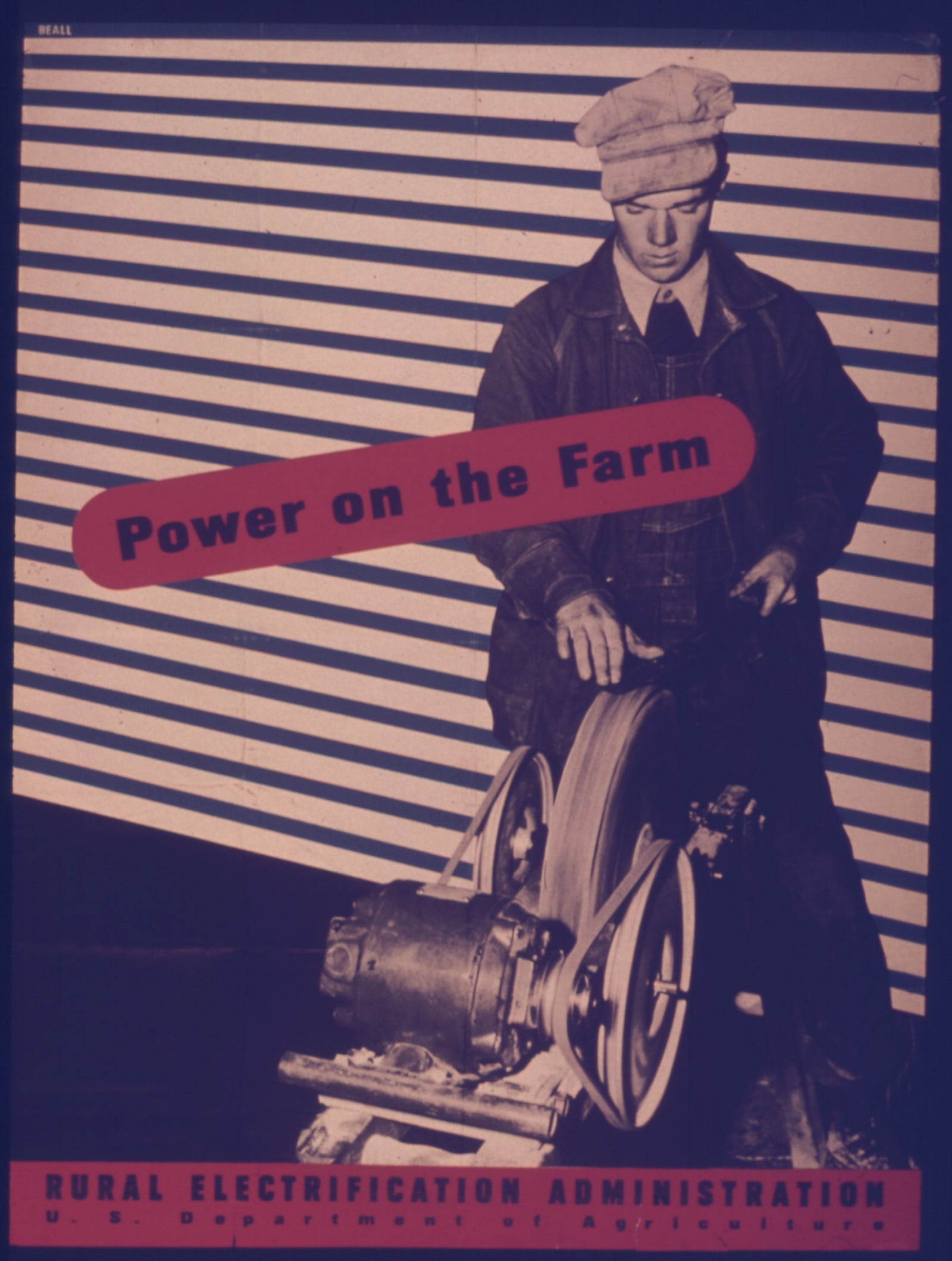
POWER ON THE FARM — Rural Electrification Administration poster by Lester Beall, WWII era, 1943–1945
Modern Era

Rural Electrification in Montague County (1935–1950s)

Before the Rural Electrification Administration reached Montague County in the late 1930s and 1940s, rural farmsteads ran on kerosene, muscle, and windmills. The co-op lines that arrived changed everything — and the member-owned cooperatives built in that era are still running today.

Read article →
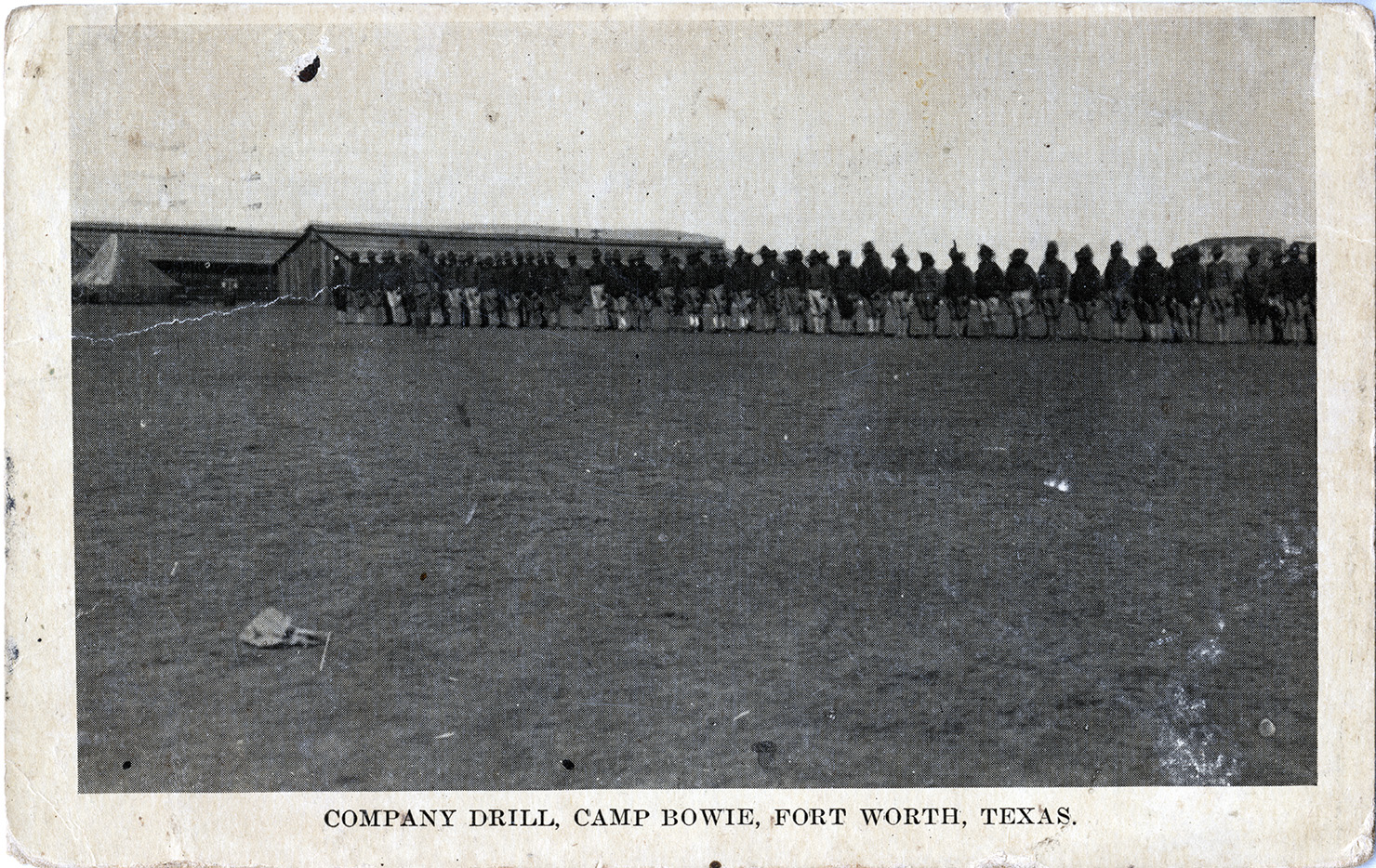
Company drill at Camp Bowie, Fort Worth, Texas, 1918 — where Montague County WWI draftees trained before deployment
Modern Era

WWI Service and Home Front in Montague County (1917–1918)

When the United States entered World War I in April 1917, Montague County men registered under the Selective Service Act, trained at Camp Bowie in Fort Worth, and deployed to France. At home, Liberty Bond drives, Red Cross chapters, and the Food Administration mobilized a county already reeling from boll weevil damage and post-cotton economic decline.

Read article →
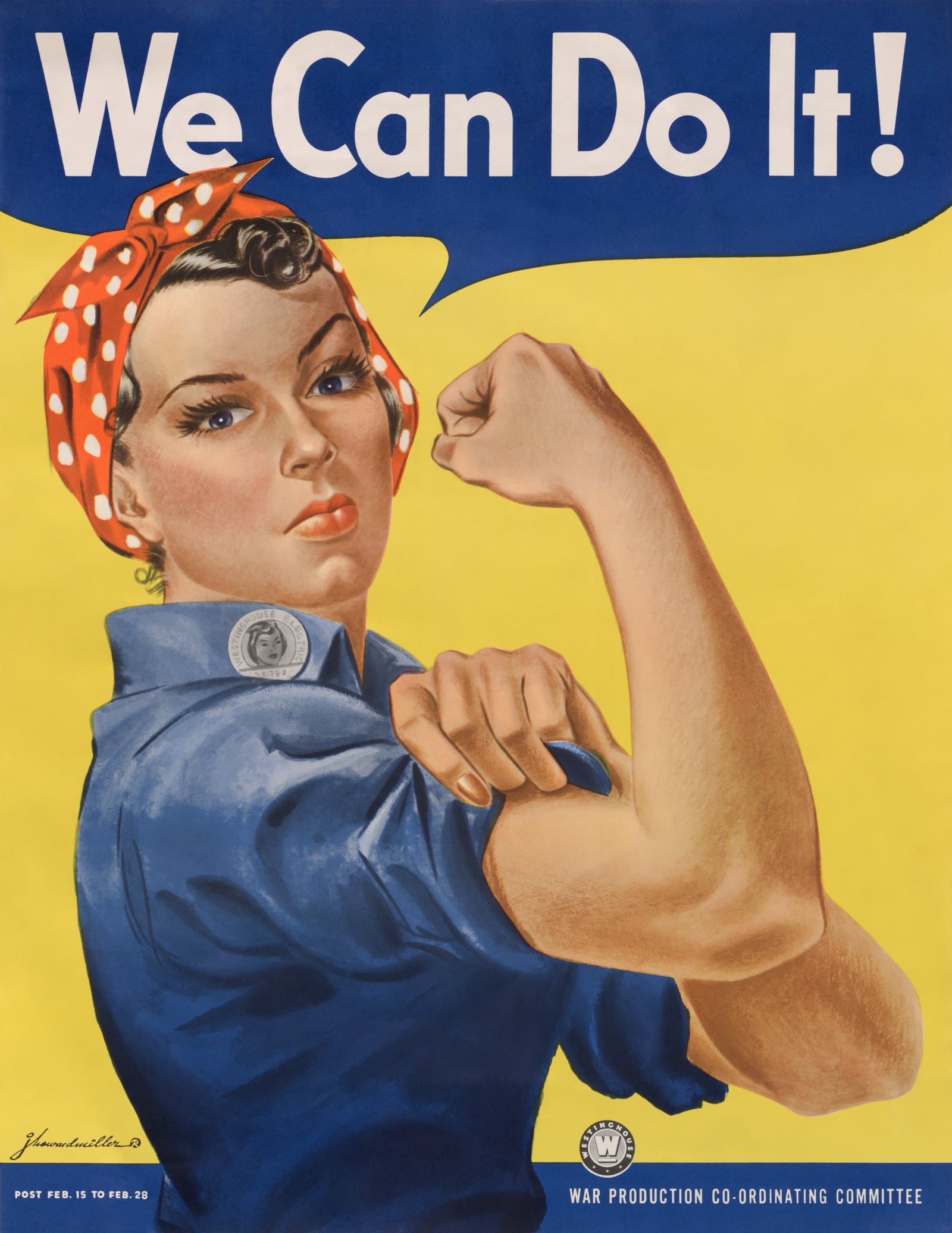
We Can Do It! WWII home-front poster by J. Howard Miller for the War Production Co-ordinating Committee, 1943
Modern Era

WWII Service and Home Front in Montague County (1941–1945)

World War II was Montague County's largest mobilization. Thousands of MoCo men served across every theater of the war. At home, the Nokona Glove Company converted its leather shop to produce 1,000 gloves a day for American servicemen — the county's most specific documented contribution to the wartime industrial effort.

Read article →